
Understanding Sustainable Coffee Sourcing
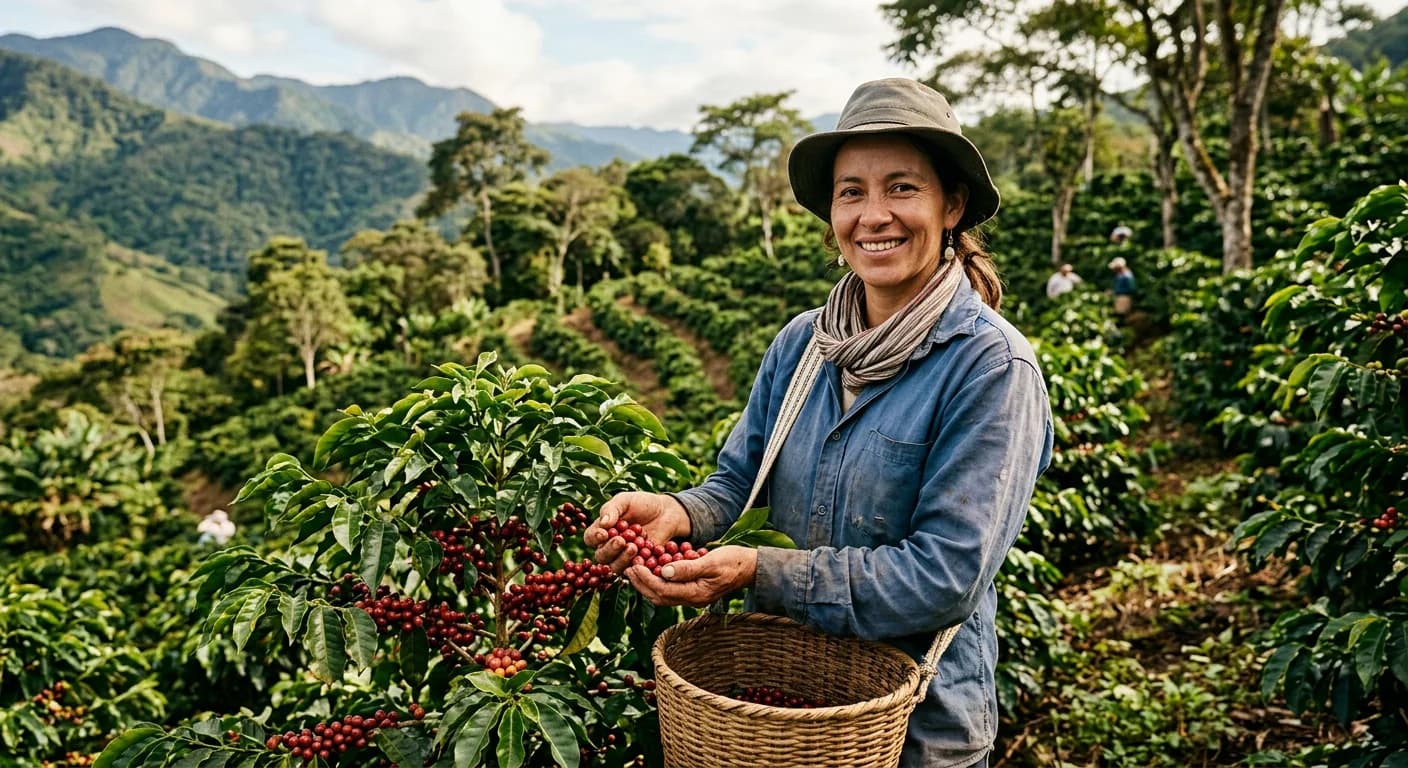
That first sip does more than wake you up; it carries a whole journey from hillside farms to your mug. If you have ever wondered who grows your beans, how they are paid, and what happens to the forests around them, you are ready to explore sustainable coffee sourcing. We will keep it simple, no jargon, just clear answers.
In this beginner friendly analysis, we will unpack the coffee supply chain, farmer livelihoods and prices, shade growing, water use, and carbon footprint. You will learn the pillars of sustainability, environmental, social, and economic, and how they show up in real buying decisions. We will compare certifications like Fairtrade, Organic, and Rainforest Alliance, and explain direct trade. We will look at the costs and benefits behind each approach, including traceability and the risk of greenwashing. By the end, you will know how to read labels, spot credible claims, and choose beans that match your values and budget, plus a few easy ways to start today, at home or at your favorite cafe.
The Current State of Coffee Sourcing
Arabica demand is rising
Arabica is growing fast. In 2025 it held about 61.3 percent of the global market, with a 5.3 percent annual growth rate projected through 2034 toward 299.2 billion dollars, per the Arabica coffee market outlook. Demand for premium cups, from specialty to single origin, is driving it. East Africa anchors supply. Ethiopia produced about 10.6 million 60 kilo bags in 2024 to 2025, and Uganda shipped 7.17 million bags worth nearly 2 billion dollars. Kenya is digitizing auctions, and Tanzania plans big output gains, noted in global coffee market trends in 2025.
Sustainability is reshaping sourcing
Sustainable coffee sourcing is moving to the center. New EU deforestation free rules start in late 2025 for many importers, so traceability is now basic. Countries are building national systems to help smallholders comply. Certified coffee is rising, with about 1.7 million tons Rainforest Alliance certified worldwide. Ethical direct sourcing is set to grow by 2026, and specialty processing is becoming mainstream. Buyers can ask for farm GPS points, pick shade grown or Bird Friendly lots, and pay quality premiums that reach farmers. This supports wildlife and steadier cup quality.
Why Sustainable Sourcing Matters
Climate and biodiversity
Climate change is squeezing where coffee can grow, which puts sustainable coffee sourcing in focus. Studies project up to a 50 percent drop in suitable land by 2050, with Arabica hit hardest. Biodiversity loss adds pressure as forests are cleared for farms. Shade grown agroforestry keeps trees, cools fields, and shelters wildlife. A meta analysis found agroforestry reduced yield loss by 31 percent, pests and disease by 24 percent, and quality loss by 19 percent global evidence on agroforestry and climate risks. Conventional systems drive heavy species loss in coffee regions study on species loss in coffee production.
Shifting consumer demand and quality gains
Consumer demand for ethically sourced coffee keeps rising. Over 65 percent of drinkers say they will pay more for certified options. The organic coffee market could reach about 30 billion dollars by 2033, with strong growth from 2026. These choices push farms toward shade grown and regenerative practices. That care shows in the cup, with cleaner flavors and fewer defects. Ask for traceable lots, clear farm stories, and proof of environmental standards.
Transparency and Trust in Coffee Industry
Origin transparency helps people choose coffee that fits their values. Research notes that 65 percent of consumers favor brands with strong environmental practices, and they look for farm names, regions, and processing details on the bag. That pushes sustainable coffee sourcing forward. Smart packaging helps too. Scannable tools like QR codes and digital product passports let buyers see origin, payments, and freshness. Among younger shoppers, 72 percent prefer brands that give this level of detail. See the evidence in this overview of single origin and transparency and in packaging trends for 2026.
Transparency also keeps promises real. A review finds blockchain can cut information gaps and improve verified traceability across the chain, which supports better social and environmental outcomes. Read the blockchain traceability review. Trust then drives loyalty. Certified volumes are rising, with 1.7 million tons carrying Rainforest Alliance certification worldwide. Practical moves build trust fast, like posting farm lists, lot IDs, roast dates, and impact reports for donations to groups such as WWF.
The Role of Specialty Coffee Brands
Specialty coffee brands play a key role in sustainable coffee sourcing. Many set clear standards, pay fairly, and publish results. For example, Intelligentsia uses direct trade and transparent pricing, which improves farmer income and quality, as profiled by Polaris Market Research. Stumptown documents long term producer ties and sourcing standards, another model for open reporting and accountability, covered by Wanderlust Specialty Coffee. Global signals support this shift. Rainforest Alliance counts 1.7 million tons of certified coffee, and Bird Friendly farms protect habitat for migratory birds. For a practical checklist, look for shade grown systems, credible seals, and public price or impact reports. Diving Moose Coffee connects quality and impact. We source 100 percent specialty grade Arabica from the top 3 percent of beans, roast in small batches in Georgia, and ship within 48 hours. A portion of every sale supports WWF, so each cup backs wildlife and healthier landscapes.
Economic Impact of Sustainable Coffee Practices
How sustainable sourcing lifts farmer income
Sustainable coffee sourcing can raise yields and pay. In Kenya, ecological methods improved per tree output across three harvests, with evidence from smallholder systems in Kenya. During 2024 to 2025, eco plots produced 1.12 kilograms more coffee per tree than conventional fields. That edge means more income and less disease risk for smallholders. Certifications also help. In Ethiopia, farmers using voluntary standards gained better market access and price premiums, despite higher costs, as shown in research on Ethiopian coffee farmers.
Local economy gains and long term returns
Ethical practices also lift local economies. A 2025 analysis found that shifting to regenerative coffee could raise smallholder incomes by 62 percent and increase exports by 30 percent, while cutting 3.5 million tons of CO2e each year, based on TechnoServe findings. This creates stability for towns that depend on coffee jobs and services. For buyers, a few steps speed impact. Pay quality premiums, sign multi year contracts, fund training and pre harvest finance, and back shade grown agroforestry. These moves improve farmer cash flow and reduce climate risk, which protects long term supply and profit for everyone.
Key Takeaways and Implications
Sustainable coffee sourcing links quality with ethics. Shade grown systems keep soil cooler, protect water, and shelter wildlife, which supports slower cherry ripening and sweeter cups. Bird Friendly farms and Rainforest Alliance programs show real scale, with 1.7 million tons certified and strong support for migratory birds. Specialty processing is moving mainstream by 2026, and demand for ethical, direct relationships is rising, which shifts prices toward quality.
Diving Moose Coffee fits this shift. We buy specialty grade Arabica from the top three percent, roast in small batches, ship fresh within 48 hours, and give to WWF. That ties flavor to conservation in a simple way. Actionable moves for shoppers. Look for clear origins, recent roast dates, and credible eco labels such as Bird Friendly and Rainforest Alliance. Expect more brands to adopt agroforestry and transparency as consumers reward traceable, wildlife friendly coffee.
Conclusion
Sustainable coffee is about clarity, care, and choices you can trust. You now know the journey from farm to cup, the three pillars of sustainability, and what they mean for forests, water, carbon, and farmer pay. You can compare labels like Fairtrade, Organic, and Rainforest Alliance, understand direct trade, and spot greenwashing by looking for traceability and clear proof.
Your next step is simple. Pick one action this week. Read the label, check the roaster's sourcing page, ask how farmers are paid, then choose beans that fit your values and budget. Brew with less energy, use a reusable filter, and compost your grounds.
Every purchase is a vote for better coffee. Start today, share what you learn, and let your daily cup support people and planet.
Dennis Laube is the founder of Diving Moose Coffee, a specialty coffee roastery in Peachtree City, Georgia. Every coffee he writes about is roasted on demand on the company's own Ambex roaster and shipped within 48 hours.