
Why Does My Coffee Taste Sour or Bitter? Fixing Under-Extraction and Over-Extraction
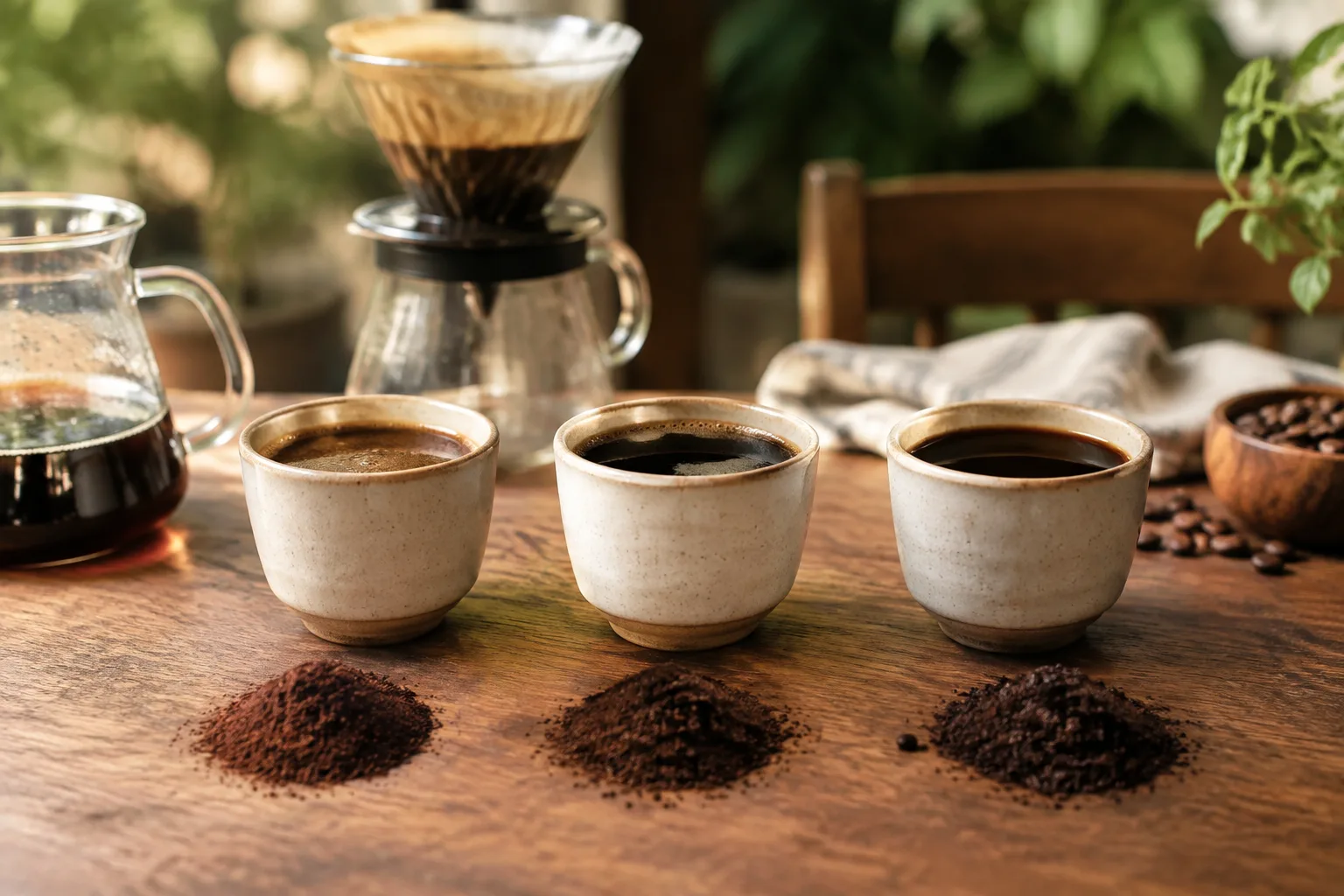
Sour coffee and bitter coffee usually come from the same cause, which is extraction. Too little gets pulled from the grounds and the cup tastes sharp. Too much gets pulled and it tastes harsh. The fix is often one small change to your grind, time, or water.
What extraction means
When hot water touches ground coffee, it dissolves flavor compounds. Acids come out first, then sugars, then the heavier bitter compounds near the end. A good cup stops somewhere in the middle.
If you stop too early, you taste mostly acid. If you go too long, you taste mostly the bitter stuff. Your job is to hit the balance between them.
Signs of under-extraction
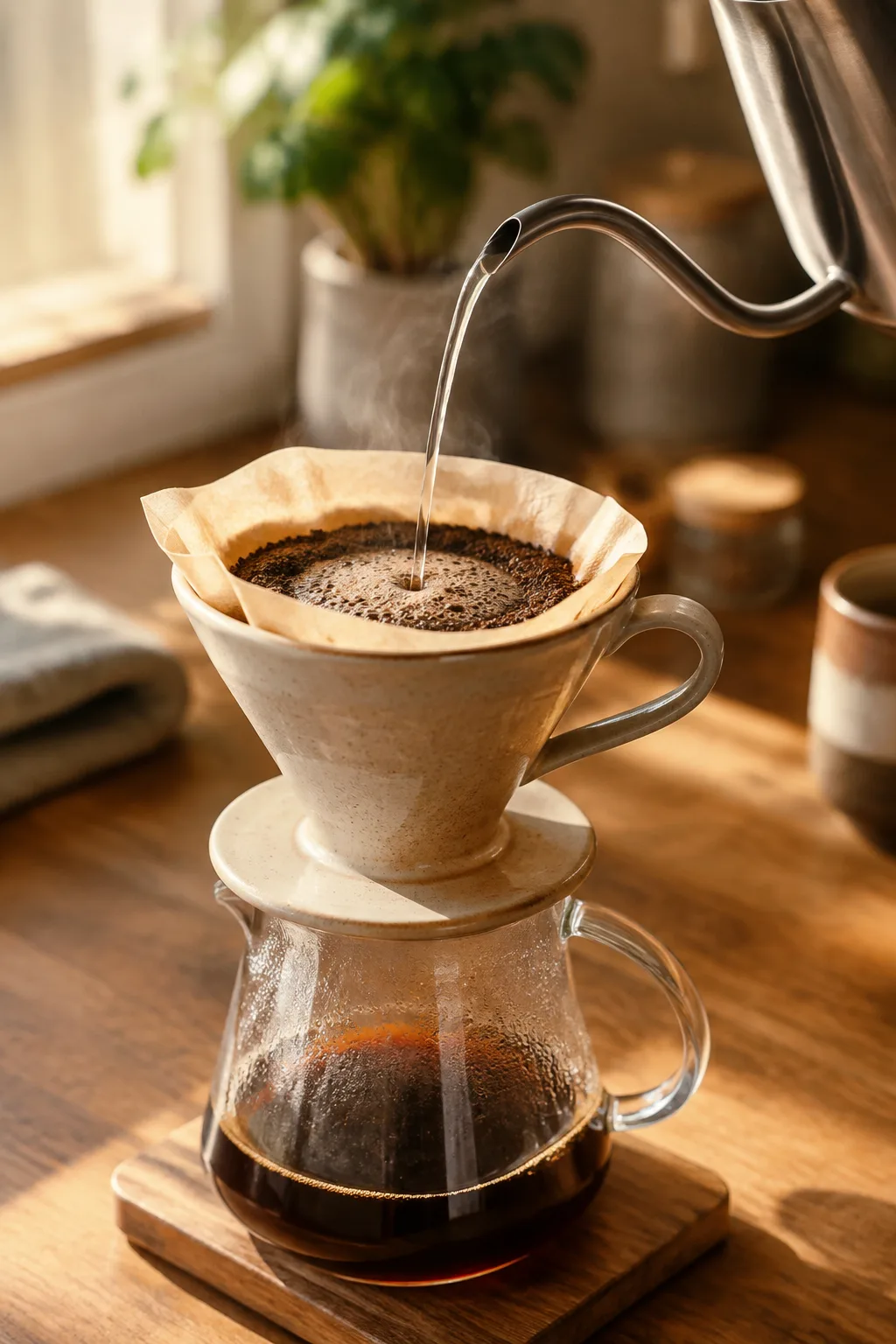
Under-extracted coffee tastes sour, sharp, or salty. It can also feel thin and watery, with little sweetness. Some people say it tastes like lemon juice or unripe fruit, and the finish disappears fast.
Common causes are a grind that is too coarse, a brew that is too short, or water that is too cool. Using too little coffee for the amount of water can do it too.
Signs of over-extraction
Over-extracted coffee tastes bitter, dry, and a little ashy. It can leave a chalky feeling on your tongue. The flavors feel flat and the aftertaste lingers longer than you want.
Common causes are a grind that is too fine, a brew that runs too long, or water that is too hot. Letting grounds sit in water after the brew is done adds to it.
Quick comparison
| Problem | Taste | Likely cause | Try this |
|---|---|---|---|
| Under-extracted | Sour, thin, salty | Grind too coarse, short brew, cool water | Grind finer, brew longer, raise water temperature |
| Over-extracted | Bitter, dry, harsh | Grind too fine, long brew, very hot water | Grind coarser, shorten brew, lower water temperature |
Change one variable at a time. If you adjust grind, time, and temperature together, you will not know which one fixed the cup. Take a quick note after each brew.
How to fix it, in order
Start with grind size. It has the biggest effect and is the easiest to change. Move one or two steps on your grinder, then taste again.
- Grind size. Finer for sour coffee, coarser for bitter coffee.
- Brew time. Add 15 to 30 seconds for sour. Cut the same amount for bitter.
- Water temperature. A common target is 195 to 205°F. If your coffee is bitter, let the kettle sit for a minute after it boils.
- Ratio. A starting point of about 1 part coffee to 16 parts water works for many methods. Use more coffee if the cup tastes weak and sour.
- Agitation. Stirring or pouring harder pulls out more. Go gentler if the cup is bitter.
Sour means stop too early. Bitter means you went too far.
Uneven grinds cause both at once
Sometimes a cup tastes sour and bitter in the same sip. That usually means the grounds are uneven. Small bits over-extract while big chunks under-extract.
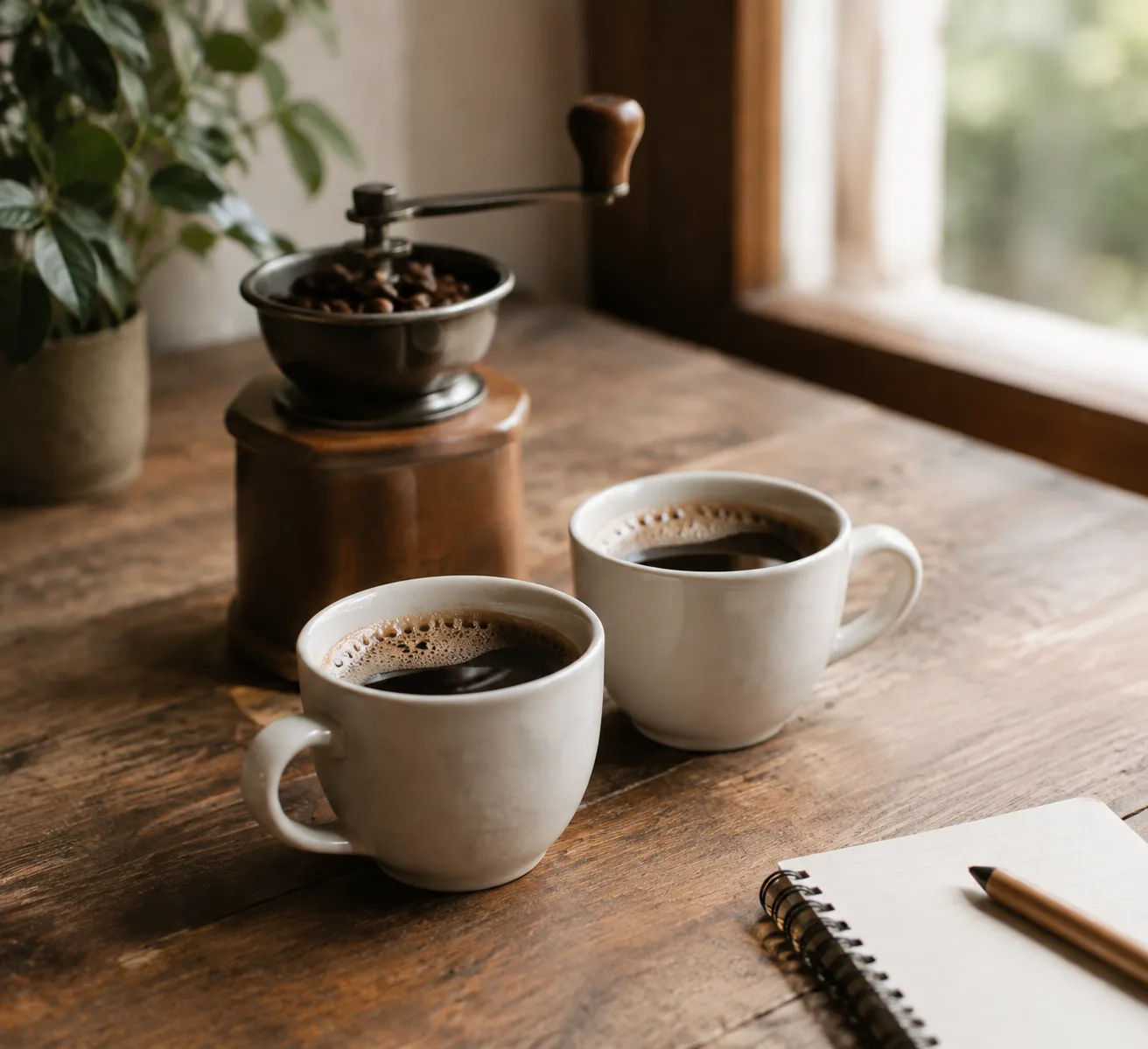
A burr grinder gives you more consistent pieces than a blade grinder. Water flow matters too. If water rushes through one path in a pour-over bed or an espresso puck, that part of the coffee is under-extracted while the rest gets too much. Level your coffee bed and pour evenly.
Not every bitter cup is a brewing error. Darker roasts have more roasty, bitter notes by nature, and very light roasts can taste sour even when brewed well. Match your recipe to the roast.
Check the beans and the gear
Stale coffee tastes flat and can seem bitter even with a perfect recipe. Buy whole beans, store them in a sealed container, and grind just before brewing. Rinse your brewer and grinder often, because old coffee oils turn rancid and add harsh flavors.
Water counts as well. Very hard water or heavily filtered water can change how coffee extracts. If your tap water tastes odd by itself, it will taste odd in your coffee.
Roast level changes what you are chasing. A medium roast sits between sharp and heavy, so it is often easier to dial in. The Fennec Fox is a medium roast blend of Central and South American coffees, which makes a good test coffee for a new recipe. If you prefer a deeper cup, The Diving Moose Signature Medium-Dark Roast Blend is a medium-dark option. Go a little coarser or cooler with it to keep bitterness down.
Your next step
Pick one brew method and one coffee. Brew it, taste it, and decide if it is sour or bitter. Then make one adjustment and brew again.
If you want to compare roasts without buying several full bags, the 4-Count Most Popular Sample Pack has four 4oz bags to practice with. You can also browse our most popular roasts. A portion of every purchase goes to wildlife conservation through our WWF partnership.