
Colombia, Ethiopia, or Kenya: Which Coffee Origin Matches Your Taste Profile?

Where a coffee comes from shapes everything in the cup. Colombia, Ethiopia, and Kenya are three of the most talked-about origins in specialty coffee, and for good reason. Each produces beans with a distinct character that suits a different kind of drinker.
Why origin matters
Coffee flavor is shaped by soil, altitude, rainfall, and processing method. These factors combine to produce what the specialty coffee world calls terroir, a term borrowed from wine. Two beans roasted to the same degree can taste completely different depending on where they were grown.
Colombia, Ethiopia, and Kenya are each grown at high altitude, which generally means denser beans with more developed sugars and brighter acidity. But the similarities mostly stop there.
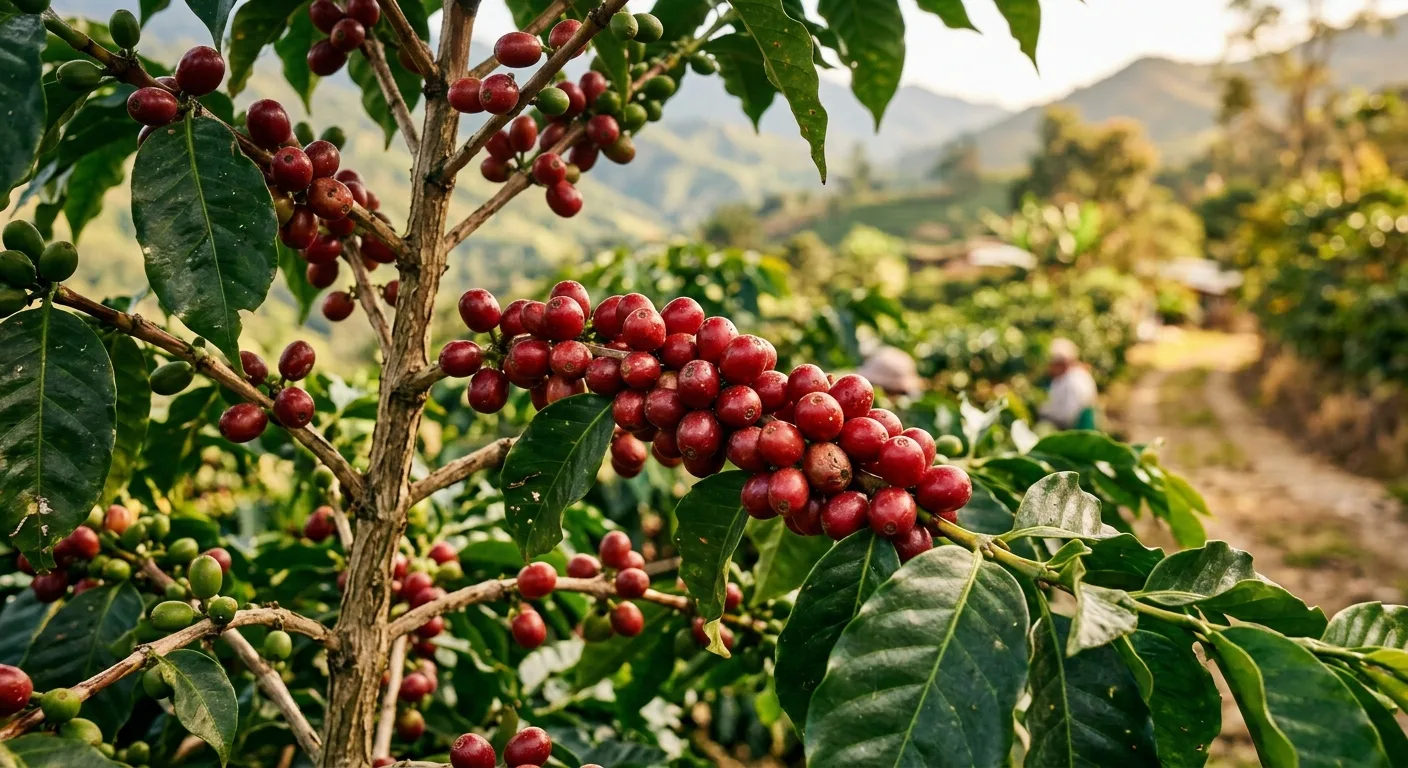
Colombian coffee: balanced and reliable
Colombia is one of the largest coffee producers in the world. Its geography, with mountains running through the center of the country, creates ideal growing conditions across many regions.
Colombian coffee is known for being smooth, balanced, and medium-bodied. You'll often find notes of caramel, mild citrus, red fruit, and light chocolate. The acidity is present but not sharp, which makes it an easy choice for people who want a satisfying cup without anything too intense.
It works well across roast levels. A medium-light roast keeps the brighter fruit notes alive. A medium-dark roast pulls out more chocolate and nut. If you're new to specialty coffee or you want a crowd-pleasing option, Colombian origin is a strong starting point.
If you want to try a Colombian single origin, The Condor from Diving Moose Coffee is an organic medium-light roast from the Sierra Nevada region. It's sourced as a single-origin coffee and roasted in small batches in Georgia.
Ethiopian coffee: floral, fruity, and complex
Ethiopia is widely considered the birthplace of coffee, and its beans reflect a long history of cultivation across diverse growing regions. Sidamo, Yirgacheffe, and Harrar each produce noticeably different cups.
In general, Ethiopian coffee skews toward bright, floral, and fruit-forward. Lighter roasts often show jasmine, bergamot, blueberry, and stone fruit. Natural-process Ethiopian beans can taste almost like a berry smoothie. Washed-process beans tend to be cleaner and more tea-like.
If you enjoy light roasts and like a cup that feels delicate and complex, Ethiopian coffee tends to reward that preference. It can be polarizing for people who prefer something heavier or less fruity, but for many specialty coffee drinkers it becomes a favorite.
Ethiopian coffee often surprises first-timers. There's a brightness and a floral quality that people don't expect from a cup of coffee.
Diving Moose Coffee carries The Nyala, an organic medium-dark roast from Ethiopia's Sidamo region. It's single-source, which means you get a consistent and traceable flavor from a well-established growing area.

Kenyan coffee: bold acidity and complex fruit
Kenya produces some of the most sought-after coffee in the world among roasters and baristas. Kenyan beans are typically processed using a double-washed method, which removes fruit pulp thoroughly and results in a very clean, bright cup.
Expect high acidity, full body, and intense fruit flavors. Blackcurrant, tomato, dark cherry, and even wine-like notes are common. The complexity is high, and the acidity can be striking if you're used to lower-acid coffees.
Kenyan coffee rewards slow brewing methods like pour-over or Chemex, where you can appreciate the layers in the cup. It also holds up in espresso if you enjoy something punchy and fruit-forward in your shots.
High acidity in coffee isn't the same as bitterness. Acidity in specialty coffee means brightness and a lively, clean finish. Think of the tartness in a blackcurrant versus the sharpness of over-extracted espresso. Those are very different sensations.
Comparing the three origins
| Origin | Body | Acidity | Flavor notes | Best for |
|---|---|---|---|---|
| Colombia | Medium | Mild to medium | Caramel, red fruit, milk chocolate | Everyday drinkers, any brew method |
| Ethiopia | Light to medium | Medium to bright | Blueberry, jasmine, stone fruit | Light roast lovers, pour-over, filter |
| Kenya | Full | High | Blackcurrant, dark cherry, wine | Specialty enthusiasts, pour-over, espresso |
Which one matches you?
If you want something dependable that works with milk or without, start with Colombia. It's the most versatile of the three and rarely surprises in a bad way.
If you prefer a lighter cup with more delicate, aromatic complexity, Ethiopian origin is worth exploring. Brew it as a pour-over or Aeropress and use water around 90°C to keep the florals intact.
If you're already comfortable with specialty coffee and want something bold and striking, Kenyan coffee delivers. The acidity and depth are unlike most other origins.
Start with what's in front of you
Reading about flavor notes only gets you so far. The best way to figure out your preference is to taste side by side. Brewing the same way with beans from each origin tells you a lot about what you actually like.
Diving Moose Coffee offers single-origin coffees from several of these regions, including The Condor (Colombia) and The Nyala (Ethiopia). You can also browse the full single-origin collection to compare what's available and find a starting point. A portion of every purchase goes toward wildlife conservation through the WWF partnership, so the cup does some good beyond the morning routine.