
Sourcing Coffee Beans Process and Trends
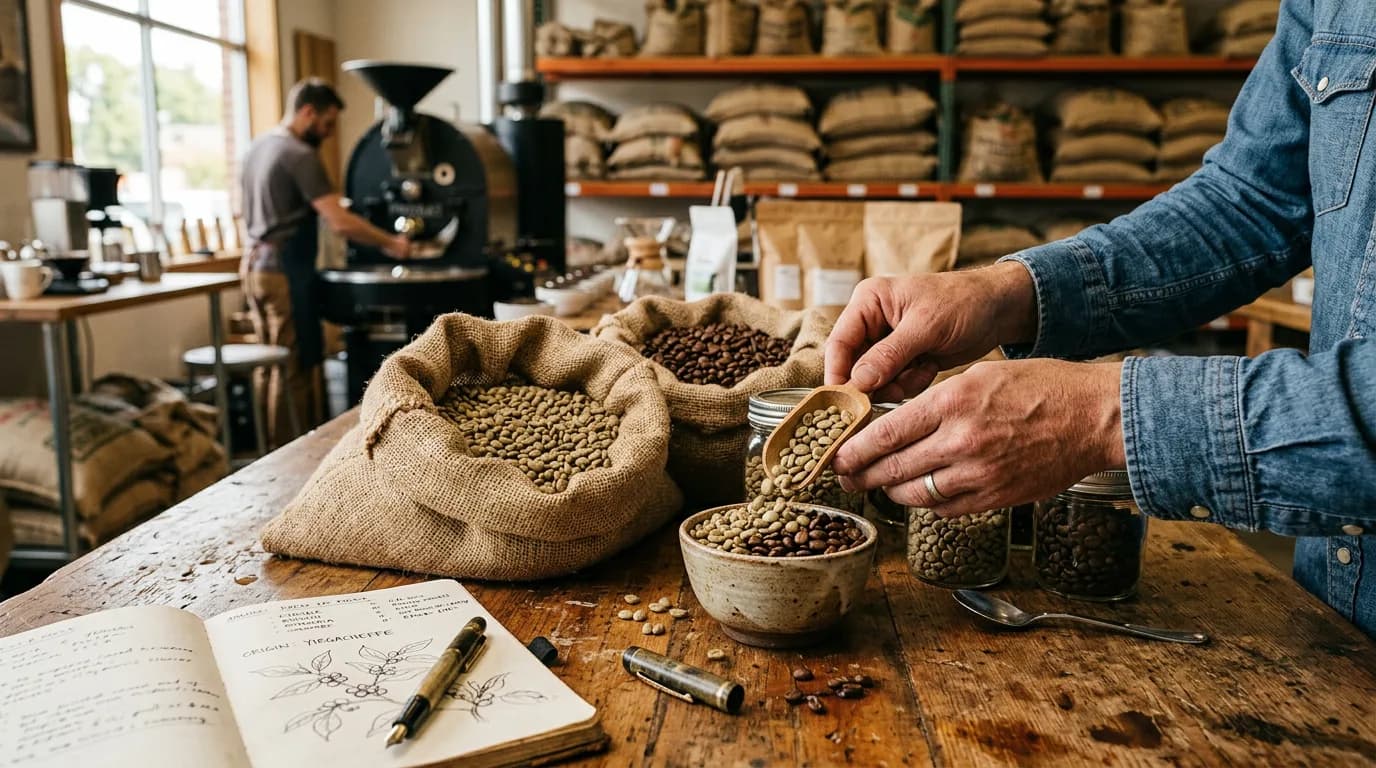
Have you ever paused mid-sip during your morning coffee ritual and wondered where those perfect beans came from? That rich, aromatic brew in your cup didn't just appear by magic. It starts with a fascinating journey called sourcing coffee beans, the behind-the-scenes process that brings the world's finest harvests from distant farms to your local roaster.
If you're new to coffee like many of us were at first, sourcing coffee beans can seem mysterious. But it's simpler than you think, and it makes a huge difference in flavor, quality, and even ethics. In this post, we'll walk you through the entire sourcing process step by step: from scouting farms and cherries ripening on trees, to cupping sessions and shipping logistics. We'll also dive into the latest trends shaking things up, like direct trade relationships, sustainability pushes, and rising demand for specialty single-origins.
By the end, you'll feel confident spotting great beans yourself, whether you're grabbing a bag at the store or chatting with a barista. Stick around, grab your favorite mug, and let's demystify sourcing coffee beans together. Your next cup will never taste the same.
Factors That Make Coffee Beans High Quality
Specialty grade beans score 80 points or higher on the SCA cupping scale. Trained Q graders test them blind for flavor, acidity, body, and more. This puts the beans in the top 5 to 10 percent of global production. Only the best make the cut. For example, scores from 90 up are rare and fetch top prices at auctions. Check the score when sourcing coffee beans. It tells you the quality upfront. Learn more about how specialty coffee is graded.
Growing regions matter a lot. Look for high altitudes over 1200 meters. Cooler air there slows ripening. That builds better sugars and acids. Volcanic soil adds minerals for richer taste. Steady rain, around 1500 to 2000 mm a year, keeps cherries even. Guatemala Huehuetenango hits 1500 to 2000 meters with volcanic dirt and good humidity. It gives chocolate and fruit notes. Costa Rica Tarrazu offers crisp citrus at 1200 to 1900 meters. These spots prove why location counts. See specialty coffee basics.
Arabica beans rule specialty coffee. They make up almost all of it. Robusta is harsher and bitter. Arabica delivers smooth, bold flavors like fruit or chocolate. It grows best at those high spots. Subtypes such as Bourbon or Caturra boost local tastes.
Low defects keep the cup clean. No more than a few bad beans per sample. Skip pesticides for pure flavor. Hand picking at peak ripeness helps. Washed or honey processing cuts flaws. Organic farms avoid chemicals best. This ensures every sip tastes right. Diving Moose picks these top beans for bold results.
Harvesting and Processing Coffee Cherries
Harvesting Coffee Cherries
Farmers pick coffee cherries by hand to get the best flavor. They wait for peak ripeness. Ripe cherries turn deep red and firm. This gives beans more sugar and better taste. Pickers go through fields multiple times over 4 to 12 weeks. They skip green or overripe ones that sour the cup. In places like Ethiopia or Guatemala, workers pick 10 to 20 kg a day. Hand picking costs more but pays off in quality. Machines strip whole branches fast. But they grab unripe fruit too. That fits commodity coffee, not specialty. Check hand-picked vs mechanized harvesting for details.
Processing Methods
Next comes processing within 24 to 48 hours. Float cherries in water first to sort defects. Three main ways shape flavor. Washed process pulls off skin, ferments mucilage 14 to 36 hours, then washes clean. It gives bright acidity like in Colombia. Natural dries whole cherries 3 to 6 weeks for fruity body, common in Brazil. Honey leaves sticky sugars on beans to dry 1 to 3 weeks. That balances sweet and clean, big in Costa Rica. See coffee basics processing. Diving Moose sources these for bold smooth cups.
Drying, Milling, and Grading
Beans dry to 10 to 12 percent moisture on raised beds. Then mills hull parchment and silver skin. Gravity tables and sorters remove light defects. Green beans pack in 60 kg bags for export. Grading checks 300 gram samples per SCA rules. No full black beans or stones allowed in top scores. Hand sorting cuts 1 to 5 percent bad ones. This ensures low defects in the top 3 percent beans like Diving Moose uses. Read honey process explained for more on methods. Look for processing notes when sourcing coffee beans.
Why Direct Trade with Farmers Matters
Direct Relationships Give Fair Prices to Farmers
Roasters build long term ties with farmers. This lets them pay more than market rates. Prices often run 20 to 50 percent higher per pound. Farmers use the extra cash for schools or better tools. In tough times like 2025, when Arabica hit $4.41 per pound from weather issues, these deals offer steady pay. Diving Moose Coffee does this for their top 3 percent beans from spots like Guatemala Huehuetenango. Farmers there invest in quality picks and drying setups. You get beans with real impact behind them. Guide to direct trade coffee
Better Quality Control from Farm to Roaster
No brokers means roasters guide farmers closely. They fund gear like fermentation tanks. Feedback comes fast on ripeness or defects. This boosts cup scores to 85 or higher on the SCA scale. Flavors pop with citrus or caramel notes. Diving Moose checks lots from farm to their small batch roasts in Georgia. Experiments with washed or natural methods shine through. Your coffee tastes consistent and fresh.
Traceability Tracks Beans Back to Specific Plots
Every bean links to one farm plot. Records show height, soil type, and process. Tools like digital logs make it simple. Over 80 percent of buyers want this story. It cuts risks from pesticides or mold. Diving Moose traces their Colombia Sierra Nevada beans this way. Know exactly where your cup comes from.
Reduces Middlemen for Fresher Beans
Fewer hands in the chain speeds things up. Beans ship in small batches quick. Roasts happen soon after arrival. Profiles stay bright and bold. Diving Moose ships in 48 hours. Less time sitting means better taste in your mug. How direct trade works This matters when sourcing coffee beans right.
Certifications for Ethical Sourcing
USDA Organic
USDA Organic certification means no synthetic pesticides or herbicides on coffee farms. Farmers use natural methods to keep soil healthy and fight pests. They rotate crops and add compost. No GMOs either, though coffee does not have them yet. The whole chain from farm to roast gets checked each year. In the US, 44 percent of coffee drinkers pick organic. The organic coffee market hit 7.24 billion dollars in 2023 and keeps growing. Look for this label when you source coffee beans. It cuts chemical runoff and helps the planet. Diving Moose Coffee uses USDA Organic beans from places like Sumatra Gayo.
Fair Trade
Fair Trade makes sure farmers get good wages above market prices. It adds a premium for schools or tools. No child labor or unsafe work. Farmers vote on how to spend the extra money. In 2021, US Fair Trade coffee made 31 million dollars in premiums for communities. East African certified farms earn 179 percent more. Shoppers pay extra for this, and sales jump 3.3 percent with the label. It builds steady income amid price swings. Check for Fair Trade when buying beans. It supports real people behind your cup.
Rainforest Alliance
Rainforest Alliance protects forests and wildlife. Farms ban cutting trees and add native plants. They use shade trees and smart water use. Fair pay and no child labor too. It covers over 400 thousand small farms on a million hectares. Volumes reached 1.7 million metric tons lately. See details on Rainforest Alliance certified coffee. Farms like Costa Rica's Aquiares added 76 tree types and more birds. This fights coffee rust from climate change. Pick these beans for better habitats.
Bird Friendly
Bird Friendly goes further for biodiversity. It requires shade grown under tall native trees, at least 40 percent cover. Must be USDA Organic first. Audits check for bird habitats like rainforests. It saves migratory birds and stops deforestation. Growing fast, one roaster sold 104 thousand pounds in 2024. Ties right to conservation like Diving Moose does with WWF. Shade methods match their ethical sourcing. These certs together make up 10 to 15 percent of world coffee. They help as climate hits farms hard. Read more on sustainable coffee sourcing.
Sustainability in Coffee Sourcing
Shade Grown Coffee Preserves Habitats for Wildlife
Shade grown coffee grows under trees. This setup copies natural forests. It helps birds and insects thrive. Studies show these farms hold up to 14 times more migratory birds than sun grown ones. Birds like cerulean warblers return often. They eat pests and cut damage by 70 percent. Plus, these farms store 482 million metric tons of carbon. That beats many tree planting projects. Look for Bird Friendly or Rainforest Alliance labels when you buy beans.
Regenerative Agriculture Builds Soil Health
Regenerative farming fixes soil in coffee fields. Farmers add cover crops and compost. They mix in trees for shade. This boosts microbes and water holding power. The Rainforest Alliance starts new standards in 2026 for places like Brazil and Costa Rica. Farmers see 20 to 30 percent more income from better yields. Soil stays healthy longer. It fights erosion too. Sun farms lose soil two and a half times faster.
Climate Resilient Varieties Fight Drought Impacts
Drought hits Arabica hard. New varieties resist it better. World Coffee Research breeds F1 hybrids. These yield 22 to 47 percent more. They handle heat, rust, and dry spells. Farmers in Ethiopia and Costa Rica test them now. They keep production steady as climate shifts. Global output sits at 174 million bags this year. Resilient beans secure the future supply.
Global sustainable coffee purchases reached 1.74 million metric tons in 2024. That's up 170 percent since 2018, per the Global Coffee Platform report. Companies like Diving Moose Coffee pick these methods. They source top specialty beans and support WWF conservation. Check labels for shade grown or regenerative claims next time you source beans. It makes a real difference.
How Diving Moose Coffee Sources Beans
Diving Moose Coffee picks 100 percent specialty grade Arabica beans. These rank in the top 3 percent of all coffee grown worldwide. That puts them at 80 points or higher on the SCA cupping scale. Beans come from key spots like Sumatra Gayo in Indonesia. This USDA Organic lot gives earthy herbal notes in our Rhinoceros roast. Colombia Sierra Nevada Organic from Minca village farms adds cocoa flavors to the Condor blend. Other sources include Guatemala Huehuetenango and Costa Rica Tarrazu. All meet strict standards for low defects and clean processing.
We buy through direct trade. This skips brokers for better prices to farmers. Full traceability tracks every bean to its farm or plot. Customers see lot numbers and stories on our site. This practice matches 2026 trends where transparency beats basic certifications. Global specialty demand grows 5 to 9 percent yearly amid supply shortages.
Roasting happens in small batches in Georgia with Ambex machines. We hit full city profiles for balance and body. Orders ship fresh within 48 hours if placed early in the week. A share of sales funds WWF conservation. This protects habitats linked to shade grown farms. Early 2026 donations topped $363 for wildlife efforts. Check our sustainable sourcing and about us page.
Sourcing Trends to Watch in 2026
Ethical Sourcing Goes Standard with Blockchain
Ethical sourcing turned standard by 2026. Roasters use blockchain to track beans from farm to cup. This tech creates a clear record of fair pay and clean practices. You can scan a QR code and see the farm details. It builds trust when prices rise from weather issues. Companies like Diving Moose Coffee already focus on direct trade and traceability. Look for these features on labels to pick reliable beans.
Premium Specialty Demand Pushes Market to USD 69 Billion
Demand for premium specialty coffee keeps growing fast. The market hit USD 46 billion now and heads to USD 69 billion by 2032. That comes from a steady 4.75 percent yearly rise. People want single origin beans with high scores over blends. Younger buyers drive this with home brew gear and subscriptions. Check SCA scores above 80 when you shop. It means better flavor from places like Guatemala or Sumatra.
Conservation Ties Through Shade Coffee
Shade coffee links sourcing to habitat protection. Beans grow under trees that shelter birds and bugs. This fights deforestation from sun grown farms. Mexico farms show higher yields thanks to bee pollination. Only a small percent gets Bird Friendly certification due to costs. Diving Moose supports WWF with sales. This helps wildlife and makes coffee more resilient to heat. Pick shade grown to back these efforts.
US Adults Hit 46 Percent on Specialty Daily
In the US, 46 percent of adults drink specialty coffee daily. That marks a high not seen in years. It beats regular coffee at 42 percent. Gen Z loves cold brews and espresso shots. Overall coffee use sits at 66 percent daily with three cups average. Trends point to more functional drinks ahead. Stay ahead by trying new origins each month. For details on challenges ahead, see this 2026 industry outlook. These shifts shape how brands like Diving Moose source top beans.
Key Takeaways for Better Coffee Choices
Look for SCA Scores Over 80
Check coffee bags for SCA scores above 80. These scores mean specialty grade beans. They rank in the top 5 to 10 percent worldwide. Q graders test for flavor and body. Beans like those from Diving Moose hit this mark. You get better taste this way.
Choose Direct Trade and Certifications
Pick brands that do direct trade with farmers. They pay fair prices, often 20 to 50 percent above market. Look for labels like USDA Organic or Rainforest Alliance. These ensure no bad pesticides and good labor. Certifications build trust in sourcing coffee beans.
Back Sustainability and Wildlife
Buy from companies that support groups like WWF. Shade grown coffee protects habitats for birds. Diving Moose partners with WWF. A part of sales helps conservation. This keeps farms healthy too.
Sample Origins Like Guatemala
Try beans from Guatemala Huehuetenango. High altitude gives bright acidity and chocolate notes. Other spots like Costa Rica add unique profiles. Test small bags first.
Watch 2026 Regenerative Trends
Regenerative practices rebuild soil health. They fight climate issues. Blockchain tracks beans better. Stay informed for top choices ahead.
Conclusion
Sourcing coffee beans is a captivating journey that transforms ripe cherries into the flavorful brews we love. Key takeaways include understanding the step-by-step process from farm scouting and cupping to shipping, embracing trends like direct trade and sustainability for ethical choices, prioritizing specialty single-origins for superior taste, and gaining the knowledge to spot quality beans anywhere.
This guide empowers you to elevate your coffee game beyond casual sips. Next time you shop, check for transparent sourcing labels, try a direct-trade bag, or visit a local roaster for cupping. Your newfound expertise not only enhances flavor and ethics but also supports global farmers. Brew on with confidence; your perfect cup awaits discovery.