
Honduras, Peru, or Sumatra: A Flavor Guide to Lesser-Known Coffee Origins Worth Trying
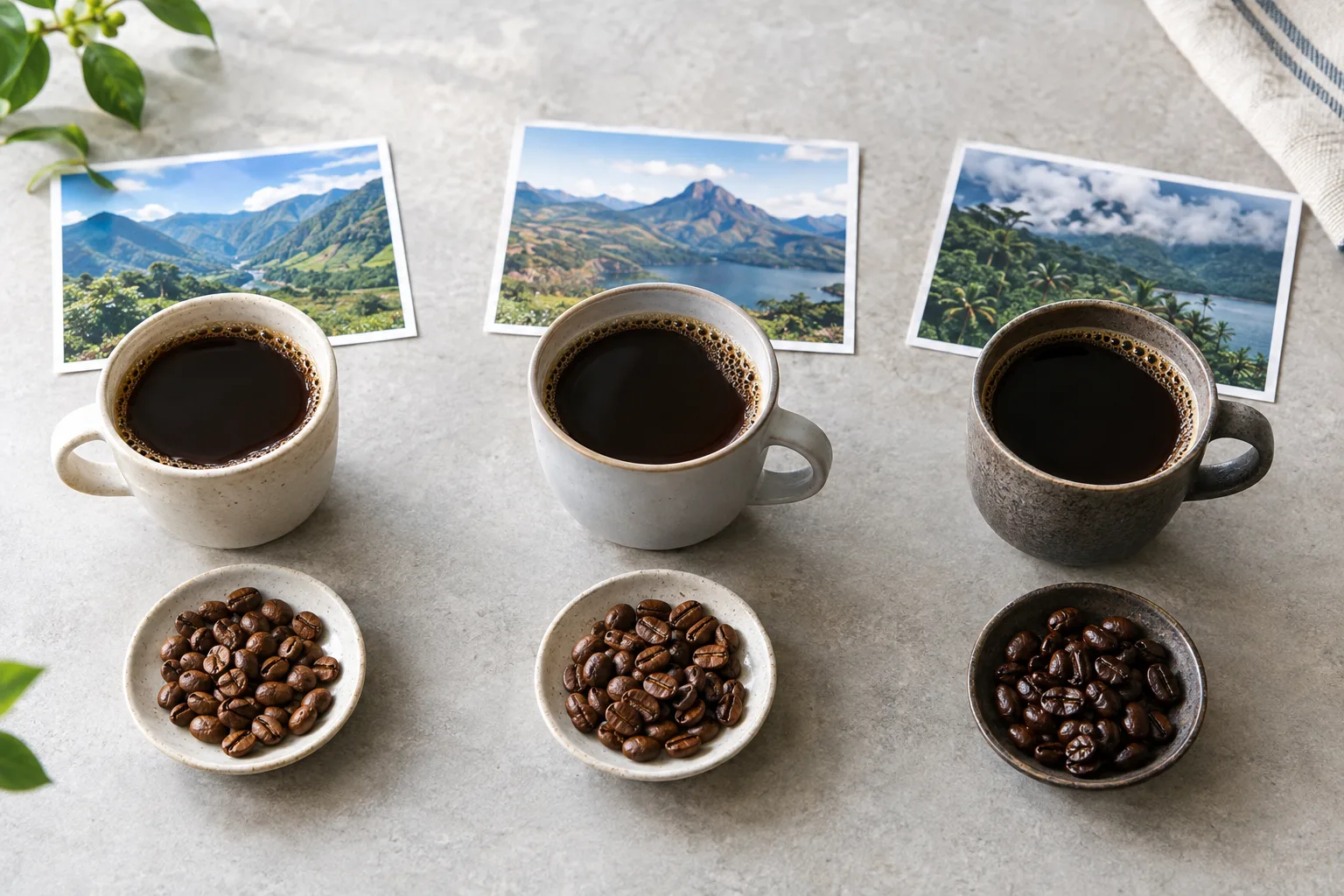
Most coffee shelves lean on Colombia, Brazil, and Ethiopia. Honduras, Peru, and Sumatra get less attention, but each one tastes different from the usual picks. Here is what to expect from each, and how to choose.
Why try a lesser-known origin
Famous origins are popular for good reasons. But they are not the only places that grow great coffee. Smaller names often cost less attention, not less quality.
Trying a new origin also teaches you what you like. Altitude, soil, and processing all change the cup. When you taste three origins side by side, those differences get easier to notice.
Honduras, sweet and easy to drink
Honduras grows coffee in several mountain regions, and the flavors vary by farm and altitude. Many Honduran coffees land in a friendly middle ground. Expect a soft acidity and a clean finish.
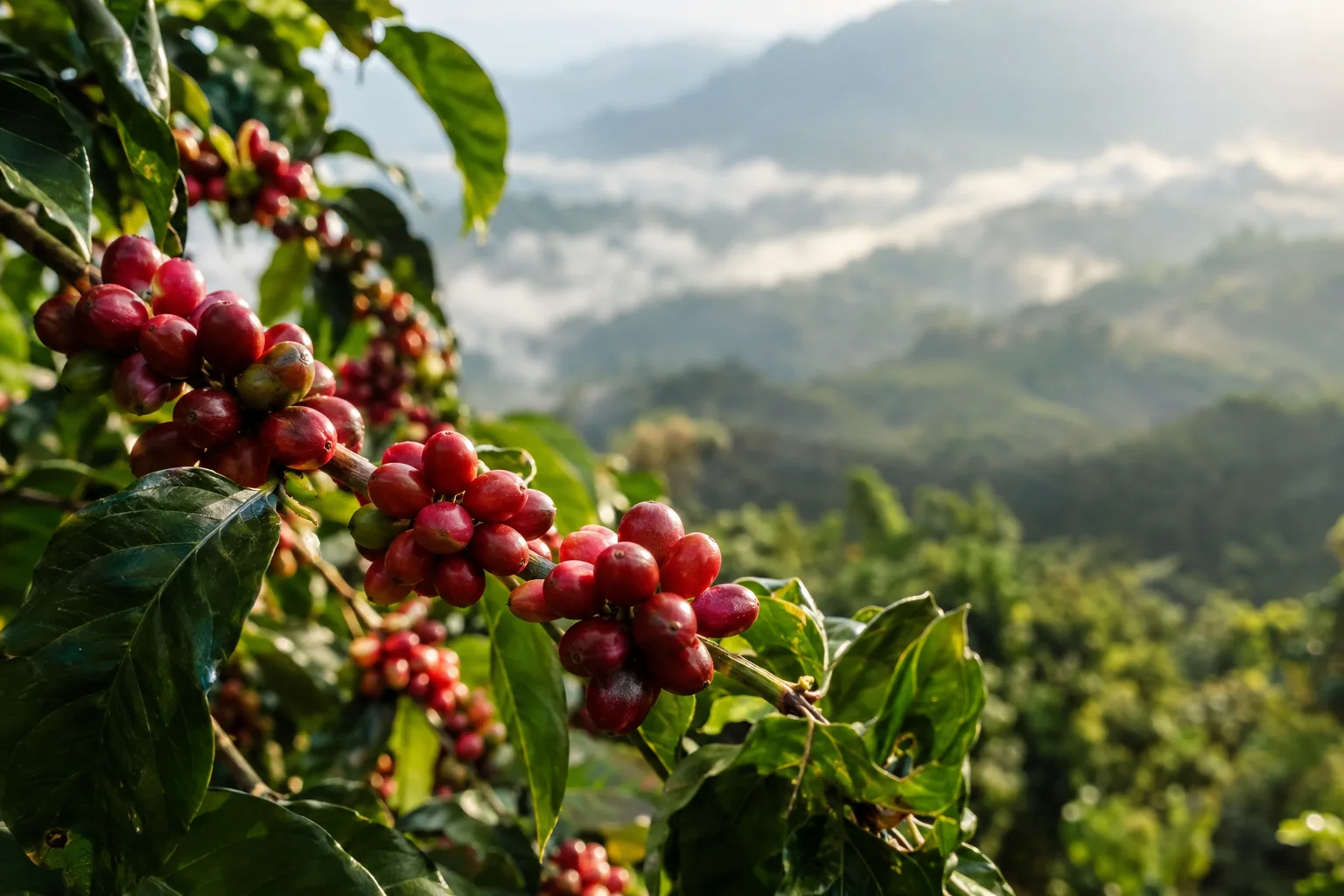
Common tasting notes include caramel, milk chocolate, and gentle fruit such as apple or stone fruit. It is a good pick if you want something smooth without much bite. It works well in a drip machine, a pour-over, or a French press.
If a coffee tastes sharp or sour, grind a little finer or use slightly hotter water. Honduran coffees usually reward a simple, steady brew.
Peru, mellow and nutty
Peru grows much of its coffee on small farms in the Andes. Many of those farms are certified organic. That makes Peru a common stop for anyone who wants organic coffee at a fair price.
In the cup, Peruvian coffee is often mild and balanced. Think cocoa, toasted nuts, and a light sweetness. The acidity is usually gentle, so it suits people who find brighter coffees from East Africa a bit much.
It also handles milk well. If you drink lattes or add cream, a Peruvian coffee will not get lost.
Sumatra, earthy and full
Sumatra is the odd one out in this group. It is an island in Indonesia, and many coffees there are processed with a method called wet hulling. That step is a big reason the coffee tastes so different from Central and South American beans.
The cup is usually heavy and low in acidity. Flavors lean toward earth, herbs, cedar, and dark chocolate. Some people love it right away. Others need a few cups to get used to it.
We roast one you can try. Jimothy Roast: Indonesia Sumatra Gayo Organic Medium-Dark Roast is organic and roasted medium-dark, which suits the origin's heavy body. You can see more coffees from the region in our Indonesian and Pacific collection.
Sumatran coffee is a strong fit for a French press. The metal filter keeps the oils in, and that adds to the body.
Side by side
| Origin | Typical flavor | Acidity | Body | Good brew method |
|---|---|---|---|---|
| Honduras | Caramel, chocolate, soft fruit | Low to medium | Medium | Drip, pour-over |
| Peru | Cocoa, nuts, light sweetness | Low to medium | Light to medium | Drip, French press, with milk |
| Sumatra | Earthy, herbal, dark chocolate | Low | Heavy | French press, drip |
These are general patterns. Each farm and each roast will be a little different, so treat the table as a starting point.
How to pick one
Start with what you already drink. Your usual cup points to the right origin.
- You like smooth, sweet coffee. Try Honduras.
- You drink coffee with milk, or find bright coffee sour. Try Peru.
- You like dark roasts and bold flavor. Try Sumatra.
Then change one thing at a time. Keep the brew method the same and switch only the origin. That way you taste the coffee, not the variables.
Taste three origins with the same brew method, and the differences stand out fast.
A note on what we carry. We do not have a Honduran or Peruvian single origin listed right now. Our Central and South American coffees are a good way to explore that part of the world, and they share the smooth, balanced style you would expect from those countries.
Where to start
If you want the biggest change from what you usually drink, start with Sumatra. Grind it coarse, brew it in a French press, and give it three cups before you decide. Then try a Central or South American coffee on the same method and compare.