
How Wildlife-Friendly Coffee Certifications Actually Protect Endangered Species
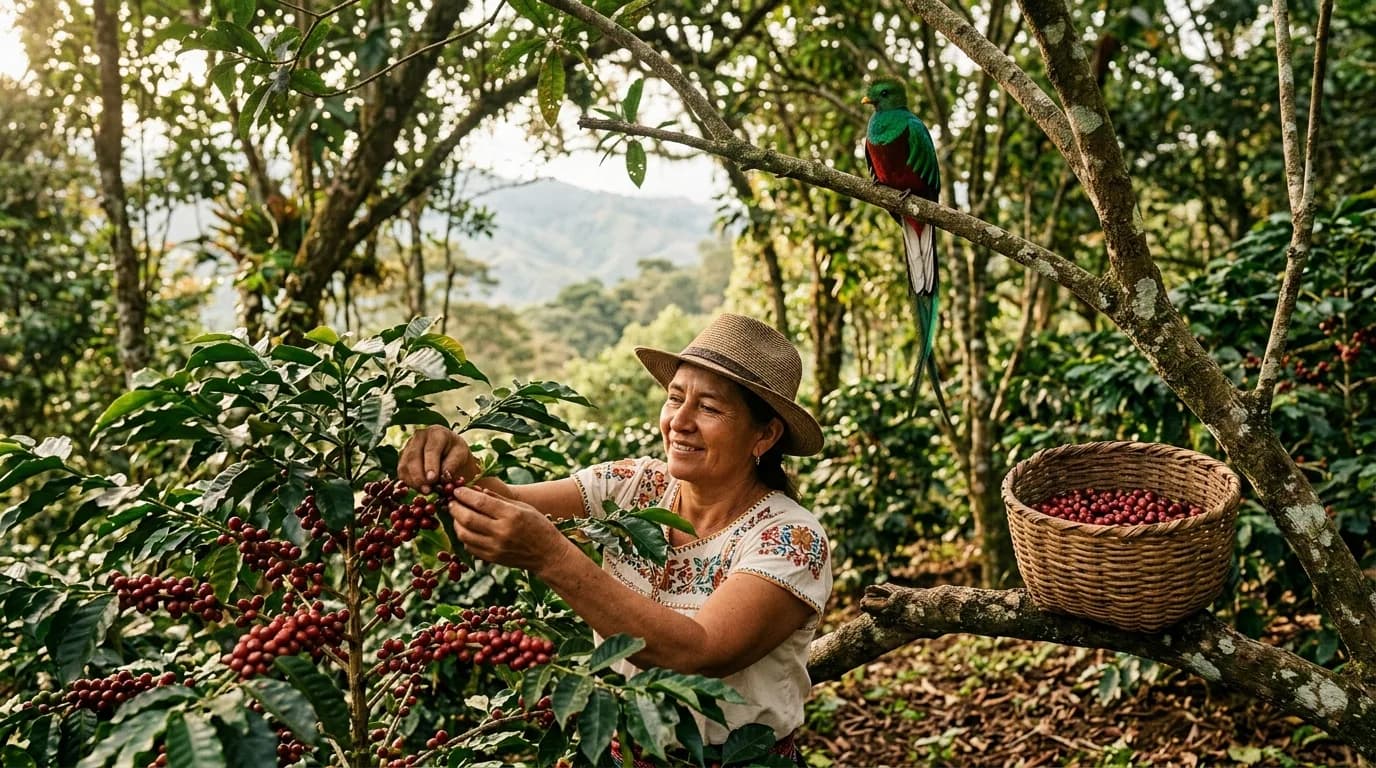
Coffee certifications get thrown around a lot on packaging. But a few of them do real work for wildlife, and understanding which ones matter can change how you shop for coffee.
Why coffee farming affects wildlife in the first place
Coffee grows in some of the most biodiverse regions on the planet, including the tropics of Central America, East Africa, and Southeast Asia. These are the same places where jaguars, orangutans, migratory songbirds, and hundreds of other species live.
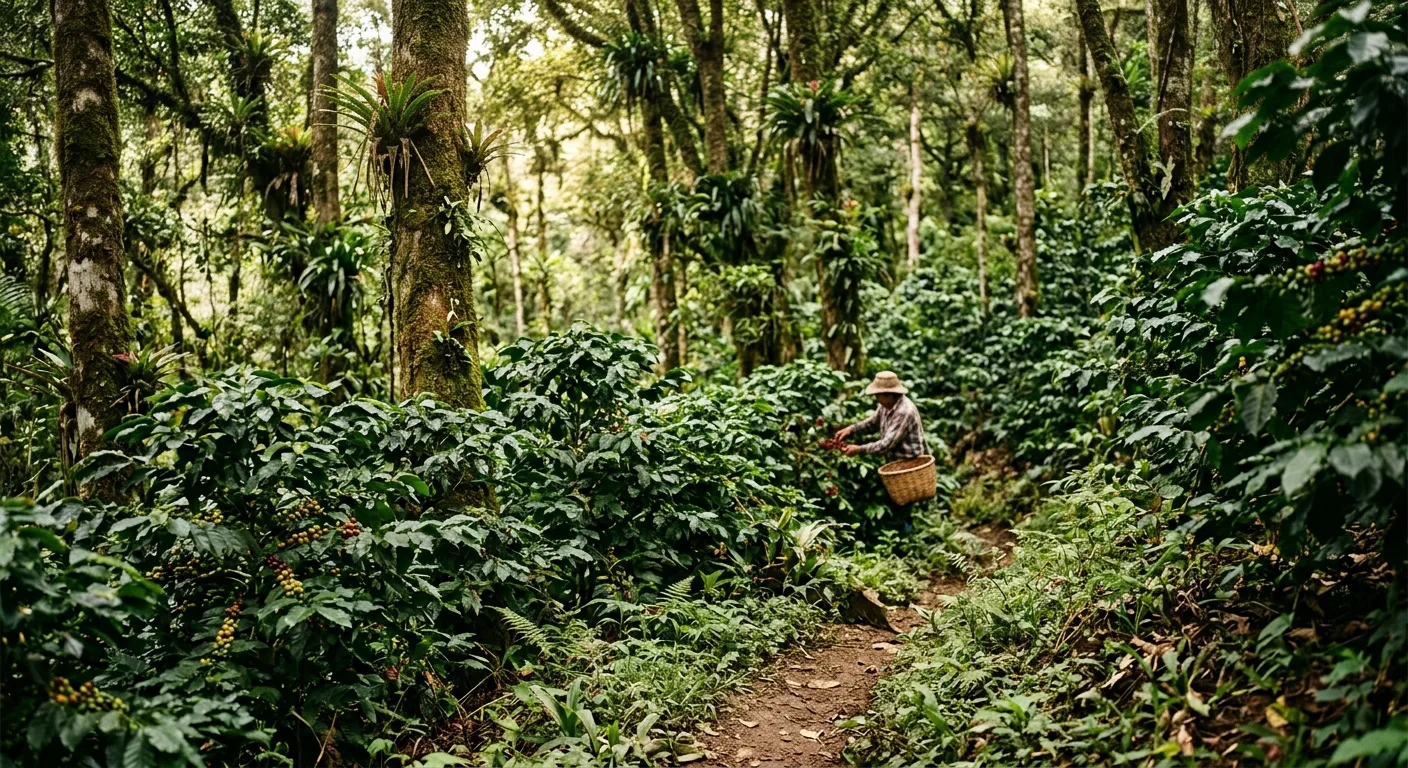
When forests get cleared to make room for sun-grown coffee plantations, habitat disappears with them. A single farm conversion can fragment a corridor that dozens of species depend on to find food, mates, and shelter. That connection between your morning cup and a jaguar's territory is real and direct.
What shade-grown certification actually means
Shade-grown coffee is grown under a canopy of trees rather than in open rows under full sun. That tree canopy does a lot of heavy lifting for local ecosystems. It provides nesting sites, food sources, and cover for birds and mammals that cannot survive in cleared agricultural land.
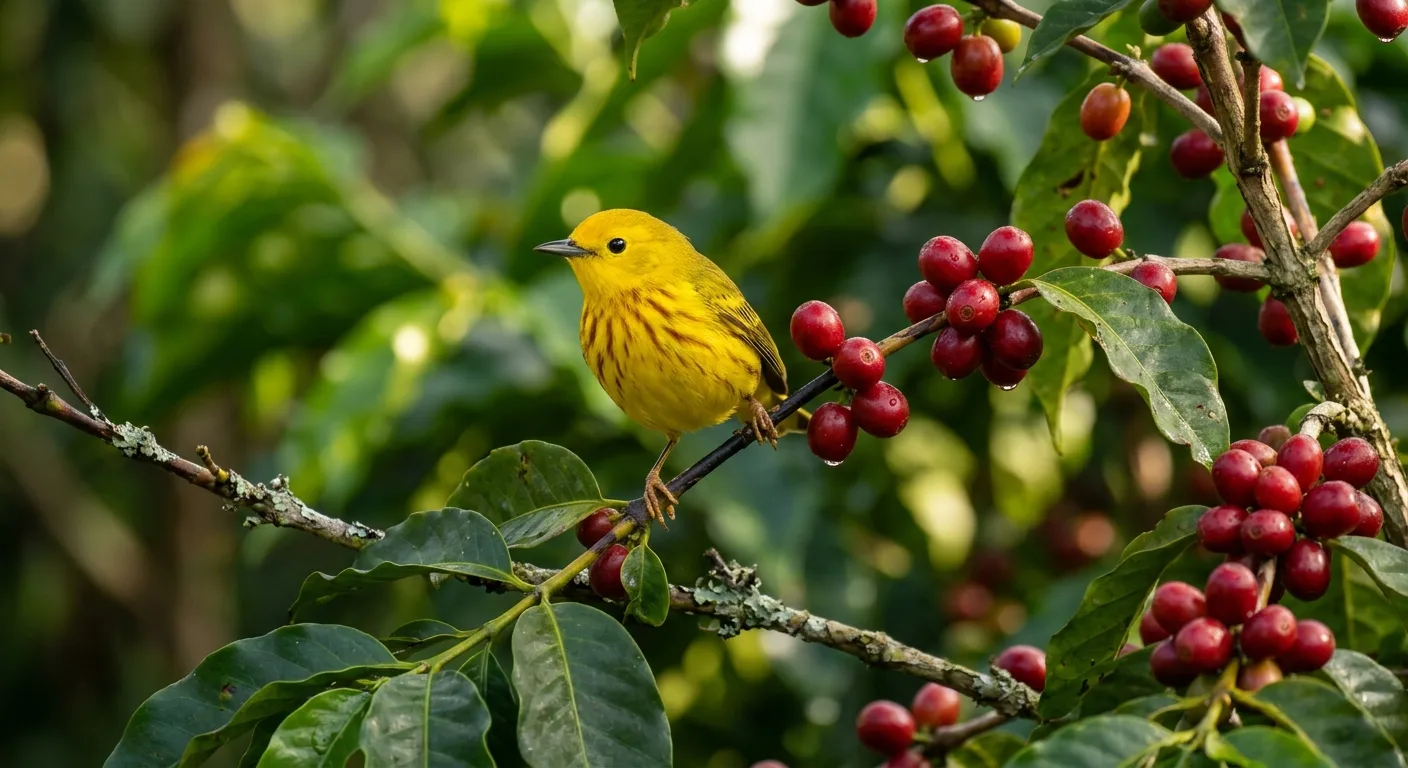
Shade-grown farms can host more than 150 bird species, compared to just a handful on sun-grown monoculture farms. If you care about birds, this certification is worth looking for.
The canopy also keeps soil healthy, reduces erosion, and supports insect populations that feed larger animals. Shade-grown is not just good for wildlife. It often produces better-tasting coffee because beans ripen more slowly in lower light.
Bird Friendly certification goes a step further
The Smithsonian Migratory Bird Center runs the Bird Friendly certification, which is one of the strictest in the industry. To qualify, farms must be shade-grown, organic, and meet specific standards for tree diversity and canopy height.
This matters because migratory birds depend on habitat continuity across thousands of miles. If the forests in their wintering grounds disappear, populations collapse even if their summer breeding grounds are protected. Bird Friendly farms fill a critical gap in that chain.
Certified farms fill a critical gap in the migratory chain that no national park or wildlife reserve can fill on its own.
Organic certification reduces chemical pressure on wildlife
Pesticides used in conventional coffee farming do not stay on the farm. They run off into streams and soil, affecting amphibians, insects, and the birds and mammals that eat them. Organic certification prohibits synthetic pesticides and fertilizers, which keeps those chemicals out of local water systems.
Amphibians are especially sensitive to agricultural runoff. Many frog and salamander species that live in coffee-growing regions are already threatened. Organic farms give them a better chance of surviving alongside agriculture rather than disappearing because of it.
Fair Trade supports conservation indirectly but meaningfully
Fair Trade certification guarantees that farmers earn a minimum price for their coffee and receive a community premium for social projects. This is relevant to wildlife because poverty puts pressure on forests. When farmers earn a stable income from certified coffee, they have less financial motivation to clear more land or supplement income through poaching.
Fair Trade alone does not protect habitat directly. But paired with organic or shade-grown certification, it creates conditions where farmers can afford to farm sustainably long term.
How these certifications work together
The strongest conservation outcomes happen when certifications stack. An organic, shade-grown, Fair Trade farm protects wildlife through multiple mechanisms at once: preserved habitat, clean water, stable farmer income, and diverse tree cover. Each layer reinforces the others.
| Certification | Primary benefit for wildlife |
|---|---|
| Shade-grown | Preserves tree canopy and habitat corridors |
| Bird Friendly (Smithsonian) | Strict canopy and biodiversity standards for migratory birds |
| Organic | Eliminates pesticide runoff into local ecosystems |
| Fair Trade | Reduces economic pressure to clear forest or poach |
| Rainforest Alliance | Farm-level standards for biodiversity and ecosystem protection |
What this means for the coffee you buy
Choosing certified coffee is not just a feel-good move. It sends a direct financial signal to farms and supply chains that these practices are worth maintaining. Volume matters. When certified coffee sells well, more farmers have an economic reason to maintain the forest canopy, skip the synthetic chemicals, and keep their land as functional wildlife habitat.
At Diving Moose Coffee, organic and responsibly sourced coffees are a core part of what we offer, not an afterthought. Our Organic and Fair Trade Certified Specialty Coffee collection is a good starting point if certifications matter to you. If you want to explore single-origin coffees from biodiverse regions, our Africa and Arabia collection and Indonesian and Pacific Region coffees source from some of the most ecologically significant growing areas in the world. And a portion of every purchase goes directly to wildlife conservation through our WWF partnership, so the impact goes beyond the farm.