
How Buying Specialty Coffee Can Help Save Endangered Wildlife
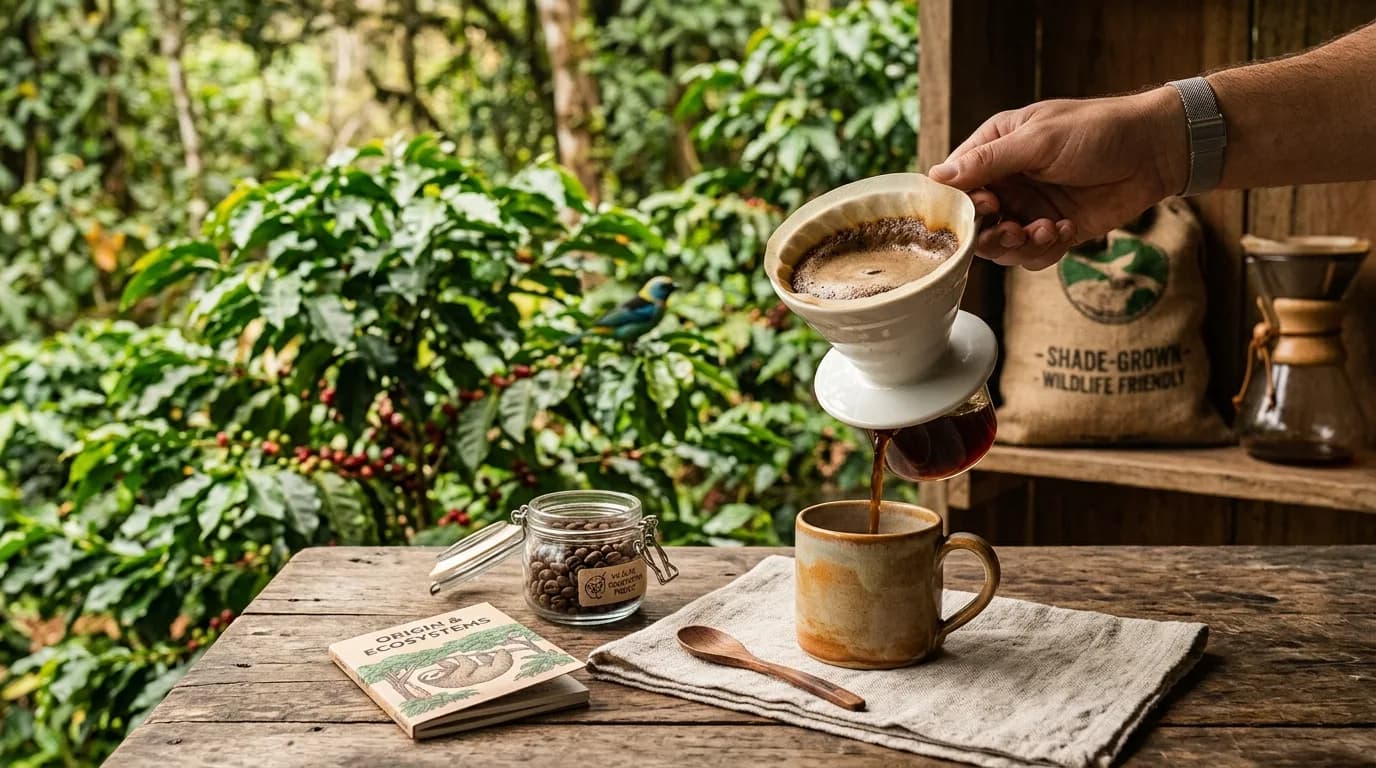
Every bag of coffee you buy is a small vote. Most of the time it doesn't go much further than your morning cup. But when you buy specialty coffee from the right roaster, that purchase can directly fund the protection of endangered species around the world.
Why coffee and wildlife are connected
Coffee grows in the tropics, a belt that circles the globe between the Tropic of Cancer and the Tropic of Capricorn. This same region is home to some of the most biodiverse ecosystems on earth, and some of the most threatened wildlife. Species like jaguars, orangutans, mountain gorillas, and hundreds of bird species all share territory with coffee farms.
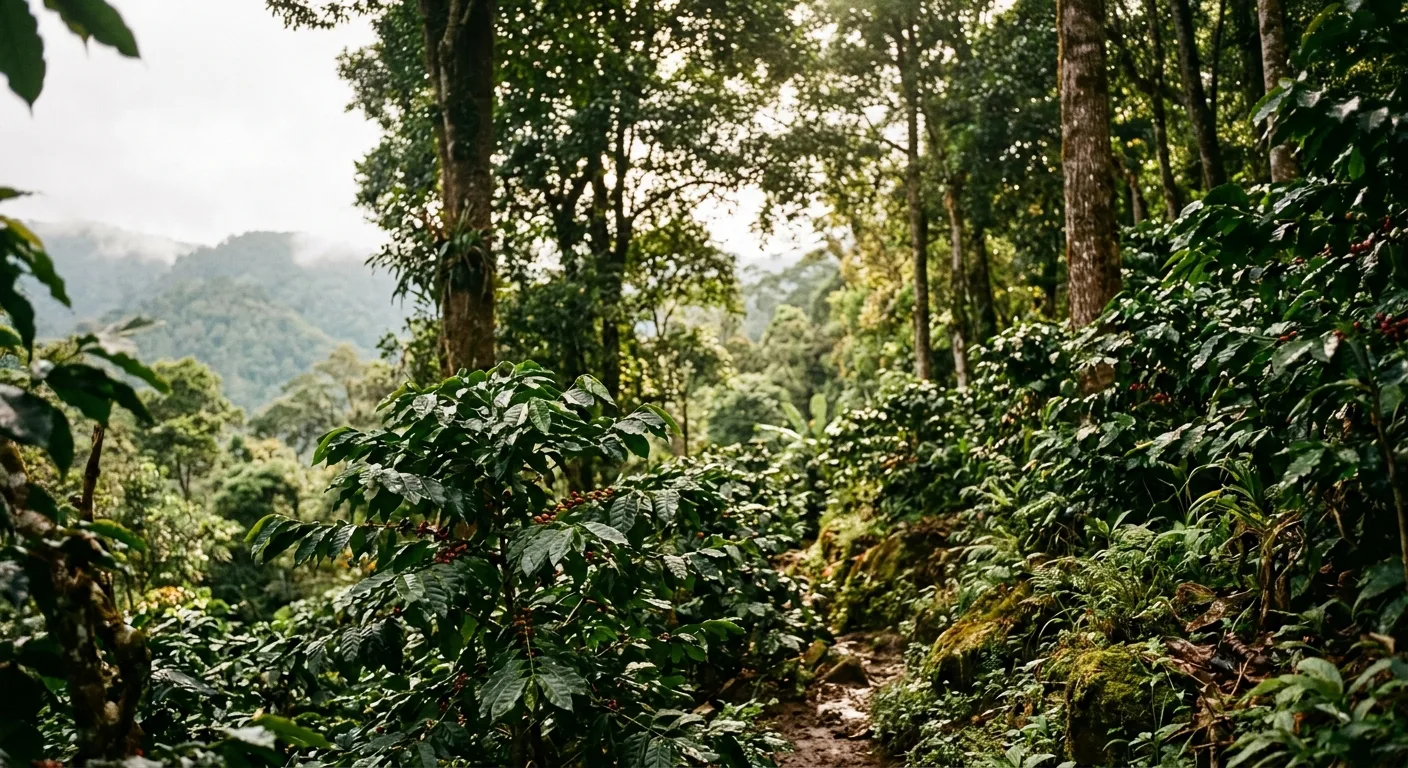
When forests are cleared to plant sun-tolerant, high-yield coffee varieties, that habitat disappears. Animals lose food, shelter, and migration corridors. The connection between your morning cup and a threatened animal halfway around the world is real, even if it's easy to overlook.
How specialty coffee farming does less damage
Not all coffee farming works the same way. Specialty grade coffee, which scores 80 points or above on the Specialty Coffee Association scale, is usually grown under more careful conditions than commodity coffee. Many specialty farms use shade-grown methods, meaning coffee plants grow under a canopy of native trees rather than in open, cleared fields.
That canopy matters. It provides habitat for migratory birds, supports soil health, and keeps natural water sources cleaner. Shade-grown farms are closer to functioning ecosystems than monoculture plantations. They're not a perfect replacement for intact forest, but they're significantly better for wildlife than cleared land.
Look for these on the bag: Shade-grown, Bird Friendly (Smithsonian certified), organic, and Fair Trade certifications are all signals that a farm is managing its land with more care. They don't guarantee conservation outcomes, but they're meaningful indicators.
Certifications help, but partnerships go further
Organic and Fair Trade certifications set real standards around chemical use, farm labor, and environmental practice. They're worth paying attention to. But certifications alone don't direct money to wildlife protection. That takes an active commitment from the company selling the coffee.
A roaster that donates a percentage of sales to a credible conservation organization is doing something different. The money moves from your purchase directly to field work, habitat protection, or anti-poaching programs. That's a more direct line between your cup and a conservation outcome.
The money moves from your purchase directly to field work, habitat protection, or anti-poaching programs.
What the WWF partnership at Diving Moose Coffee actually means
At Diving Moose Coffee, we donate a portion of every purchase to wildlife conservation through our partnership with the World Wildlife Fund. WWF works in more than 100 countries on habitat protection, species recovery, and sustainable development in communities that live alongside wildlife. When you buy a bag of our coffee, some of that money goes directly to that work.
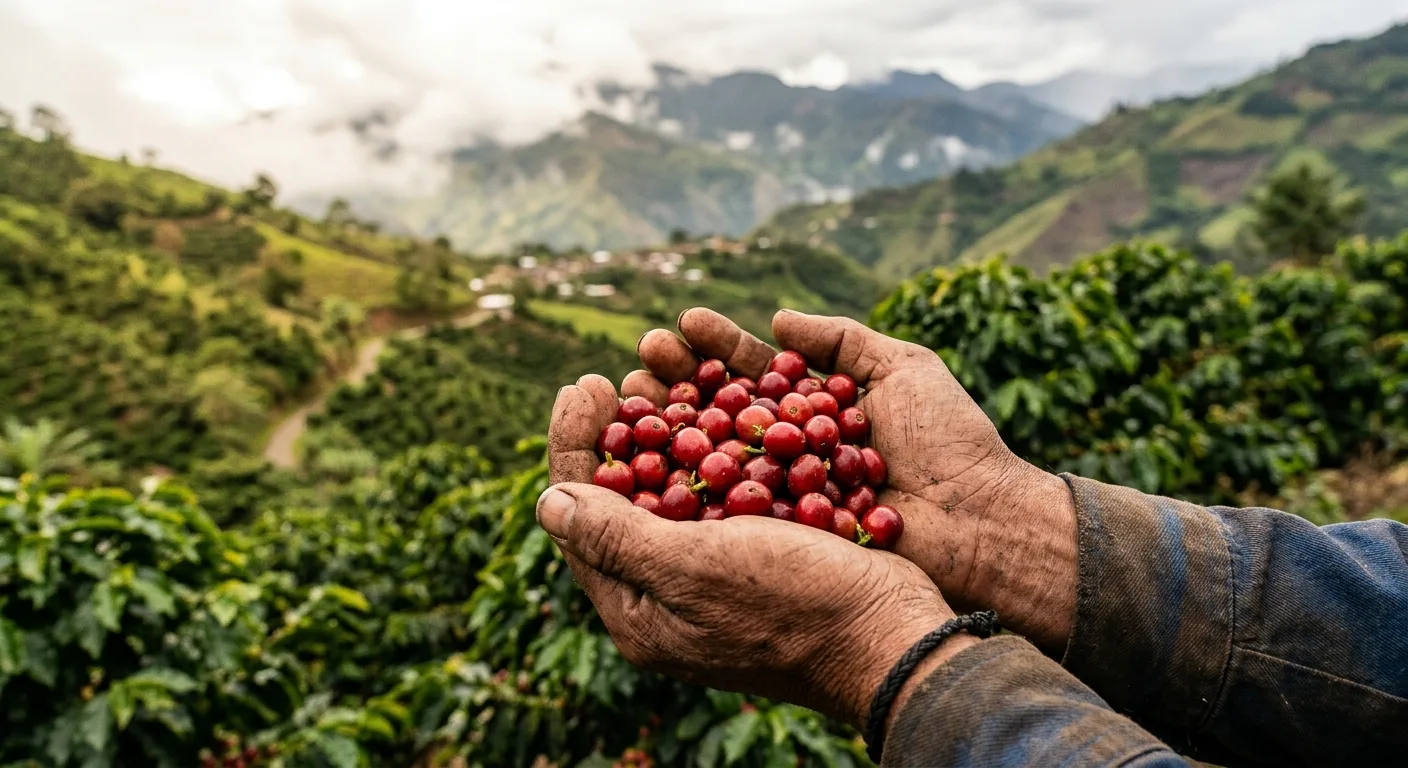
We also source our coffees with attention to origin. Our Organic and Fair Trade certified coffees come from farms operating under real environmental standards. Coffees like The Nyala from Ethiopia Sidamo, a single-origin organic medium-dark roast, and The Condor from Colombia Sierra Nevada, another certified organic single-origin, come from regions where responsible sourcing has a direct effect on local ecosystems and the farmers who depend on them.
The Condor is named after the Andean condor, one of the largest flying birds in the world and a species that has faced serious population pressure. It's a small reminder that the names on our bags aren't random.
The difference between commodity coffee and specialty coffee
| Factor | Commodity coffee | Specialty coffee |
|---|---|---|
| Farming method | Often sun-grown monoculture | Frequently shade-grown, smaller farms |
| SCA quality score | Below 80 | 80 or above |
| Traceability | Usually blended, hard to trace | Often single-origin or farm-traceable |
| Environmental standards | Variable, often minimal | More commonly certified organic or Fair Trade |
| Price paid to farmers | Tied to volatile commodity markets | Typically higher, more stable pricing |
| Conservation impact | Rarely linked to wildlife funding | Can be, depending on the roaster |
Small choices add up
No single bag of coffee saves a species. But buying habits, taken collectively, shape how coffee is grown and where money flows in the supply chain. When more buyers choose specialty, shade-grown, or conservation-linked coffee, it sends a signal that those practices have market value. That signal reaches farms, cooperatives, and governments in coffee-growing regions.
You're already buying coffee. Shifting where you buy it costs no extra time and, at the specialty level, usually costs less than people expect. The gap between a grocery store commodity bag and a well-sourced specialty roast is smaller than the marketing around both would suggest.
Where to start
If you want to try coffees that are both high quality and tied to real conservation funding, our Organic and Fair Trade certified collection is a good place to start. If you're not sure what roast level fits you, the 4-Count Most Popular Sample Pack lets you try four of our best-selling roasts before committing to a full bag. Every order contributes to the WWF partnership, so there's no wrong place to begin.