
Why Diving Moose Coffee Partners with WWF: Our Commitment to Coffee and Conservation
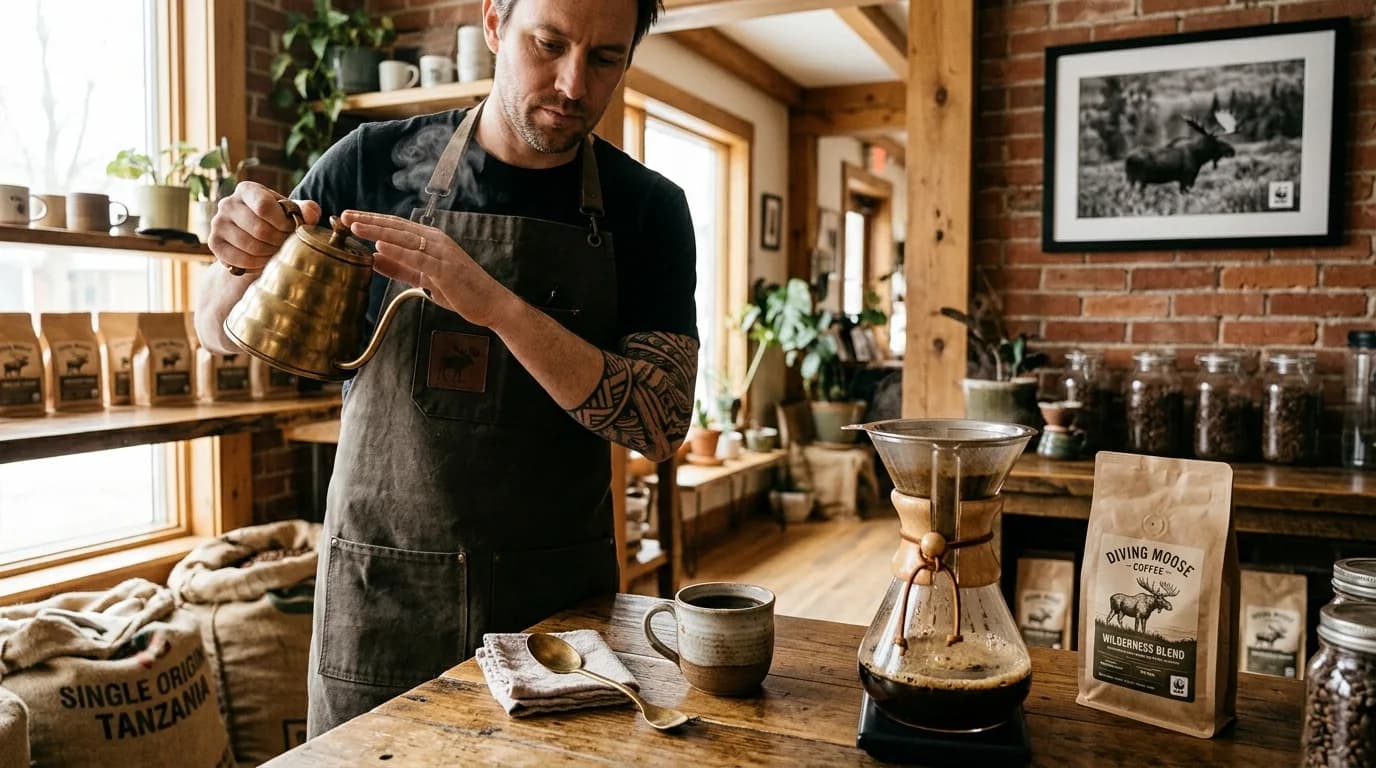
Every bag of coffee we sell does two things. It gives you a quality cup, and it sends a portion of the purchase price to wildlife conservation through our partnership with the World Wildlife Fund. That is not an afterthought. It is the reason we built the company the way we did.
How the partnership works
The World Wildlife Fund is one of the most recognized conservation organizations in the world. They work across more than 100 countries on issues from forest protection to freshwater conservation to climate policy. When we partnered with WWF, we committed to donating a percentage of every sale to fund that work.
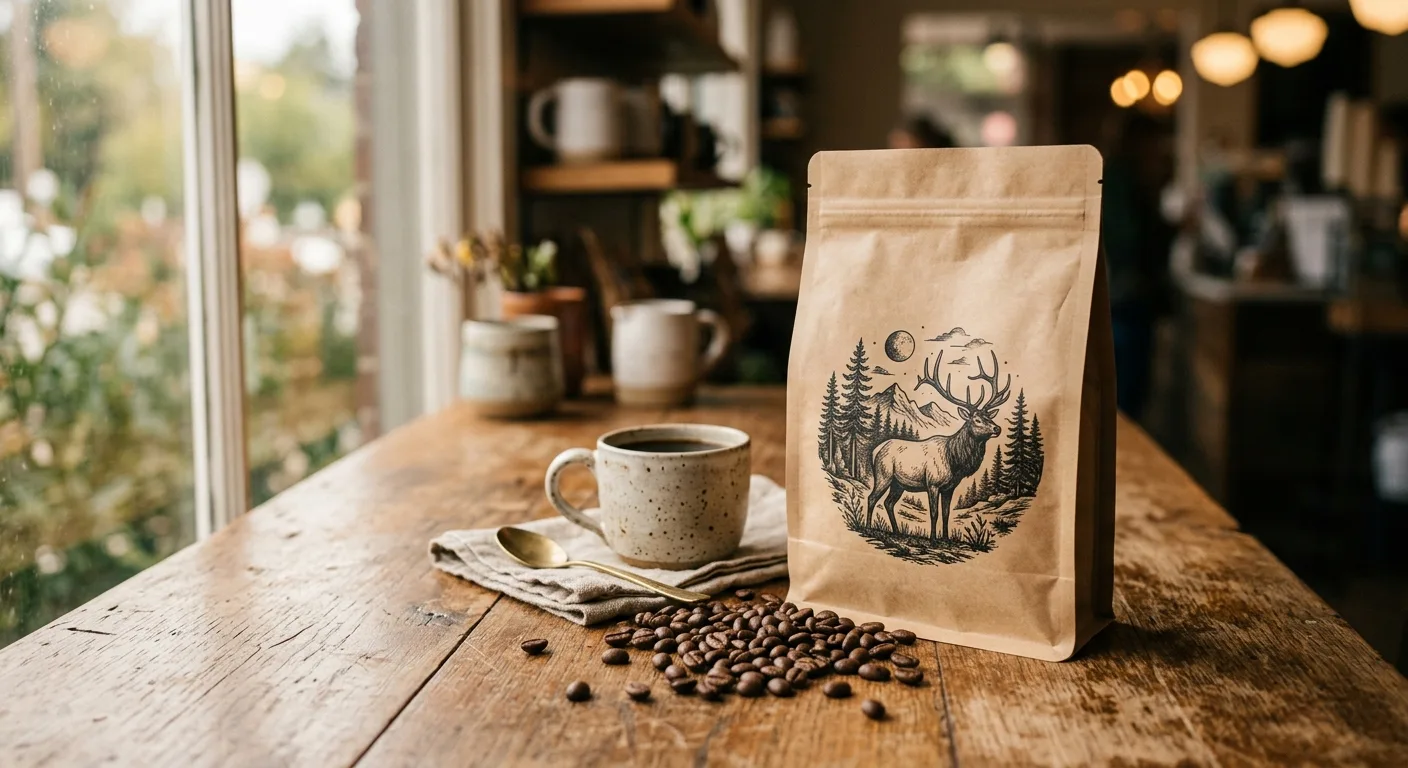
It is a straightforward model. You buy coffee. We donate. No extra steps, no opt-in box at checkout. The contribution is built into the purchase. That matters to us because conservation should not require extra effort from the buyer.
You do not need to do anything special to contribute. Every order from our full coffee catalog automatically puts money toward WWF conservation work.
Why coffee and conservation belong together
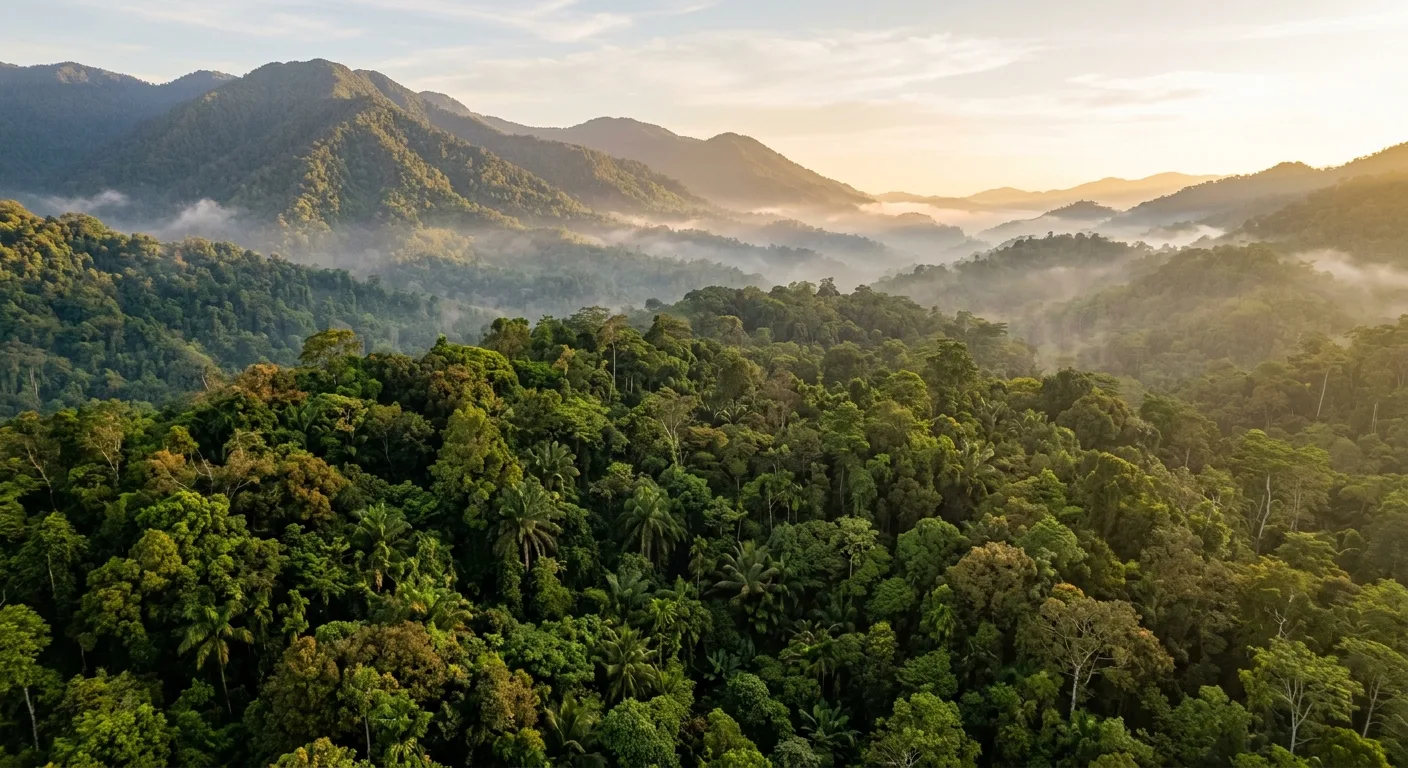
Coffee does not grow in a vacuum. Arabica plants thrive in high-altitude, biodiverse regions, the same places where some of the most important wildlife habitat on earth exists. The forests of Ethiopia, the highlands of Colombia, the mountains of Indonesia and Papua New Guinea are home to species that are under real pressure from deforestation, climate shifts, and habitat loss.
Healthy forests mean stable microclimates. Stable microclimates mean consistent rainfall and temperatures. Consistent conditions mean coffee farmers can actually predict a harvest. When conservation fails, the land changes, and the coffee changes with it. The two are not separate causes.
Healthy forests mean stable microclimates. Stable microclimates mean consistent rainfall and temperatures. And consistent conditions mean coffee farmers can actually predict a harvest.
The animals behind the names
Every roast we sell is named after a wild animal. That is not random. The Nyala is a rare antelope native to Ethiopia, where our Ethiopia Sidamo Organic coffee comes from. The Condor is named for one of the most striking birds in the Americas, and our Colombia Sierra Nevada Organic comes from the mountains where Andean condors still fly. The Jimothy Roast is named after our raccoon mascot, sourced from Indonesia Flores Bajawa.
The names are a reminder. The ecosystems that produce your coffee are also home to wildlife that needs protection. When you pick up a bag of The Otter or The Whale Shark, you are drinking coffee named after animals that benefit, in a small but real way, from the purchase you just made.
What WWF actually does with the funds
WWF runs programs that protect wildlife corridors, push back on illegal deforestation, support local communities living near critical habitats, and conduct research on vulnerable species. They also work on policy at a scale that individual donors rarely can.
These are long-term efforts. Protecting a forest or stabilizing a species population takes years, sometimes decades. That is why a consistent, recurring source of funding matters. Every bag sold adds to that consistency.
WWF publishes annual reports on their conservation work and funding impact. You can read about specific programs and outcomes directly on their site at wwf.org.
Our sourcing and the conservation connection
| Coffee | Origin | Certification |
|---|---|---|
| The Nyala | Ethiopia Sidamo | Organic |
| The Condor | Colombia Sierra Nevada | Organic |
| The Whale Shark | Multi-origin blend | Organic |
| Jimothy Roast | Indonesia Flores Bajawa | Organic |
| The Kinkajou | Guatemala Huehuetenango | Single origin |
| The Otter | Brazil Mogiana | Single origin |
Several of our coffees are also certified organic. Organic certification means no synthetic pesticides or fertilizers, which matters for the soil, the watershed, and the communities farming the land. You can browse our full Organic and Fair Trade certified collection if that is a priority for you.
Why we think this model works
There are a lot of ways to support conservation. Donations, volunteering, advocacy. But most people already buy coffee every week. Shifting that purchase to a brand that contributes to conservation is one of the lowest-effort ways to put money toward something that matters.
We are not asking you to sacrifice quality to do it. Our coffees are specialty grade, small-batch roasted in Georgia, and sourced from regions known for producing exceptional Arabica. If you want to try a few before committing, the 4-Count Most Popular Sample Pack is a good place to start.
Start somewhere
Conservation at scale requires ongoing support. The WWF partnership is our way of building that support into something people do every day. Pick a coffee, make a cup, and know that the purchase contributed to something beyond the mug.
Browse our most popular roasts and find one that fits your taste. That is the whole ask.