
Ultimate Guide: How to Brew the Perfect Cup of Coffee – Tips From Our Roastery
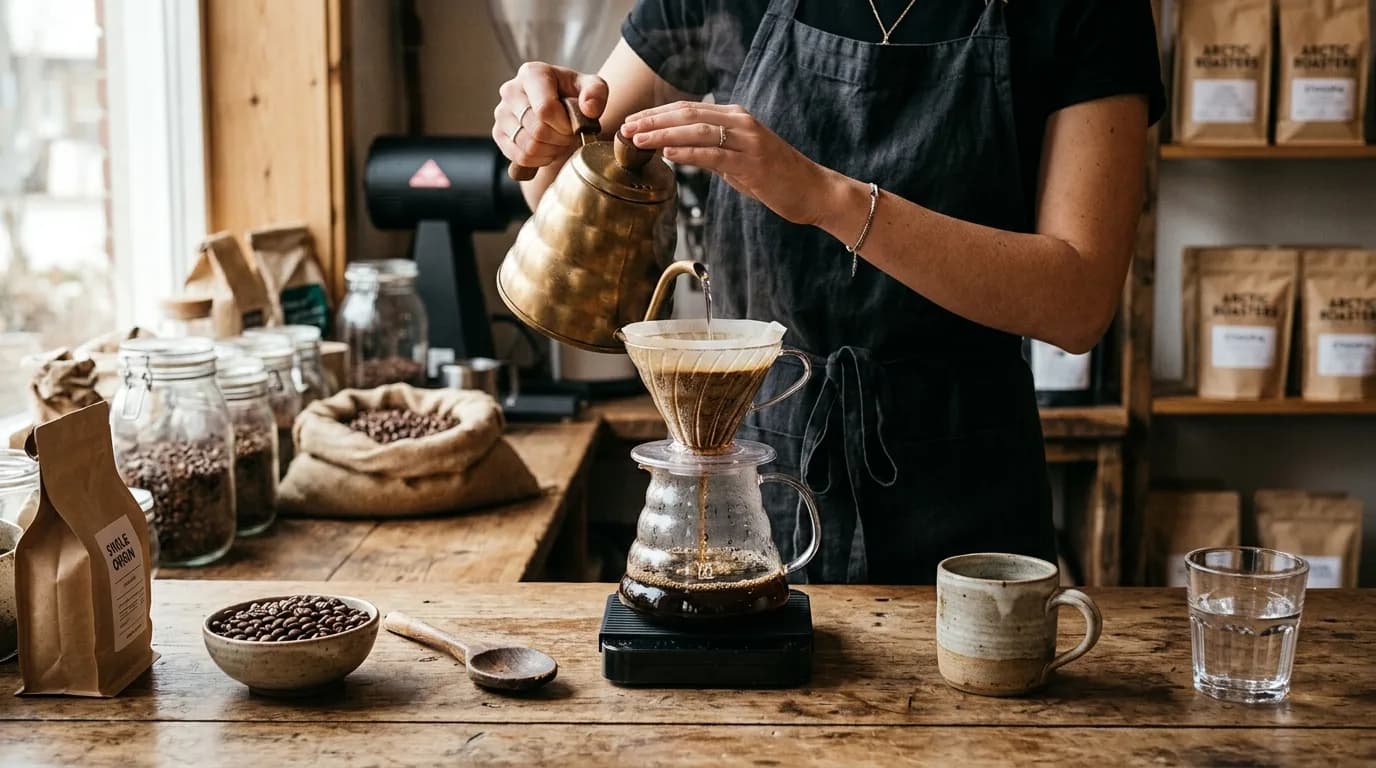
Most bad cups of coffee come down to a few simple mistakes. Fix those, and you're most of the way there. This guide covers what actually matters, from water temperature to grind size, so you can get a consistently good cup at home.
Start with good water
Coffee is roughly 98% water, so water quality matters. Tap water with heavy chlorine or mineral buildup will dull the flavor of even excellent beans. Filtered water is the straightforward fix for most people.
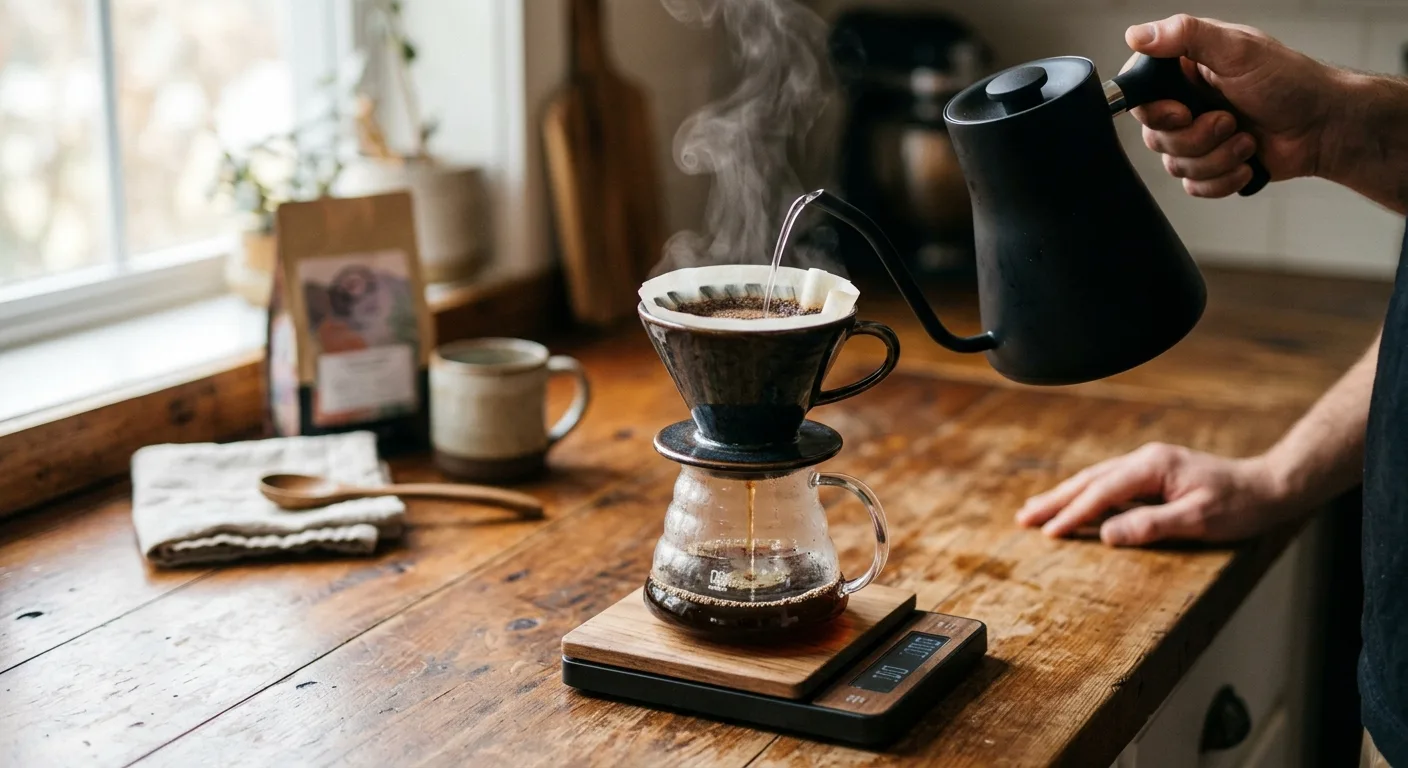
Temperature is just as important. Water that's too hot scorches the grounds and pulls bitter compounds. Too cool, and you get a flat, under-extracted cup. Target a range between 195°F and 205°F. If you're not using a temperature-controlled kettle, bring water to a boil and let it sit for 30 seconds before pouring.
Tip: A gooseneck kettle gives you much better control over pour speed and direction, which matters most for pour-over and Chemex brewing.
Use the right ratio
The standard starting point is 1 to 2 tablespoons of ground coffee per 6 ounces of water. But a kitchen scale gives you more precision. The specialty coffee industry commonly uses a ratio of 1 gram of coffee to 15 or 16 grams of water.
Adjust from there based on taste. If your coffee is weak, add a little more grounds. If it's harsh or bitter, use slightly less or grind coarser. Don't try to fix strength by changing brew time.
Grind size is everything
This is where most home brewers lose the most ground. A grind that's too fine causes over-extraction, which tastes bitter and sharp. Too coarse and the water passes through too fast, leaving the cup sour and thin.
| Brew method | Grind size | Texture reference |
|---|---|---|
| French Press | Coarse | Coarse sea salt |
| Pour-Over / Chemex | Medium-coarse | Rough sand |
| Drip machine | Medium | Fine sand |
| AeroPress | Medium-fine | Table salt |
| Espresso | Fine | Finer than table salt |
A burr grinder produces a consistent grind size, which means more even extraction. Blade grinders chop unevenly and create a mix of particle sizes, which makes it hard to dial in any brew method. If you brew coffee regularly, a burr grinder is worth the investment.
Grind just before you brew. Once beans are ground, they lose their best flavors within 20 to 30 minutes.
Buy fresh, store smart
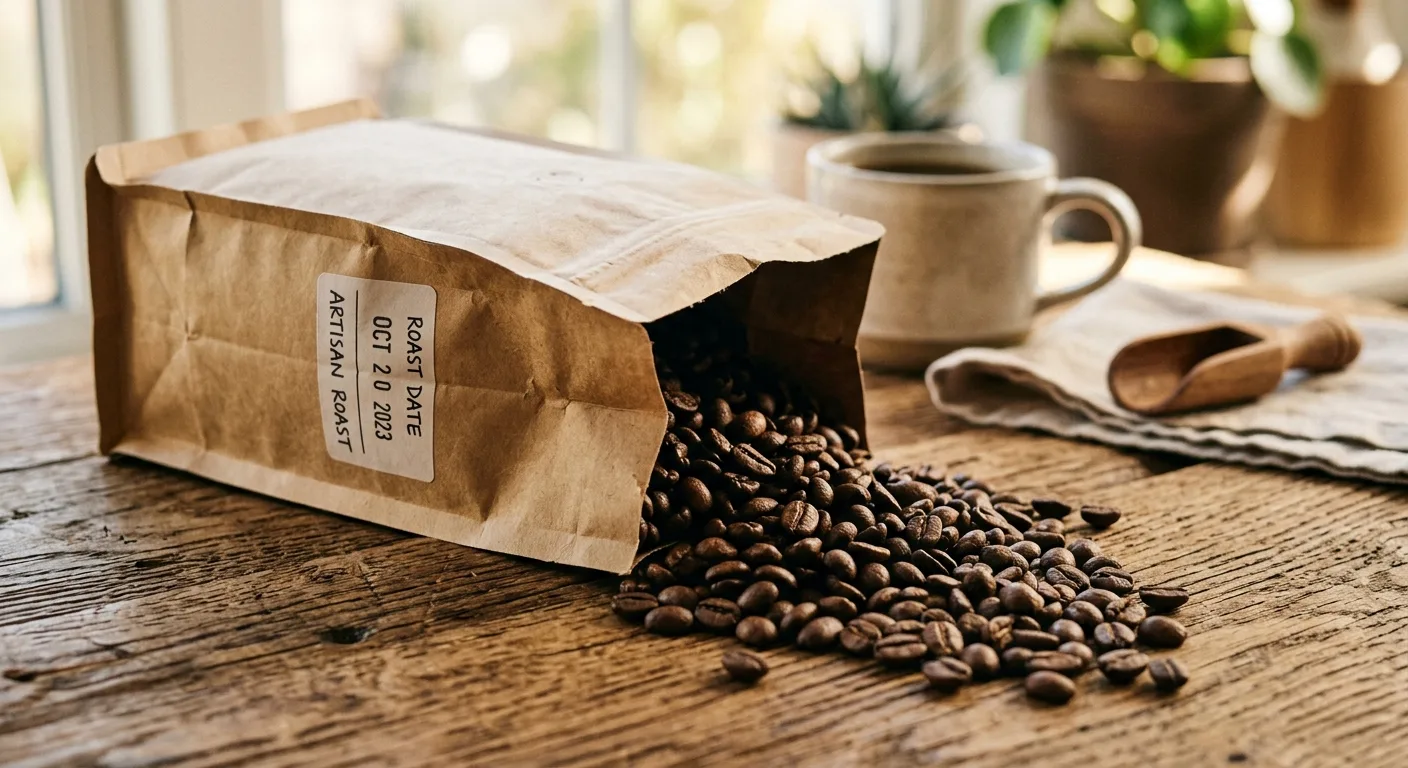
Coffee peaks in flavor between 4 and 14 days after roasting. After that, it slowly goes stale. Look for a roast date on the bag, not just a best-by date. A roast date tells you something real. A best-by date tells you almost nothing.
Store beans in an airtight container, away from light, heat, and moisture. A cool cupboard works well. Avoid the freezer unless you're storing a large quantity you won't open for weeks. Repeated freeze-thaw cycles hurt flavor.
Note: At Diving Moose Coffee, all our coffees are roasted in small batches in Georgia. You can browse our single-origin lineup or check out our most popular roasts to find something fresh and ready to brew.
Match the bean to the method
Light roasts tend to have higher acidity and more delicate fruit or floral notes. They shine in pour-over, Chemex, or drip brewing where those flavors have room to develop. The Condor, our Colombia Sierra Nevada organic medium-light roast, works particularly well this way.
Dark roasts have lower acidity, more body, and flavors that lean toward chocolate, nuts, or caramel. They hold up well in French press, espresso, and cold brew. If you want a reliable dark roast, The Black Leopard is built for espresso but handles French press well too.
Brew method basics
The method you choose changes the texture and flavor profile of the final cup, even if you start with the same beans.
- French press produces a full-bodied, rich cup because the grounds steep directly in water and the metal filter lets oils through.
- Pour-over gives you a cleaner, brighter cup. It takes more attention but rewards you with nuance.
- Drip machine is convenient and consistent when the machine is clean and well-calibrated.
- AeroPress is forgiving, portable, and produces a concentrated cup that's somewhere between drip and espresso.
- Cold brew uses room temperature or cold water steeped for 12 to 24 hours, resulting in low-acidity, smooth coffee. Our Narwhal Cold Brew Blend is ground and blended for exactly this method.
Keep your equipment clean
Coffee leaves behind oils that go rancid over time. A machine or grinder coated in old coffee oil will add a stale, bitter note to every cup you brew. Rinse equipment after each use and do a deeper clean weekly.
For drip machines, run a cycle with a mix of white vinegar and water every month or so. Rinse twice after to clear any vinegar taste. Grinders need a quick brush-out after each use.
Warning: Never run flavored or pre-ground coffee through a burr grinder. Flavored coffees contain oils that gum up burr grinders and are very hard to clean out.
Put it together
Getting a great cup of coffee at home isn't complicated, but it does require some attention to the basics. Start with fresh beans, filtered water at the right temperature, and a grind size that matches your method. Scale your dose. Keep your equipment clean. Adjust one thing at a time until the cup tastes the way you want it to.
If you want fresh, small-batch coffee shipped to your door, browse the most popular roasts at Diving Moose Coffee. Every bag you buy supports wildlife conservation through our WWF partnership.