
Unveiling the Perfection of Specialty Grade Coffee: A Dive into the World of Diving Moose Coffee
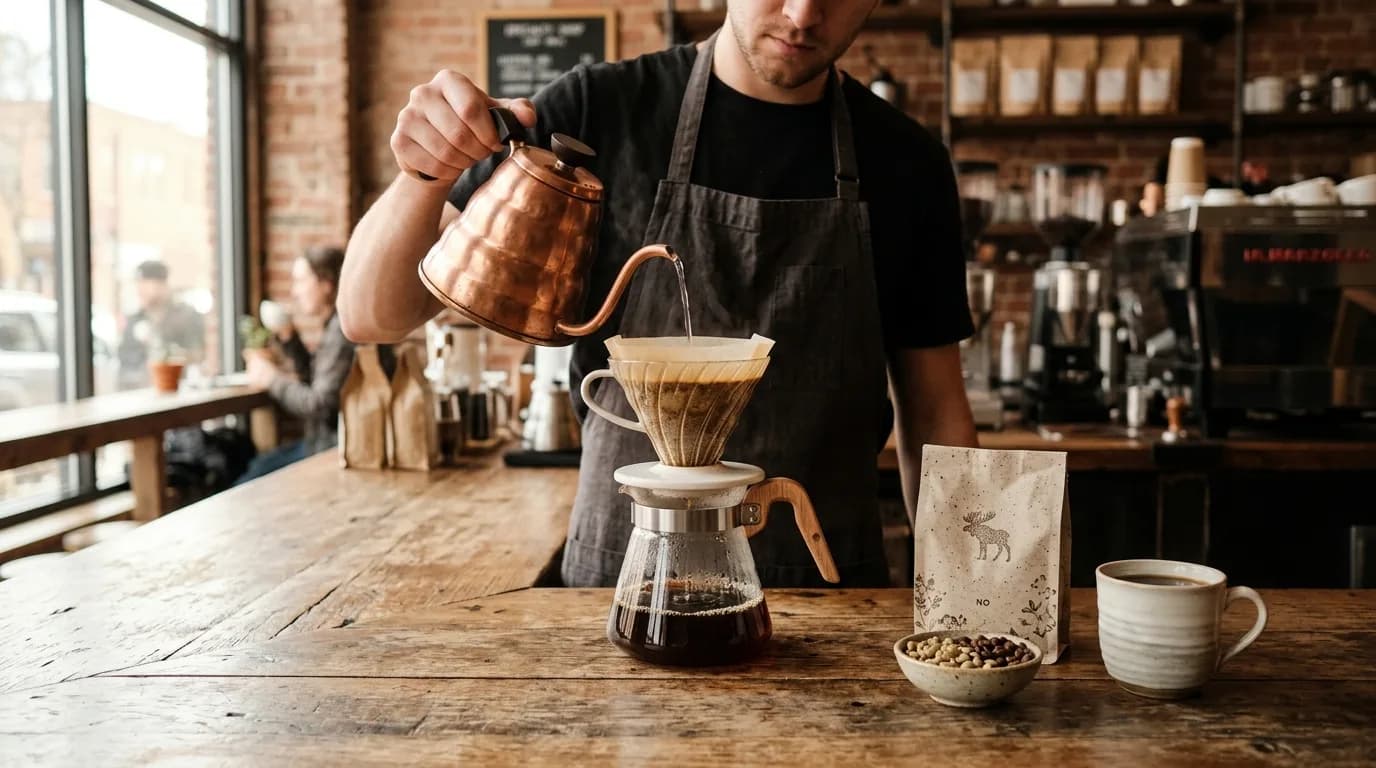
Specialty grade coffee is not a marketing term. It is a specific quality standard, and most coffee sold in grocery stores does not meet it. Here is what that standard actually means, and why it matters for what ends up in your cup.
What specialty grade actually means
The Specialty Coffee Association grades green (unroasted) coffee on a 100-point scale. A coffee must score 80 or higher to qualify as specialty grade. Certified Q Graders, trained and licensed by the Coffee Quality Institute, do the cupping and scoring.
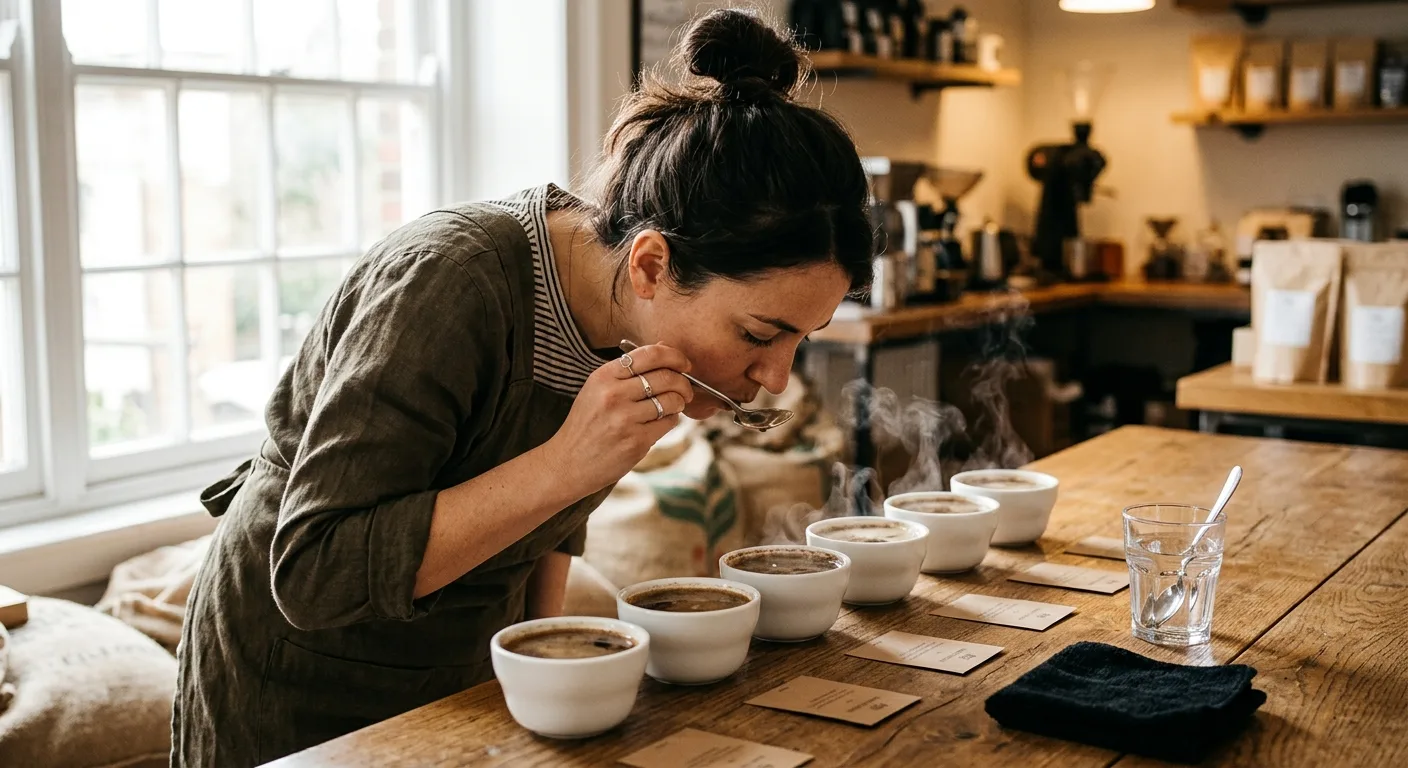
The grading process is detailed. Graders check for primary defects like black beans and sour beans, which are hard disqualifiers. They also count secondary defects, measure moisture content, and evaluate the cup across categories like acidity, body, sweetness, uniformity, and aftertaste. A coffee that passes all of those checks earns the specialty designation. One that does not goes to the commercial or commodity market.
About 3% of all coffee produced globally qualifies as specialty grade. The rest is commercial coffee, which uses lower-quality Robusta or lower-grade Arabica blended for volume rather than flavor.
Why Arabica and why it matters
There are two main commercial coffee species: Arabica and Robusta. Arabica grows at higher elevations, takes longer to mature, and produces a more complex cup. Robusta grows faster, yields more, and is cheaper to produce. It also tends to taste harsher and more bitter.
Almost all specialty coffee is Arabica. The added complexity from slower growth at altitude gives the bean more sugars and acids to develop during roasting. That is what creates the flavor notes you read on a bag, like fruit, chocolate, citrus, or nuts. Those are not added flavors. They come from the bean itself.
How origin shapes the cup
Where a coffee grows changes everything about how it tastes. Soil, altitude, rainfall, and shade all affect the bean's chemistry before it ever reaches a roaster. A coffee from Ethiopia will taste different from one grown in Colombia, even at the same roast level.
| Region | Typical flavor profile | Common roast level |
|---|---|---|
| Ethiopia | Blueberry, citrus, floral | Light to medium |
| Colombia | Caramel, red apple, mild acidity | Medium |
| Brazil | Chocolate, nutty, low acidity | Medium to dark |
| Guatemala | Brown sugar, almond, soft citrus | Medium light |
| Indonesia | Earthy, cedar, dark chocolate | Medium dark to dark |
At Diving Moose Coffee, we source beans from most of these regions and roast them in Georgia as single-origin coffees and small-batch blends. Each one is traceable to a specific farm or cooperative.
Single-origin vs. blends
Single-origin coffees come from one farm, region, or cooperative. They tend to have more distinct, pronounced flavors because nothing is added to round the edges. If you want to taste what makes Ethiopian coffee different from Peruvian coffee, single-origin is the way to do it.
Blends combine beans from two or more origins to build a consistent, balanced cup. A good blend is not a compromise. It is a deliberate choice to achieve a specific flavor profile that no single origin could produce on its own. Our Fennec Fox Medium Roast Blend pulls from Central and South America to create a well-rounded, approachable cup. Our Black Leopard Specialty Espresso Blend layers four beans into a dark roast built for pulling shots.
A coffee that scores 80 or above earned it. Certified graders check every defect, every flavor category, and every measurement before that label means anything.
The role of the roaster
A green coffee can qualify as specialty grade and still taste bad if roasted poorly. The roaster's job is to apply heat in a way that develops the bean's natural sugars and acids without burning them off or under-developing them. Roast too light and the coffee tastes grassy and sharp. Roast too dark and you lose the origin character and get bitterness instead.
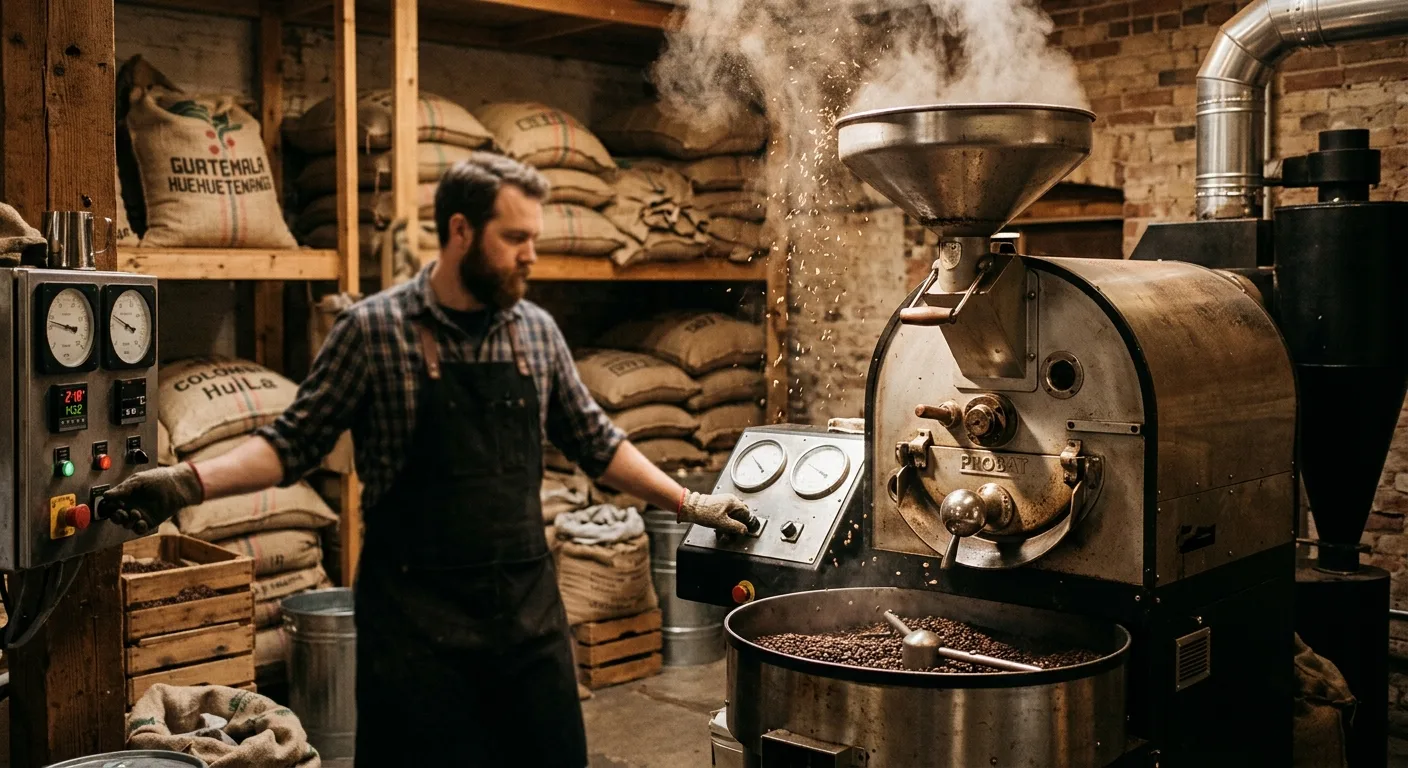
Small-batch roasting helps here. Roasting in smaller quantities gives the roaster more control over airflow, temperature curves, and development time. It also means the coffee moves faster from roast to bag to cup, which matters because freshness is part of what makes specialty coffee taste like specialty coffee.
Check the roast date on any specialty coffee you buy. Freshly roasted beans are best used within two to four weeks of the roast date. A "best by" date alone tells you very little.
Organic and fair trade certification
Specialty grade covers quality. Organic and fair trade certifications cover how the coffee was grown and how the farmers were paid. They are separate standards, but they often overlap at the top end of the market because farmers who invest in quality tend to invest in sustainable practices too.
Several of our coffees carry both certifications. The Nyala Ethiopia Sidamo is a single-origin, organic medium-dark roast with clean, rich flavor from the Sidamo region. You can browse all of our certified options at our Organic and Fair Trade collection.
What to try if you are new to specialty coffee
If you are used to commercial grocery store coffee, the jump to specialty grade can feel like a lot of options. The easiest way to start is with a sample pack. Our 4-Count Most Popular Sample Pack gives you four of our best-selling roasts in 4oz bags so you can compare them side by side before committing to a full bag.
Coffee that supports something bigger
Every bag of Diving Moose Coffee contributes a portion of the purchase to wildlife conservation through our WWF partnership. That does not change the price you pay, but it does mean your morning cup supports something beyond your kitchen. You can explore our full range of Georgia-roasted single-origin coffees or browse our most popular roasts to find a starting point. If you know your preferred origin or roast level, use the comparison table above and go from there.