
Specialty Coffee vs Commercial Coffee: What's Actually Different
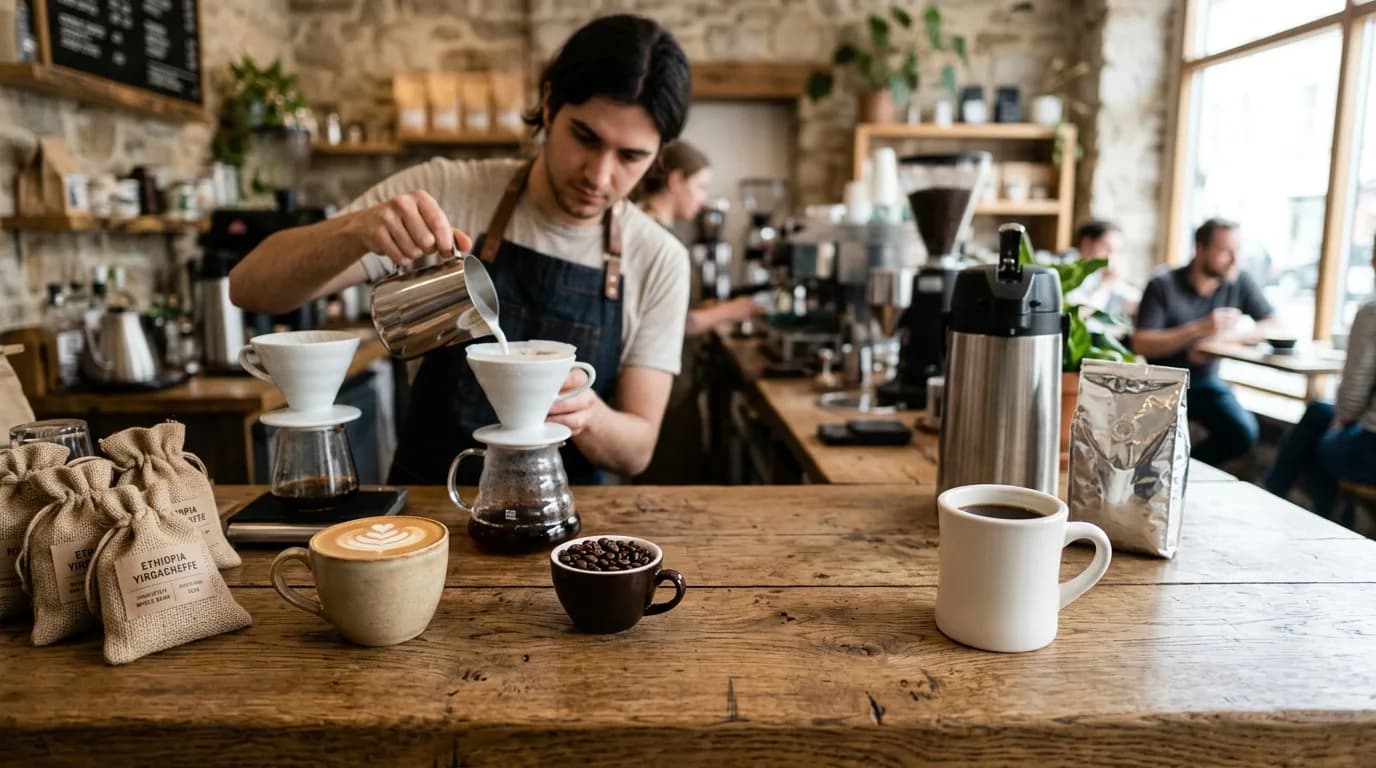
Most people drink coffee every day without thinking much about where it came from or how it was made. But there is a real difference between specialty coffee and the canned stuff on the grocery store shelf, and it shows up in your cup every single time.
What "specialty" actually means
The term specialty coffee is not just marketing. The Specialty Coffee Association (SCA) defines it as coffee that scores 80 points or higher on a 100-point cupping scale, evaluated by a trained taster called a Q Grader. The scoring covers aroma, flavor, aftertaste, acidity, body, balance, and more.
Beans that do not meet that threshold are called commercial or commodity grade. They are not necessarily bad, but they are grown, processed, and traded primarily for volume and price, not flavor.
Where the beans come from
Specialty coffee is almost always single origin, meaning it comes from one country, one region, or even one specific farm. That traceability matters because it ties flavor directly to a place. Soil, altitude, rainfall, and processing methods all shape what ends up in your cup.
Commercial coffee is typically a blend of beans sourced from wherever is cheapest at the time. Consistency is the goal, and the flavor profile is engineered to taste familiar rather than interesting. There is nothing wrong with wanting consistency, but it does put a ceiling on what the coffee can taste like.
How the beans are grown and processed
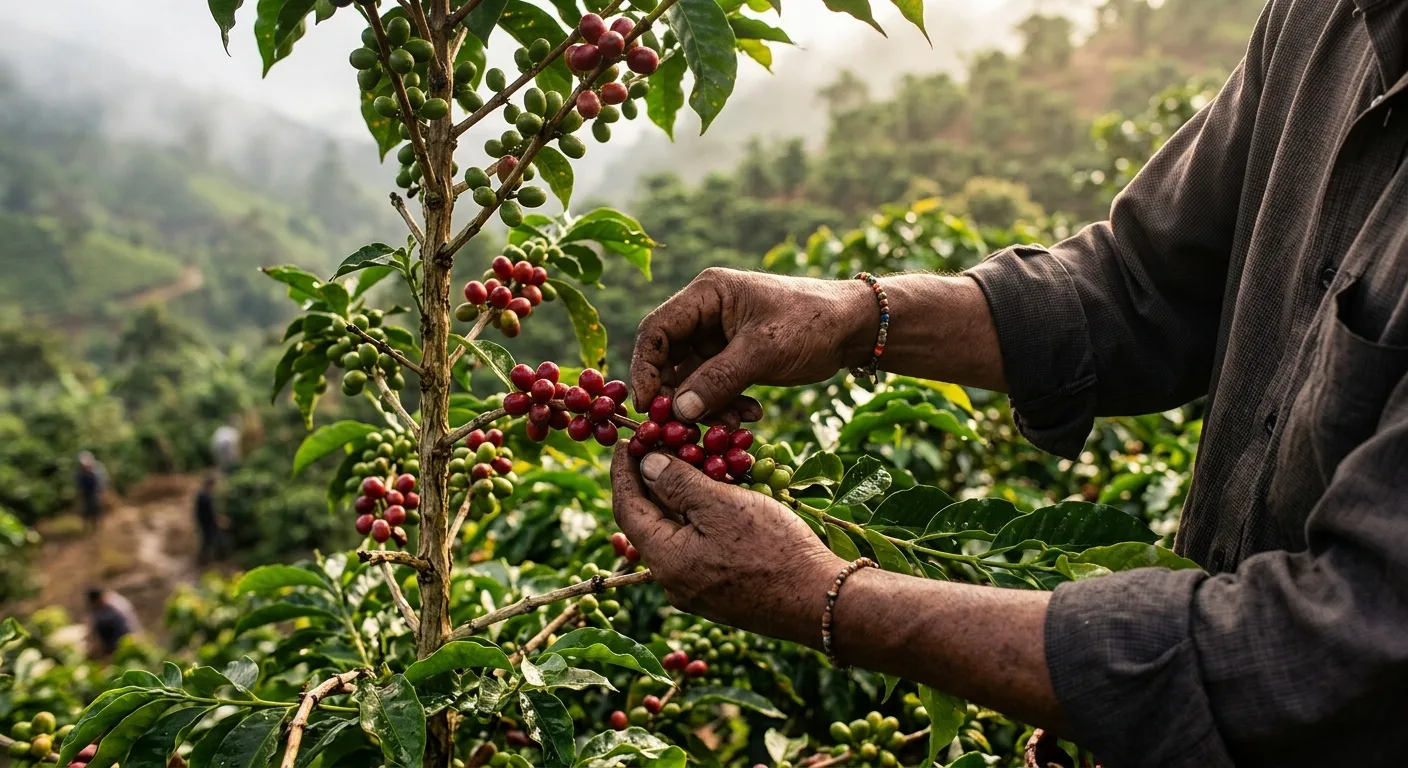
Specialty coffee farmers pay close attention to how the cherry (the fruit around the bean) is harvested and processed. Most specialty coffee uses hand-picking so only ripe cherries are selected. Commercial operations often rely on strip picking, pulling everything off the branch at once regardless of ripeness.
After picking, the beans go through one of several processing methods: washed, natural, or honey. Each one affects flavor significantly. Washed coffees tend to be clean and bright. Natural-processed coffees are fruitier and heavier in body. Honey-processed beans fall somewhere in between. Specialty roasters usually tell you which method was used. Commercial bags rarely do.
Tip: If a coffee bag does not list the origin country, processing method, or roast date, it is almost certainly commodity grade. Those details are standard on specialty packaging.
Roasting and freshness
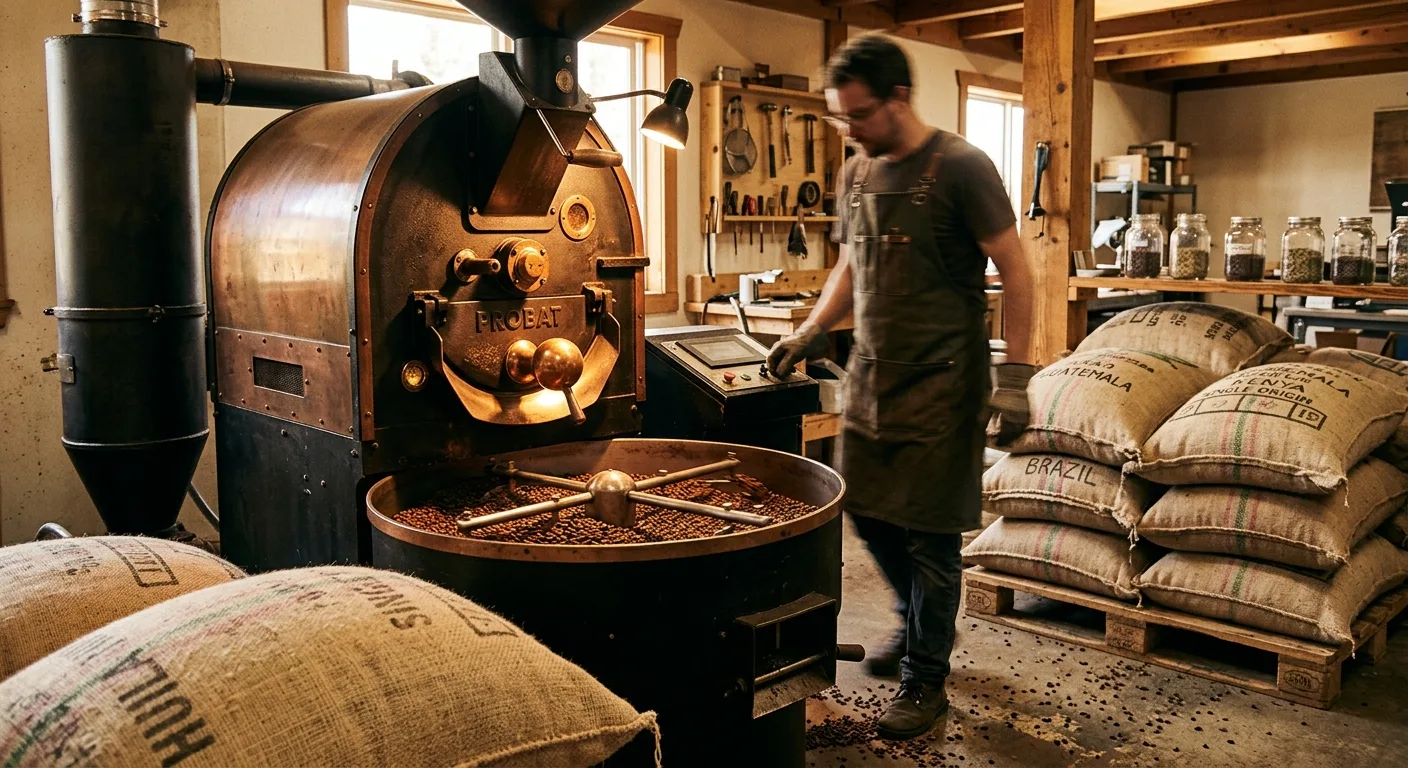
This is where things get interesting. Specialty roasters roast in small batches and pay careful attention to each roast profile, the specific temperature curve used to develop the bean's flavors. Roasters at this level are trying to highlight what makes a particular bean unique, not mask defects with a heavy char.
Commercial coffee is often roasted dark to cover inconsistencies in the green beans. It is also roasted in massive quantities and may sit in a warehouse, on a truck, and on a store shelf for months before you buy it. Coffee goes stale. Once roasted, it starts losing its best flavors within a few weeks.
Specialty roasters are trying to highlight what makes a bean unique. Commercial roasters are trying to hide what does not.
Taste side by side
The easiest way to understand the difference is to taste it. Here is a rough comparison of what you might notice.
| What you notice | Specialty coffee | Commercial coffee |
|---|---|---|
| Aroma | Distinct, often fruity or floral | Generic roasted smell |
| Flavor complexity | Multiple tasting notes, shifts as it cools | Flat, one-dimensional |
| Aftertaste | Clean and pleasant | Bitter or harsh |
| Acidity | Bright and structured | Flat or sharp |
| Body | Varies by origin and roast | Thin or overly heavy |
None of this means specialty coffee is always better for every person. If you take your coffee with a lot of cream and sugar, a complex light roast might not be the right fit. But if you have ever wanted more from your morning cup, specialty is worth trying.
Price and value
Specialty coffee costs more, and there are real reasons for that. Farmers are paid better. Labor-intensive processing methods cost more. Small-batch roasting takes more time and attention. And freshness requires faster turnover.
That said, the price gap is often smaller than people expect. A bag of quality specialty coffee brewed at home will almost always cost less per cup than a daily trip to a coffee shop, and usually less than people assume when they see the bag price.
Note: Diving Moose Coffee is certified 100% Arabica specialty grade across all its single-origin offerings. A portion of every purchase goes toward wildlife conservation through a WWF partnership.
Where to start
If you want to try specialty coffee without committing to a full bag of something unfamiliar, the 4-Count Most Popular Sample Pack from Diving Moose Coffee is a good place to start. Four different 4oz bags let you taste across roast levels and origins before you settle on a favorite.
If you already know you like medium or medium-dark roasts, our most popular roasts are a solid starting point. Each one lists the origin, the processing method, and the roast date, exactly the kind of detail that separates specialty from everything else on the shelf.
And if you want to explore by region, the Georgia Roasted Single Origin Coffees collection covers everything from bright Ethiopian naturals to earthy Indonesian medium-darks. Pick a region you are curious about and start there.