
Understanding Sustainable Coffee Sourcing
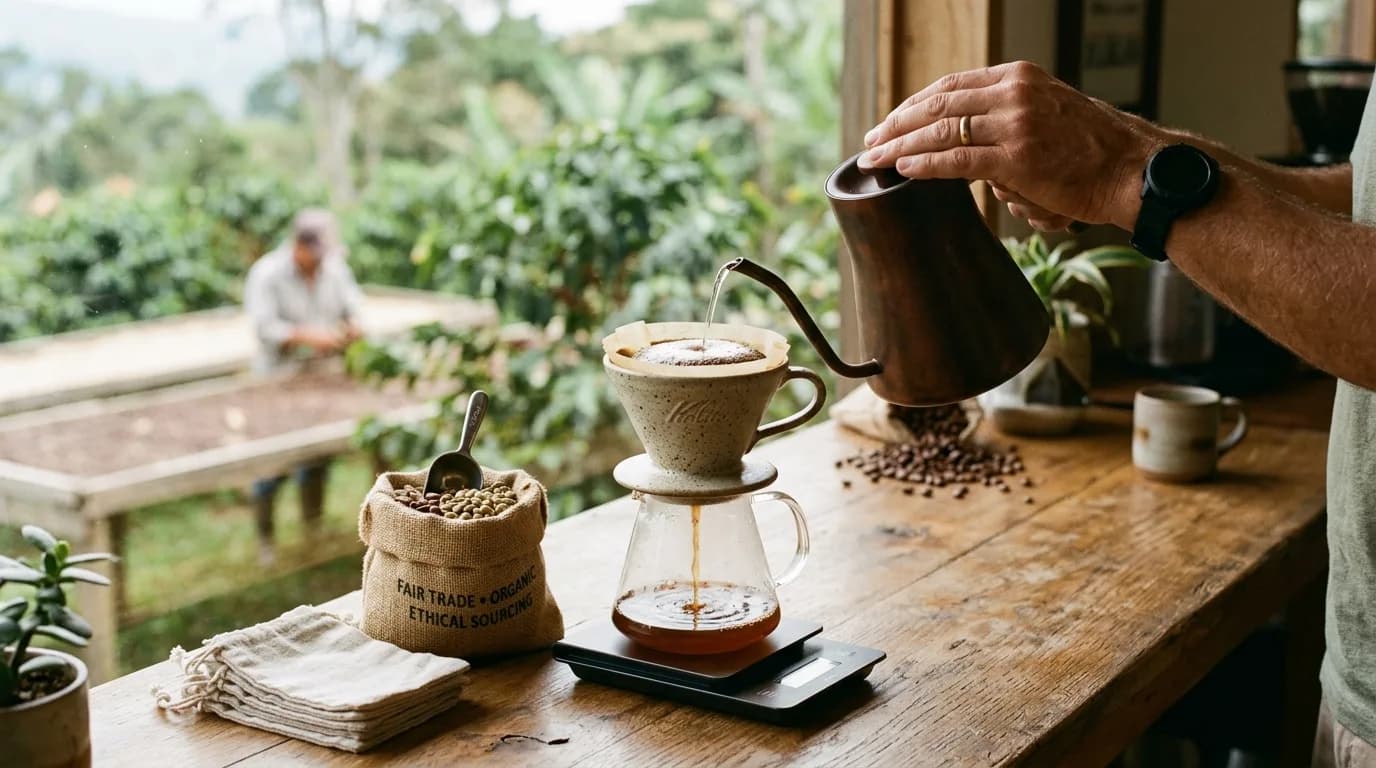
Sustainable coffee sourcing gets talked about a lot, but the phrase covers a wide range of practices, some meaningful and some mostly marketing. Here is what it actually involves, how to spot it, and why it makes a difference to the cup in your hand.
The supply chain most people never think about
Coffee travels a long way before it reaches your cup. It is grown, harvested, processed, exported, imported, roasted, and finally brewed. At each step, decisions get made about cost, speed, and quality. Sustainable sourcing is about making those decisions in ways that do not damage the people or places involved.
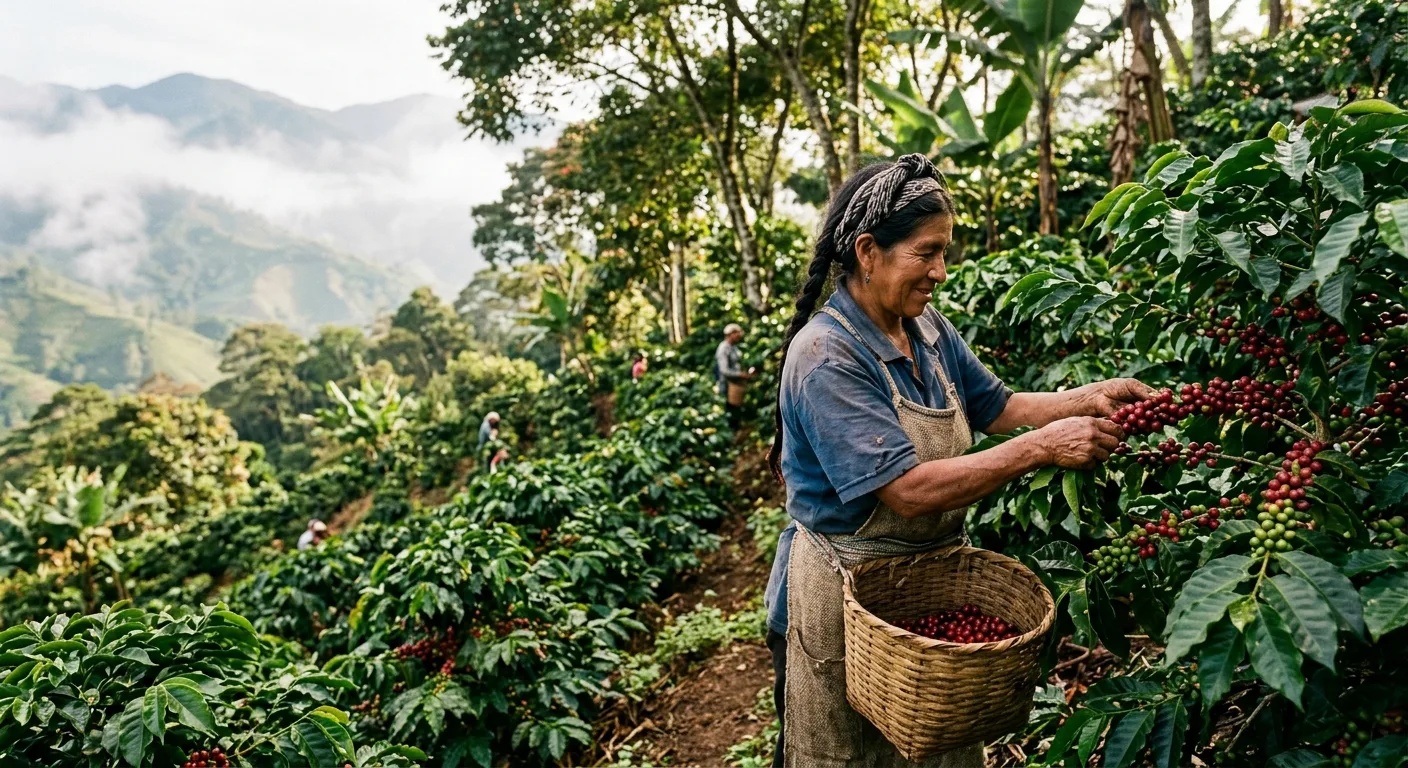
Most conventional coffee is traded as a commodity, meaning it is priced on global markets with little connection to the actual cost of producing it. When market prices drop, farmers absorb the loss. Sustainable sourcing tries to break that cycle by paying prices tied to quality and relationship rather than just commodity markets.
What certifications actually tell you
Certifications are a useful starting point. They set minimum standards that third parties verify. But they are not a guarantee of exceptional quality or a perfect supply chain.
| Certification | What it covers | What it does not cover |
|---|---|---|
| Organic | No synthetic pesticides or fertilizers | Farmer wages, labor conditions |
| Fair Trade | Minimum price floors, community premiums | Farm-level environmental practices |
| Rainforest Alliance | Biodiversity, worker welfare, farm management | Specific price guarantees |
| Direct Trade | Roaster-farmer relationship, often above fair trade pricing | No third-party verification standard |
No single label covers everything. The strongest sourcing programs combine several of these elements or go beyond them through direct relationships with farms.
Why shade-grown and high-altitude farming matter
Coffee grown under a canopy of shade trees develops more slowly. That slower development allows sugars and acids to build in the bean, which usually means more complex flavor. Shade trees also support bird populations, protect soil from erosion, and reduce the need for chemical inputs.
High-altitude growing regions, typically above 1,200 meters, produce similar results. The cooler temperatures slow the cherry's ripening, and the result is a denser bean with more nuanced flavor. That is why you will often see elevation listed on specialty coffee bags, it is a real indicator of quality.
When reading a coffee label, look for specific farm or region names, altitude, and processing method. Vague language like "premium beans" or "ethically sourced" without detail is not meaningful information.
The human side of sustainability
Environmental practices and farmer income are connected. When farmers earn enough to invest in their land, they can afford to maintain soil health, pay workers fairly, and pick only ripe cherries. Underpaid farmers often cut corners because they have no choice.
Fair pricing also keeps farming communities stable. In regions where coffee income is not reliable, younger generations leave for cities, and the knowledge of how to grow and process coffee well gets lost. Sustainable sourcing is partly about keeping that knowledge and those communities intact.
When farmers earn enough to invest in their land, the quality of what they grow tends to follow.
Single-origin coffee and traceability
Single-origin coffees come from one identifiable place, whether that is a country, a region, or a specific farm. That specificity makes it easier to trace where the coffee came from and under what conditions it was grown.
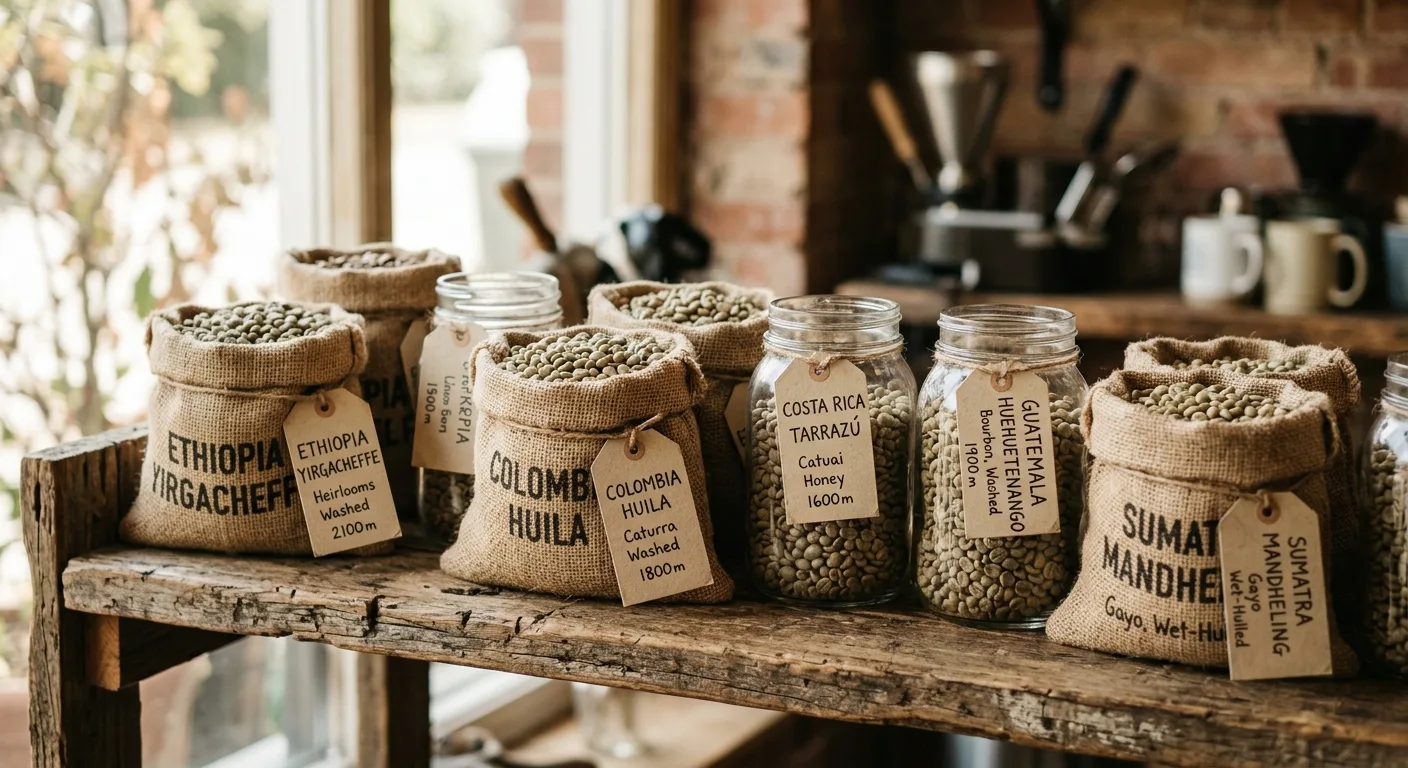
Blends are not automatically less sustainable, but traceability is harder to verify when beans from multiple origins are combined. For buyers who care about sourcing, single-origin is often the clearer choice.
At Diving Moose Coffee, every coffee in our single-origin collection comes from a named region with sourcing information we can stand behind. The Condor, our Colombia Sierra Nevada Organic, is certified organic and grown in a biodiverse highland region. The Nyala, our Ethiopia Sidamo Organic, comes from one of the most storied growing regions in the world, where coffee farming goes back centuries.
Diving Moose Coffee donates a portion of every purchase to wildlife conservation through our WWF partnership. Sustainable sourcing and conservation are two sides of the same commitment for us.
Organic and fair trade as a floor, not a ceiling
Our organic and fair trade certified coffees meet verified third-party standards, but we treat those certifications as a starting point. The more important questions are where the coffee came from, who grew it, and whether the price paid reflects the quality and effort involved.
That is why we focus on specialty-grade arabica beans. Specialty grade means the coffee scored 80 points or above on a 100-point scale assessed by a certified Q Grader. That standard pushes sourcing toward high-quality farms that take care of their product.
How to make more informed choices
You do not need to become an expert to buy better coffee. A few simple habits make a real difference.
- Look for specific origin information on the bag, country, region, or farm name
- Check for organic or fair trade certification as a baseline
- Choose roasters who publish sourcing details and work directly with farms
- Buy single-origin when traceability matters to you
- Try a sample pack if you want to explore different origins before committing to a full bag
If you want to start somewhere concrete, our 4-Count Most Popular Sample Pack includes four of our best-selling coffees across different origins and roast levels. It is a low-commitment way to find what you actually like while supporting farms and conservation at the same time.