
Americano vs Lungo vs Espresso vs Drip Coffee: What's Actually Different?
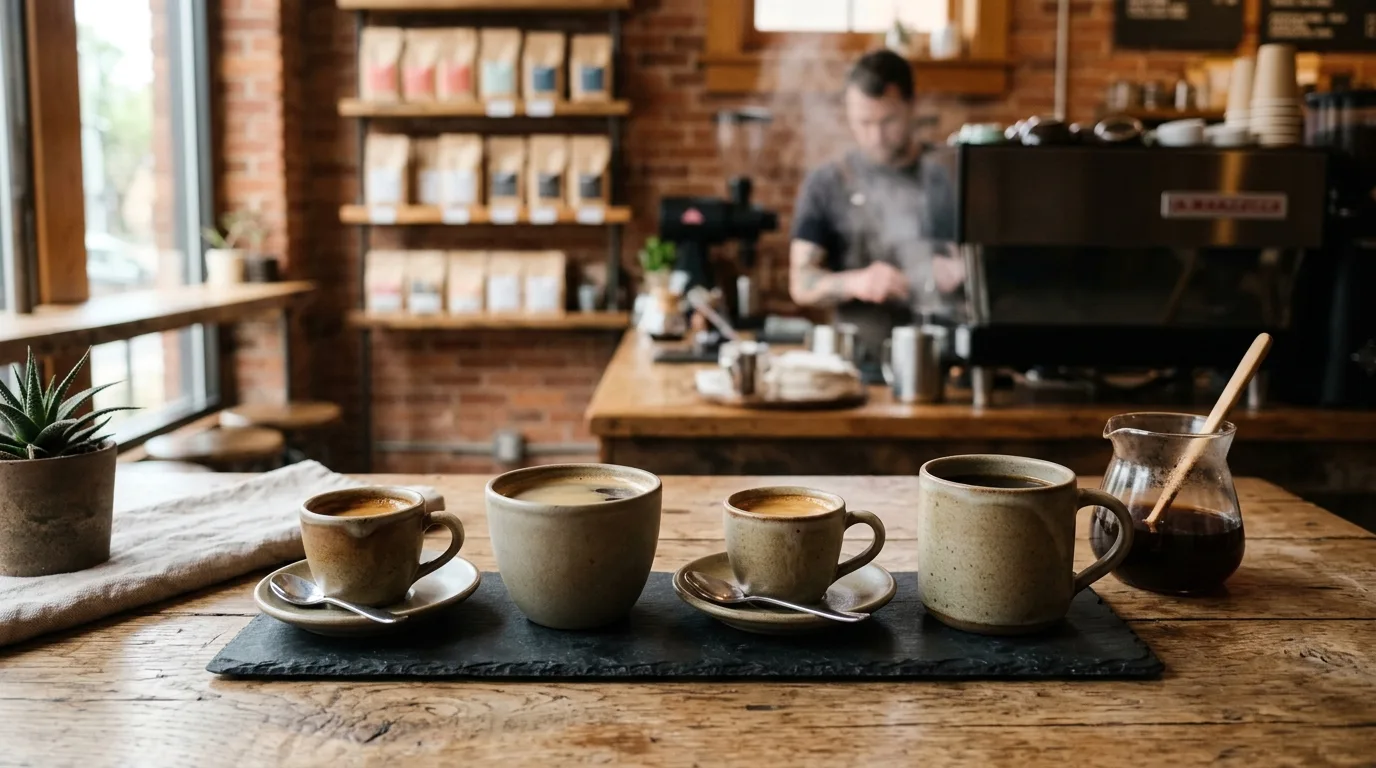
These four drinks look similar in the cup. Two of them even share the same machine. But they taste different, they're made differently, and they're not interchangeable. Here's what actually sets them apart.
Espresso: the starting point
Espresso is brewed by pushing hot water through finely ground coffee under high pressure, usually around 9 bars. The result is a small, concentrated shot with a thick body and a layer of reddish-brown crema on top. A standard single shot is about 1 oz.
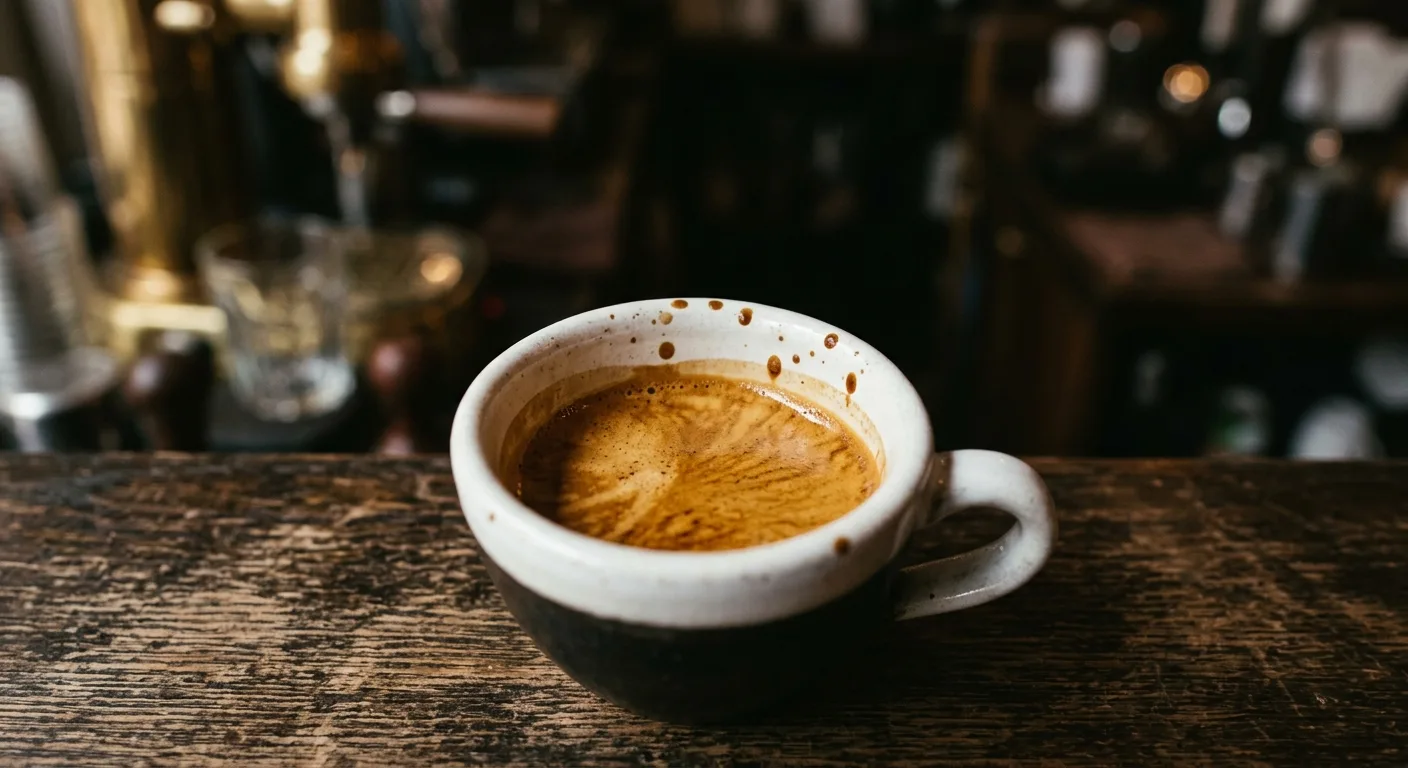
The grind for espresso is very fine, close to the texture of powdered sugar. Extraction time is short, typically 25 to 30 seconds. That fast, pressurized pull draws out a lot of flavor from very little coffee, which is why espresso tastes so intense.
Americano: espresso plus water, in the right order
An Americano starts with one or two shots of espresso. You then add hot water to fill the cup, usually in a 1 to 2 ratio of espresso to water, though this varies by preference. The espresso goes in first, then the water on top.
The result is a drink that's roughly the same volume as a drip coffee but has a noticeably different flavor. You still get the concentrated characteristics of espresso, including its slight bitterness and dark chocolate notes, just spread across a larger drink. The crema floats to the top and thins out a little.
If your Americano tastes flat, try reversing the order. Pour the hot water into the cup first, then add the espresso on top. Some people find this keeps the crema more intact.
Lungo: more water, during extraction
A lungo is often confused with an Americano, but the difference is significant. With a lungo, you don't add water after the shot. You run more water through the grounds during extraction, usually pulling about 3 to 4 oz instead of the standard 1 oz.
Because the water spends more time in contact with the grounds, a lungo extracts different compounds than a standard espresso shot. It pulls more of the lighter, more bitter notes and less of the heavier oils. The result is a longer, thinner shot that's less intense than espresso but more bitter than an Americano.
A lungo isn't a diluted espresso. It's a different extraction, and it tastes like one.
Drip coffee: a completely different method
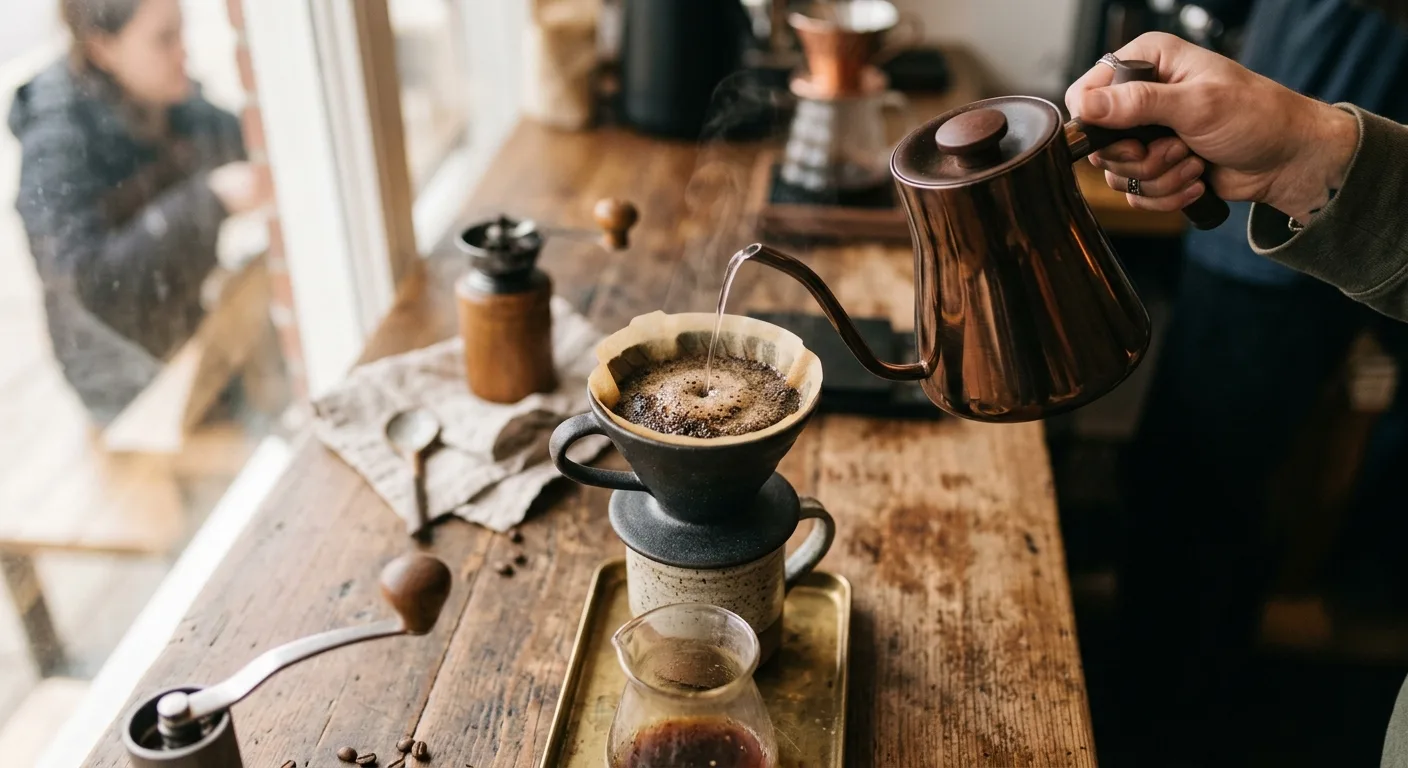
Drip coffee doesn't use pressure at all. Hot water passes through medium-ground coffee by gravity, either in an automatic drip machine or a manual pour-over setup. Brew time is much longer, usually 4 to 6 minutes, and the resulting cup is much larger, typically 8 to 12 oz.
Without pressure, drip coffee extracts different flavor compounds than espresso. The body is lighter, the flavors are cleaner, and the drink is less concentrated. Origin flavors tend to come through more clearly in drip, which is why pour-over has become a popular method for showcasing single-origin beans.
Side-by-side comparison
| Method | Water added | Pressure used | Volume | Intensity |
|---|---|---|---|---|
| Espresso | Minimal (through grounds) | Yes, ~9 bar | ~1 oz | Very high |
| Lungo | More through grounds | Yes, ~9 bar | ~3 to 4 oz | Medium-high, more bitter |
| Americano | Added after shot | Yes (for the shot) | ~6 to 8 oz | Medium |
| Drip | Poured through grounds | No (gravity) | ~8 to 12 oz | Low to medium |
Grind size matters more than people think
Each method needs a different grind. Espresso and lungo both use a very fine grind. Drip coffee uses a medium grind, closer to coarse sand. Using the wrong grind for your method will either under-extract (sour, weak) or over-extract (harsh, bitter) your coffee.
Don't use espresso-ground coffee in a drip machine. The fine grind slows water flow and leads to over-extraction, which makes the cup taste harsh and astringent.
Which bean works best for each?
Espresso-based drinks, including the Americano and lungo, traditionally use darker roasts because the pressure extraction amplifies bold, roasty characteristics. But medium-dark roasts work very well too, especially if you want more complexity in the cup.
For drip, medium to medium-light roasts tend to shine. The slower, unpressurized extraction has time to pick up more delicate flavors, including fruit, floral notes, and brightness. A single-origin bean from Ethiopia or Colombia can taste completely different in a pour-over compared to an espresso shot.
At Diving Moose Coffee, The Black Leopard is a four-bean dark roast designed specifically for espresso drinks. It pulls a thick, full-bodied shot and holds up well as an Americano. If you prefer something with a little more nuance in the espresso, The Whale Shark is an organic medium-dark blend that works nicely across both espresso and drip. For pour-over or drip brewing, our single-origin coffees are worth exploring, especially the lighter-roasted options from Africa and Central America.
Which one should you be drinking?
If you want the most concentrated flavor in the smallest cup, espresso is it. If you want something closer to drip size but with espresso character, go with an Americano. If you're curious about how over-extraction changes a shot, try a lungo. And if you want something easy to brew at home with clean, nuanced flavor, drip is hard to beat.
The best starting point is usually to figure out the body and intensity you like, then match the method to that. From there, the bean you pick makes the rest of the difference. You can browse our most popular roasts if you're not sure where to start.