
Single Origin vs Blend Coffee: Which Should You Buy?
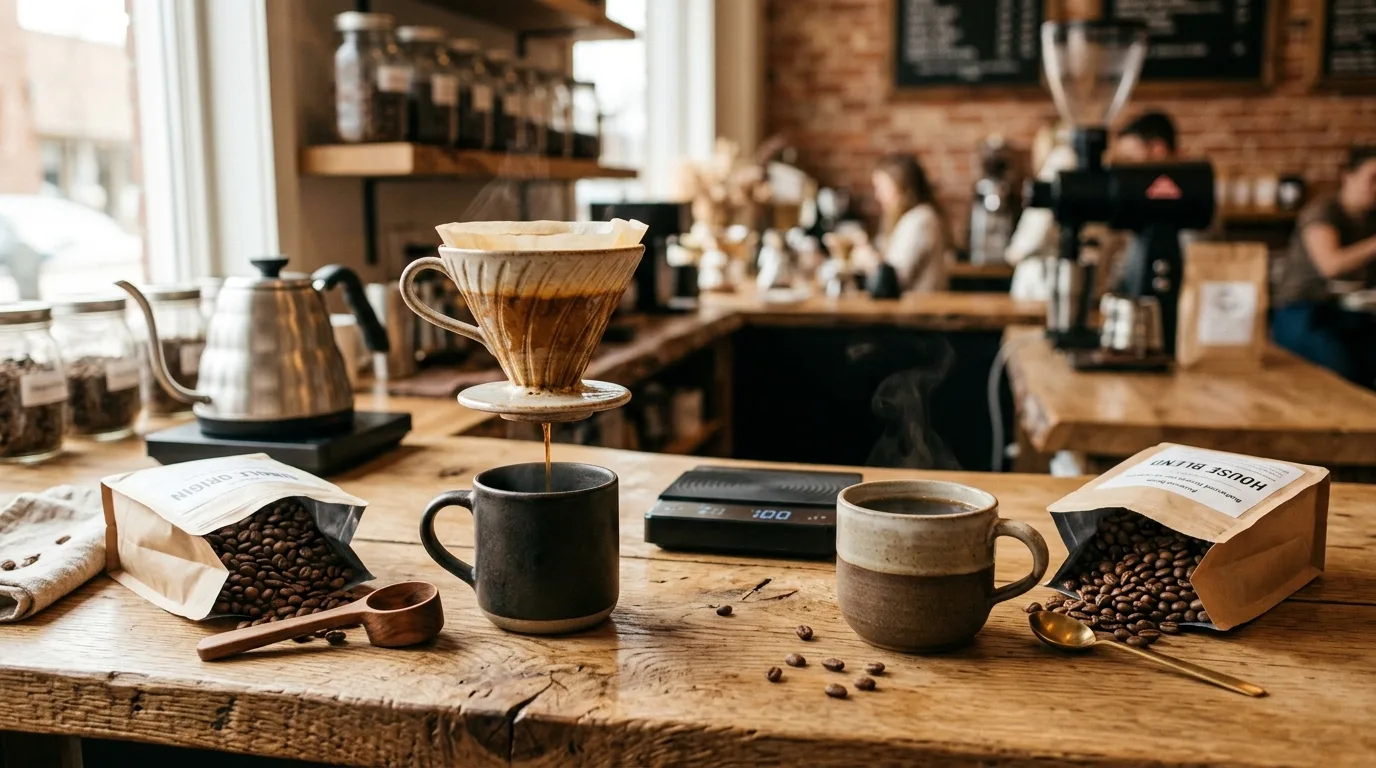
Both single origin and blended coffee have passionate fans, and both can produce a genuinely great cup. The choice mostly comes down to what you want from your coffee and how you like to brew it.
What single origin actually means
Single origin coffee is sourced from one specific place. That could be a single farm, a cooperative, or a defined growing region within one country. The idea is traceability: you know where the coffee came from and, often, who grew it.
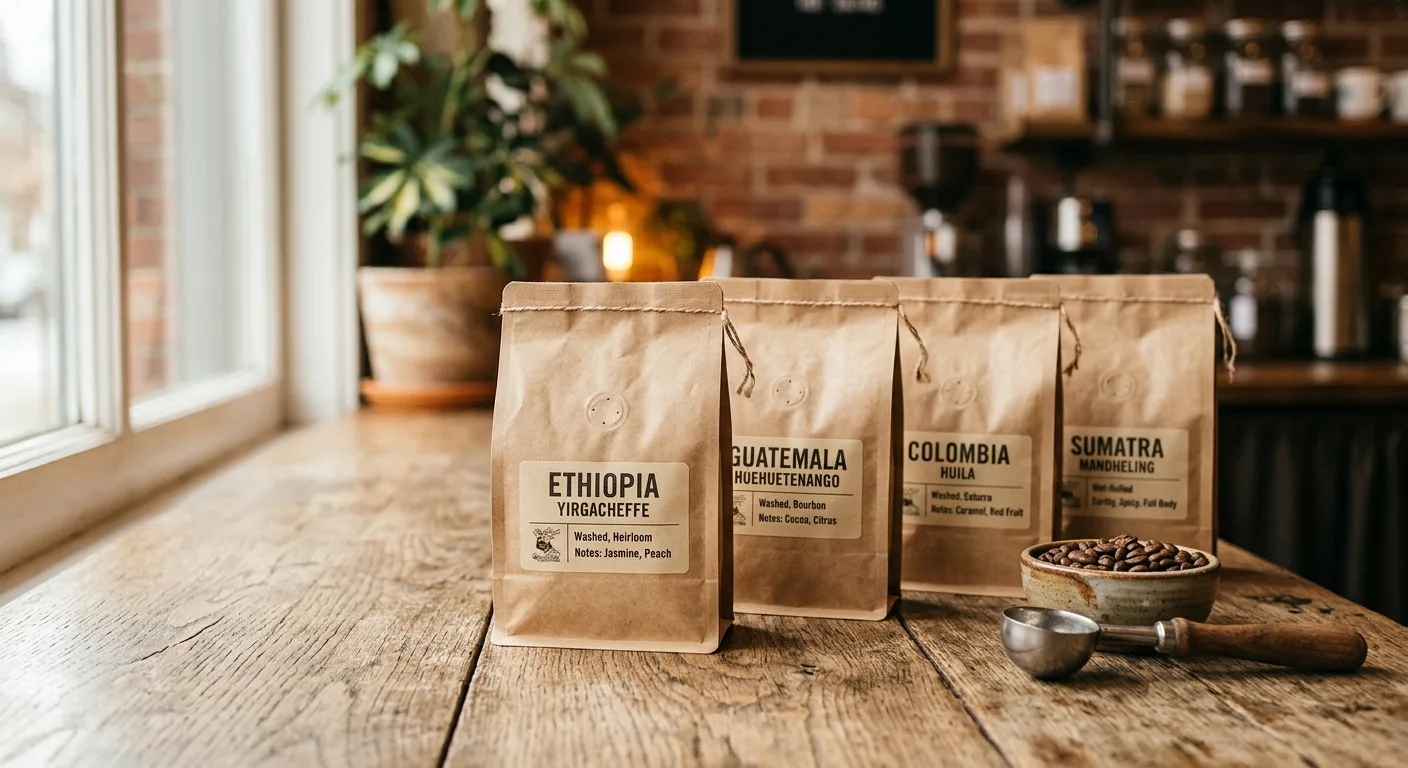
Because the beans all share the same soil, altitude, and microclimate, the cup tends to express a distinct flavor character. An Ethiopian Sidamo might carry bright berry notes and a floral finish. A Papua New Guinea might be earthy and full-bodied. These are real differences driven by geography, not marketing.
If you want to taste how much geography affects coffee, try brewing the same single origin as a pour-over and then as a French press. The two cups can taste almost like different coffees.
What a blend actually means
A blend is a recipe. A roaster combines beans from two or more origins to build a specific flavor profile that holds up cup after cup. The goal is consistency and balance, not novelty.
Good blends are not a shortcut or a way to hide inferior beans. Roasters who do it well spend real time dialing in ratios. The result is a coffee that tastes the same every time you buy it, regardless of seasonal variation in any single crop.
A good blend is a recipe built to be reliable. A good single origin is a snapshot of one place at one moment in time.
How flavor differs between the two
Single origin coffees tend to have more pronounced, sometimes unexpected flavors. Bright acidity, specific fruit notes, or unusual sweetness are common. That distinctiveness is the point.
Blends are usually smoother and more familiar. They are engineered to balance acidity, body, and sweetness so nothing sticks out. That is not a flaw. For a lot of people, that balance is exactly what they want every morning.
| Single Origin | Blend | |
|---|---|---|
| Flavor | Distinct, sometimes bold or unusual | Balanced and consistent |
| Traceability | High | Lower (multiple sources) |
| Consistency | Varies season to season | Stable across batches |
| Best for | Pour-over, AeroPress, filter | Espresso, drip, everyday use |
| Price | Often higher | Usually more accessible |
Which brewing method works best with each
Single origin coffees tend to do well with methods that highlight clarity. Pour-over, AeroPress, and Chemex all slow the process down and let the individual flavors come through. If the bean has something interesting to say, these methods let it speak.
Blends are often a better fit for espresso. Espresso is an intense, concentrated extraction, and a blend built for it will hold together under pressure. Many roasters specifically craft espresso blends for this reason. A delicate single origin can turn bitter or thin when pulled as a shot.
There are exceptions. Some single origins pull beautifully as espresso, especially naturals with a lot of body. It is worth experimenting if you are curious.
What Diving Moose Coffee offers in both categories
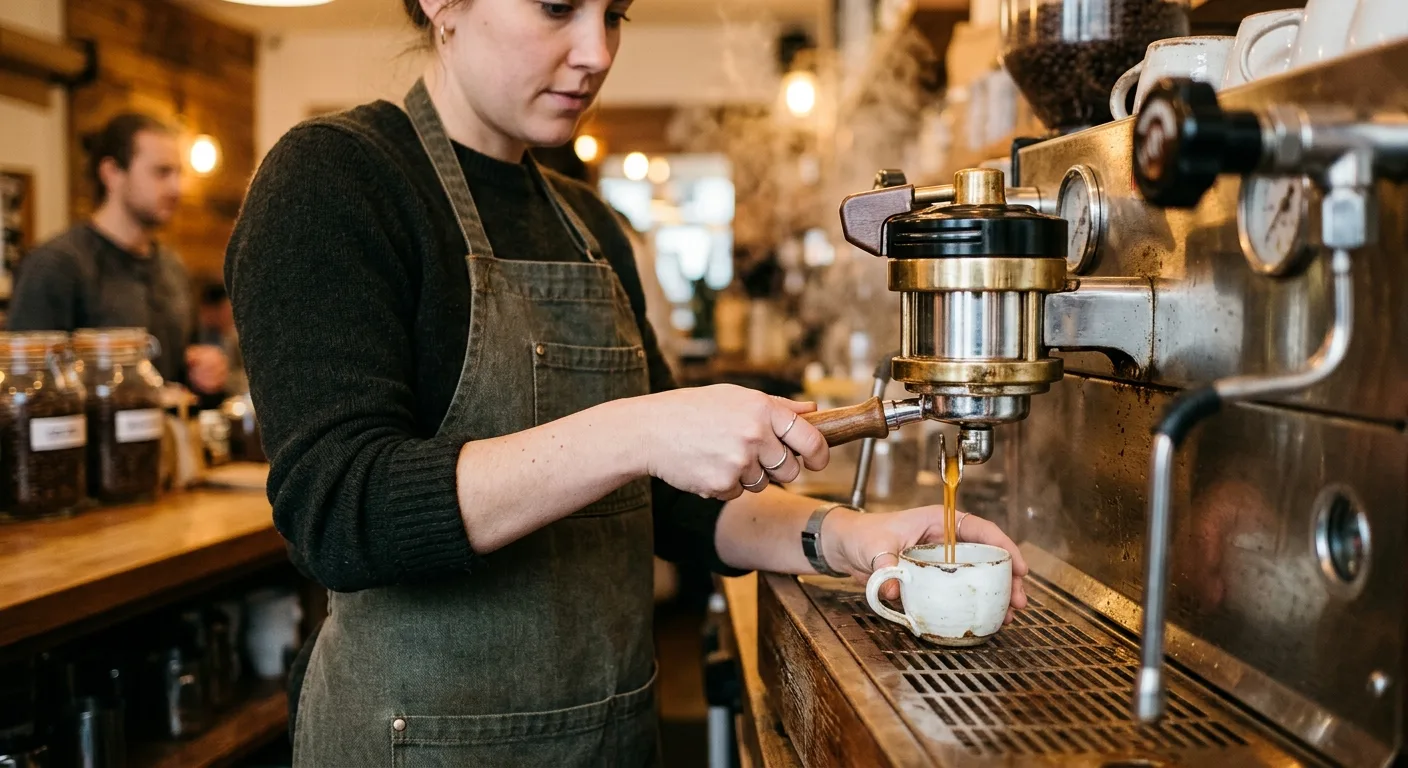
At Diving Moose Coffee, we roast both in small batches out of Georgia. Each product is named after a wildlife species, and a portion of every purchase goes to wildlife conservation through our WWF partnership.
On the single origin side, The Nyala is an organic medium-dark roast from Ethiopia Sidamo with deep, complex character. The Condor is a medium-light single origin from Colombia's Sierra Nevada region, bright and clean with good structure. If you want something from the Pacific, the Jimothy Roast is an organic medium-dark from Indonesia Flores Bajawa with earthy, rich depth.
For blends, The Red Panda is our medium-light house blend and a good daily driver. The Diving Moose Signature Blend is a medium-dark with more weight and body. And The Black Leopard is a four-bean dark roast built specifically for espresso drinks.
If you are not sure where to start, our most popular roasts are a reasonable place to pick something and try it.
So which should you buy
If you want to explore what coffee can taste like from different parts of the world, start with single origins. Brew them as pour-overs. Pay attention to what makes each one different.
If you want a reliable cup that tastes the same every morning without much thought, a well-made blend is the smarter choice. It is consistent by design.
- New to specialty coffee: try a house blend first to get your bearings.
- Curious about origins: pick one single origin and stick with it long enough to really understand it.
- Mostly making espresso drinks: look at blends built for that purpose.
- Want to do both: nothing stops you. A lot of coffee drinkers keep one of each on hand.
The best coffee is the one you actually enjoy drinking. Both categories can get you there.