
Best Instant Specialty Coffee Brands to Try in 2026
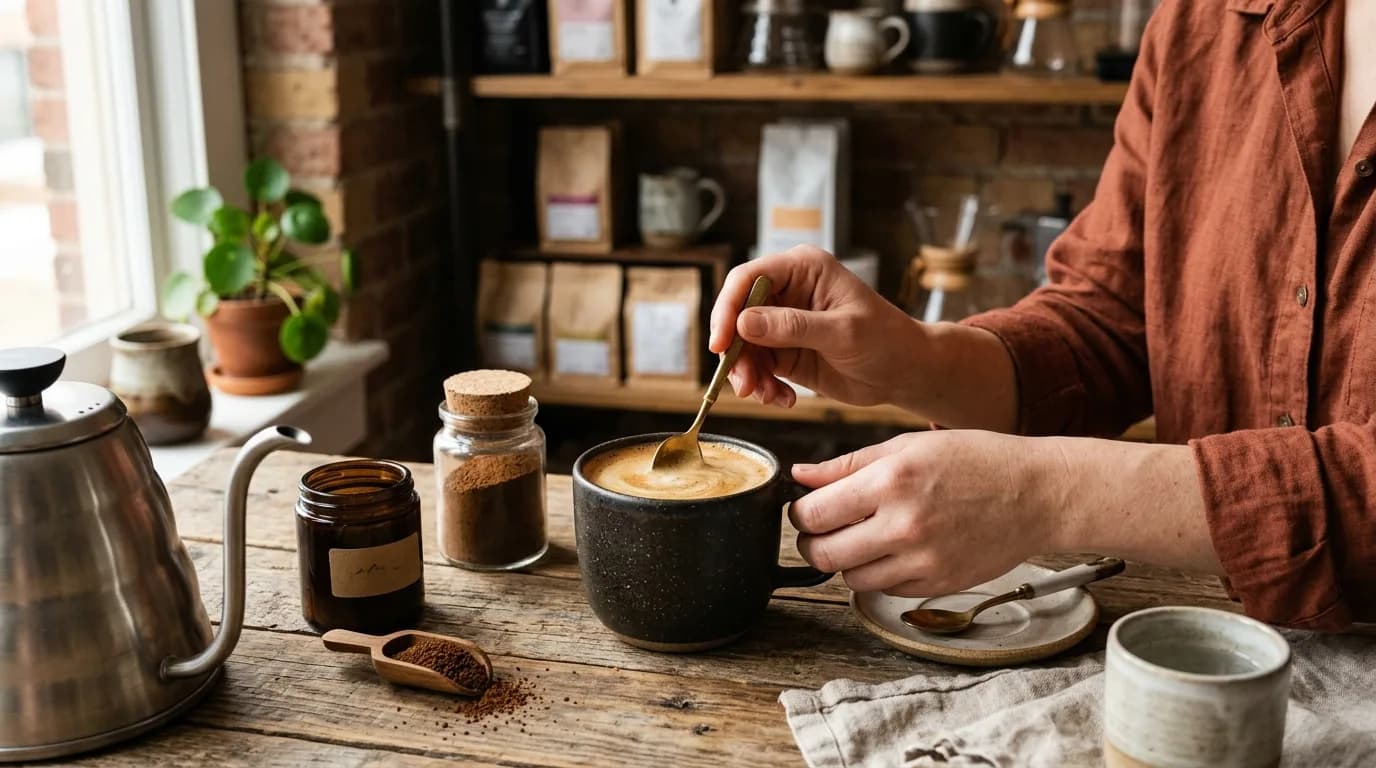
Instant coffee has changed. The freeze-dried, papery stuff your grandparents kept in a tin is not what's on shelves today. Specialty roasters are now making instant coffee from the same high-quality beans they use for their pour-overs, and the results are genuinely worth drinking.
What makes instant specialty coffee different
Most grocery-store instant coffee is made from robusta beans, which are cheap, high-yield, and harsh. Specialty instant starts with arabica beans, often single-origin, roasted and brewed before the liquid is concentrated and dried. The key step is freeze-drying: the brewed coffee is frozen and then the water is removed under vacuum. This locks in more of the volatile compounds that give coffee its aroma and brightness.
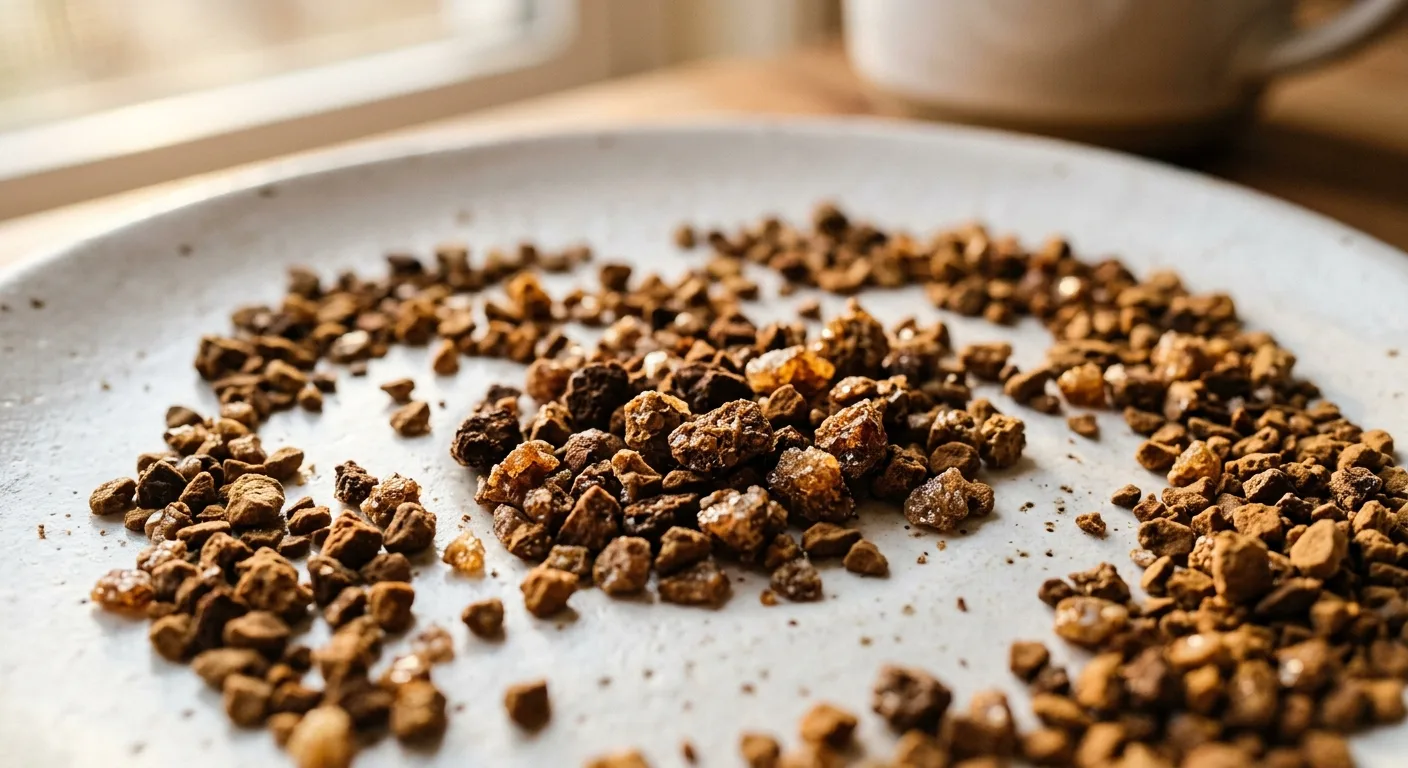
Spray-drying is faster and cheaper. It blasts liquid coffee through hot air, which strips out a lot of the nuance. When you see "freeze-dried" on a package, that matters. It's not just marketing.
When comparing instant coffees, look for three things on the packaging: the bean origin, the roast level, and the processing method (freeze-dried vs. spray-dried). Those three details tell you almost everything you need to know before you buy.
Brands worth trying in 2026
The specialty instant category has grown fast, and there are now several consistent options. Here's how the most talked-about brands compare across a few key factors.
| Brand | Origin | Method | Roast level | Notes |
|---|---|---|---|---|
| Diving Moose Coffee (The Sea Turtle) | Papua New Guinea | Freeze-dried | Medium | 27 servings, rich and delicate, single-origin |
| Waka Coffee | Colombia or India | Freeze-dried | Light to medium | Widely available, consistent quality |
| Swift Cup Coffee | Various single-origins | Freeze-dried | Light to medium | Small-batch, rotating origins |
| Sudden Coffee | Various | Freeze-dried | Light | Subscription-based, specialty focused |
| Mount Hagen | Papua New Guinea / blend | Freeze-dried | Medium | Organic, fair trade, widely available |
Each of these is a step above commodity instant. But they're not all doing the same thing. Some prioritize rotating single-origins. Others focus on consistency and availability. What you value in your daily cup will point you toward the right one.
The best instant coffee isn't a compromise. It's just coffee made for a different kind of morning.
The Sea Turtle from Diving Moose Coffee
The Sea Turtle is our freeze-dried instant coffee, sourced from Papua New Guinea and roasted to a medium profile. Papua New Guinea beans are known for a clean body with mild earthiness and a gentle sweetness, and the freeze-drying process keeps those qualities intact. Each packet makes a proper cup, not a watered-down version of one.
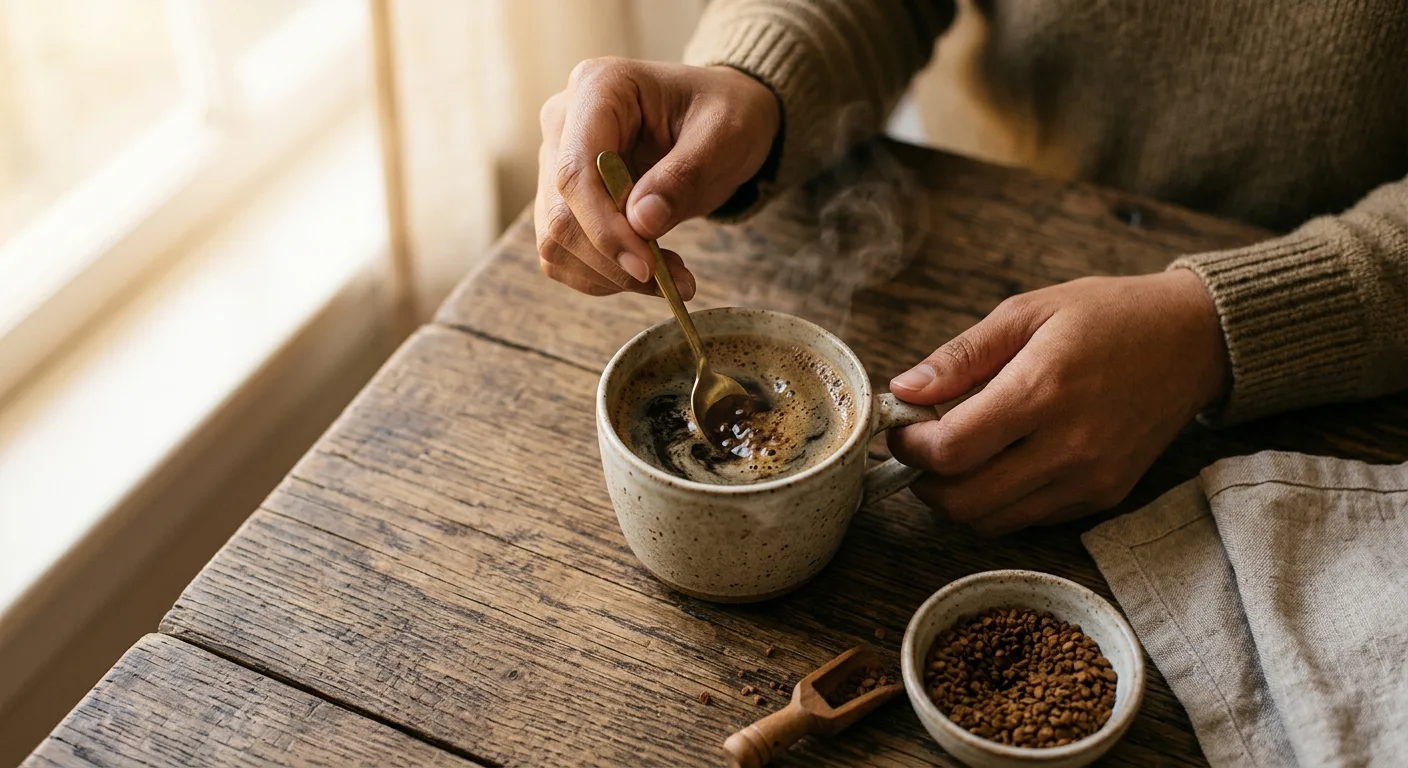
It comes in 27 servings per bag, which makes it good value for a specialty product. If you travel often, camp, or just want a reliable backup when your grinder is being cleaned, this is worth keeping around. And like everything we sell, a portion of every purchase goes to wildlife conservation through our WWF partnership.
The Sea Turtle works well both hot and cold. For iced coffee, dissolve the powder in a small amount of hot water first, then pour over ice. It avoids the clumping you get when you add cold water directly to the dry powder.
When instant coffee actually makes sense
Instant coffee used to be a last resort. That's not really true anymore, but it still fits some situations better than others. Here's where it genuinely earns its place.
- Travel. No grinder, no scale, no filters needed. A few packets weigh almost nothing in a bag.
- Camping and hiking. Boil water over a camp stove and you have a real cup of coffee. No grounds to pack out.
- Office use. If your office setup is a kettle and nothing else, a quality instant beats the breakroom drip by a wide margin.
- Cold coffee drinks at home. Dissolve in hot water, cool down, and use as a base for iced lattes or cold drinks without any brewing equipment.
- Late-night baking or cooking. When a recipe calls for brewed coffee and you don't want a full pot, a single serving of instant is far more practical.
What to ignore when shopping
A few things on instant coffee packaging are worth skipping past. "Bold" and "rich" mean nothing without context. Country of origin matters more than those words. Some brands also market themselves as specialty without being transparent about the actual bean grade or sourcing, which is a red flag.
Certified organic and fair trade are worth looking for if those things matter to your buying decisions. They're not a guarantee of flavor, but they do signal a minimum standard of sourcing. Our Organic and Fair Trade Certified collection covers those bases across multiple roast styles if you want to explore beyond instant.
How to brew instant coffee properly
It sounds straightforward, but a few small things make a noticeable difference. Water temperature is the most common mistake: boiling water (100°C / 212°F) makes instant coffee bitter faster than it does with ground coffee, because there's no buffering from grounds. Let the kettle rest for 30 seconds off the boil before you pour.
- Use water around 90°C to 95°C (195°F to 205°F).
- Stir well before you add more water if using a concentrate method.
- Don't over-dilute. Most specialty instant is calibrated for 8 to 10 oz of water per serving.
- Store open bags in a cool, dry place and seal them tightly. Moisture degrades the powder quickly.
Where to start
If you've written off instant coffee before, 2026 is a good time to try it again. The category is genuinely better than it was five years ago, and the best options are now made by roasters who care about where their beans come from.
The Sea Turtle is a solid place to start. It's single-origin, freeze-dried, and makes a clean, drinkable cup whether you're on a trail or standing in your kitchen at 6am. If you want to explore our full range of roasted coffees alongside it, our most popular roasts are a good reference point for what we do.