
Rwanda vs. Guatemala Coffee Beans: How Terroir, Altitude, and Processing Shape Two Very Different Cups
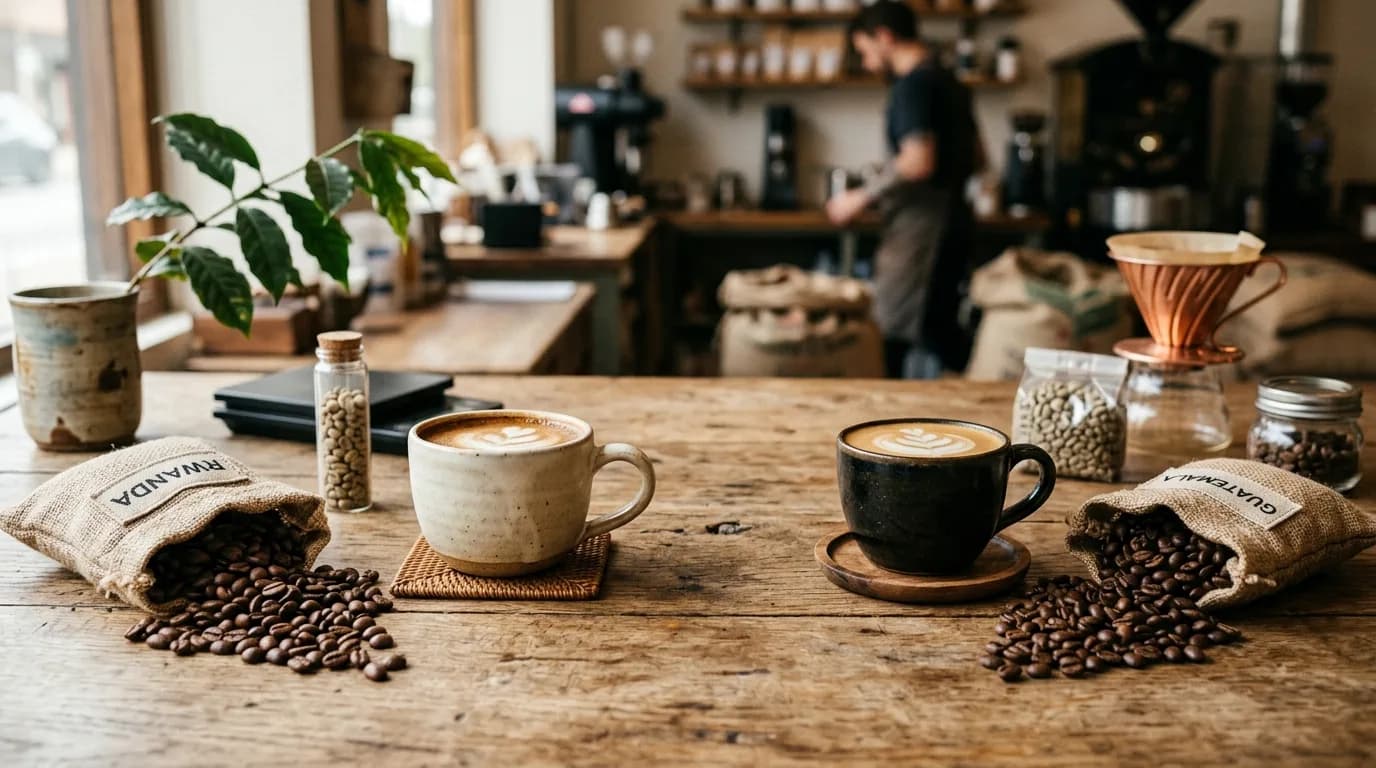
Rwanda and Guatemala both produce exceptional specialty coffee, but they taste almost nothing alike. Same plant species, different continents, and the result in your cup is worlds apart. Here is what drives those differences, and how to decide which one you want to brew next.
What terroir actually means for coffee
Terroir is a word borrowed from wine. It refers to everything in a growing environment that affects flavor: soil type, rainfall, temperature, altitude, and even the surrounding plants. For coffee, terroir is not a marketing term. It is a real and measurable cause of flavor differences between origins.
When a coffee plant absorbs nutrients from volcanic soil versus mineral-rich clay, it produces different sugar profiles in the cherry. Those sugars carry through processing and roasting and end up in your cup.
Rwanda: high altitude, volcanic soil, and remarkable clarity
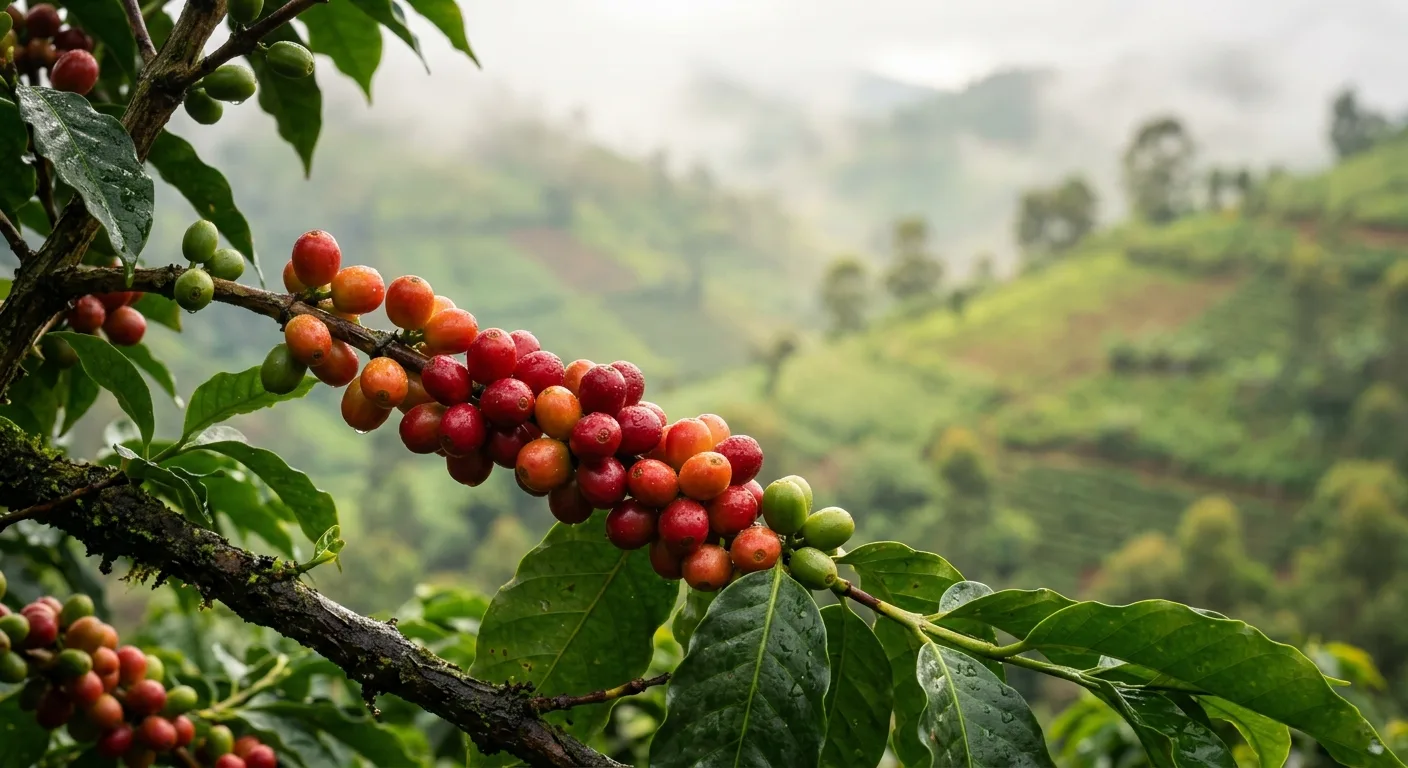
Rwanda sits near the equator in central Africa, across a landscape of steep hills and lakes. Most coffee grows at altitudes between 1,500 and 2,000 meters above sea level. At that height, temperatures are cool and beans develop slowly, which builds complex sugars and higher acidity.
The soil across Rwanda's coffee-growing regions is rich in volcanic minerals. That mineral content contributes to the clean, bright cup character Rwandan coffees are known for. You often find notes of red currant, stone fruit, jasmine, or black tea, depending on the lot and the roast level.
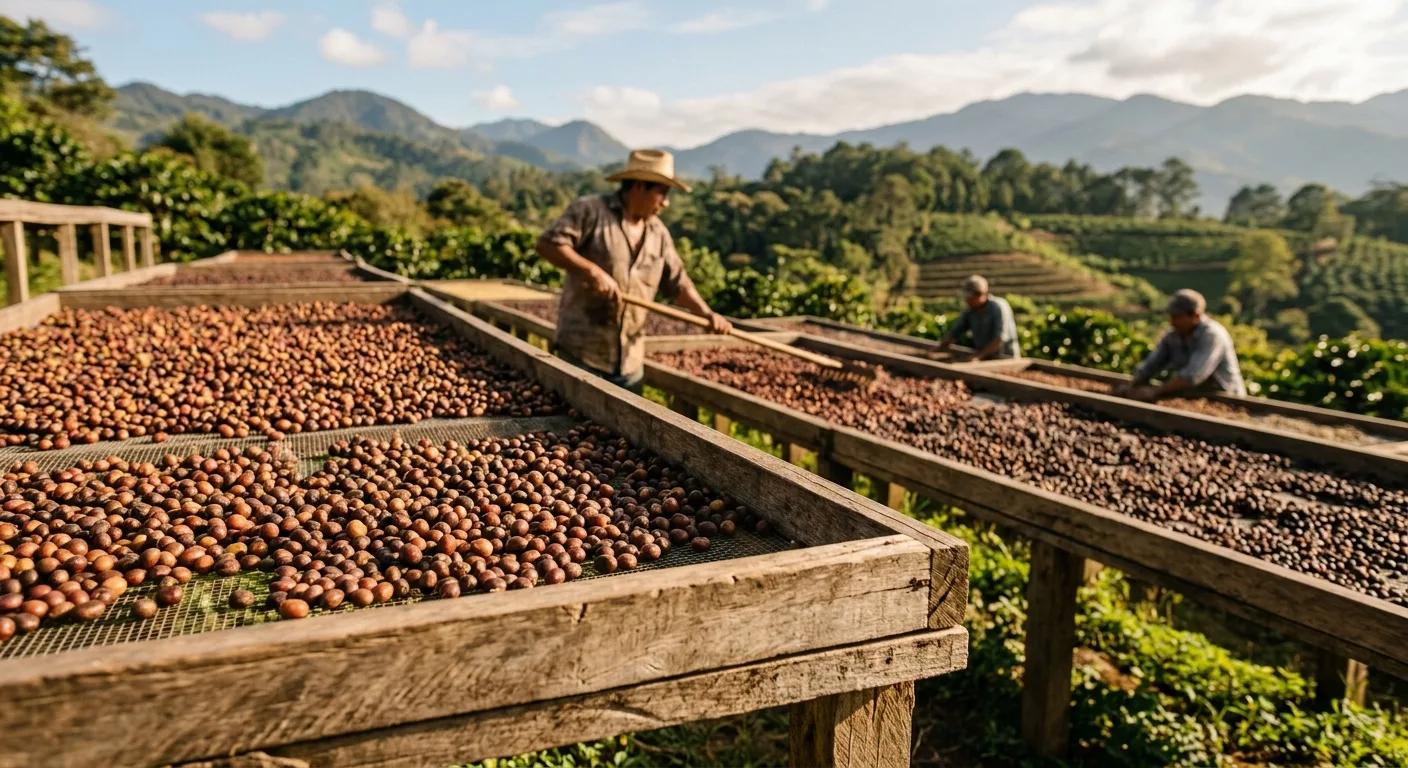
Most Rwandan specialty coffee is processed using the fully washed method. Farmers depulp the cherry, ferment the beans in water tanks to remove the remaining fruit mucilage, then dry them on raised beds. Washed processing keeps the origin flavors front and center because very little residual fruit sugar is left on the bean. The result is a clean, transparent cup where floral and fruit notes come through clearly.
Rwandan coffees shine in pour-over and Aeropress brewing. The clean acidity and delicate florals come through best at lower extraction temperatures, around 90 to 93°C (195 to 200°F).
Guatemala: diverse microclimates and deep, chocolatey cups
Guatemala is one of the most geographically varied coffee-producing countries in the world. It has eight distinct growing regions, each with its own microclimate. Huehuetenango in the northwest reaches altitudes above 2,000 meters and produces coffees with bright acidity and complexity. Regions like Antigua grow at slightly lower elevations on volcanic soil and are known for a heavier body and rich chocolate character.
The volcanic soil in Guatemala is among the most fertile in Central America. It contributes to a fuller body and deeper sweetness compared to East African origins. Guatemalan coffees tend to carry notes of dark chocolate, brown sugar, hazelnut, and dried fruit, particularly at medium and medium-dark roast levels.
Processing in Guatemala is predominantly washed as well, though you will find natural and honey-processed lots from smaller farms. The honey process, where some fruit mucilage is left on the bean during drying, adds a syrupy sweetness and more body to the cup. When you pick up a Guatemalan coffee and notice an almost caramel-like texture, a honey process is often behind it.
Altitude: the single biggest factor in acidity
Both origins grow coffee at high altitude, but the way altitude translates to flavor is worth understanding. At higher elevations, cooler temperatures slow the maturation of the coffee cherry. A slower-ripening cherry accumulates more organic acids and more complex sugars. Those acids are what you taste as brightness or liveliness in a cup. Those sugars contribute to sweetness after roasting.
A slower-ripening cherry accumulates more complex sugars. That extra time on the plant is exactly what separates specialty coffee from commodity coffee.
Rwanda's consistent high-altitude growing conditions across most of the country mean most specialty lots share that bright, clean character. Guatemala's variation in altitude by region is why Guatemalan coffees can range from bright and delicate to bold and chocolatey, depending on where the beans were grown.
Side-by-side comparison
| Feature | Rwanda | Guatemala |
|---|---|---|
| Altitude range | 1,500 to 2,000m | 1,300 to 2,000m+ |
| Soil type | Volcanic, mineral-rich | Volcanic, fertile clay |
| Common process | Fully washed | Washed, honey, natural |
| Flavor profile | Floral, red fruit, citrus, clean | Chocolate, caramel, hazelnut, stone fruit |
| Acidity | Bright, pronounced | Moderate, well-balanced |
| Body | Light to medium | Medium to full |
| Best brew method | Pour-over, Aeropress | Drip, French press, espresso |
Which one should you try
If you prefer a cup that is bright and clean, with fruit and floral notes that shift as it cools, a Rwandan coffee will give you that. It rewards attention. It is a good morning coffee when you want something that tastes like it came from somewhere specific.
If you want something more approachable and comforting, with chocolate and a thicker texture, a Guatemalan single origin is the better choice. It works well as a daily driver and holds up to milk or cream without losing its character.
Neither origin requires a premium or unusual brewing setup. Both produce excellent results with a standard drip brewer, as long as you are using freshly ground beans and filtered water.
Try both from Diving Moose Coffee
Diving Moose Coffee roasts both origins in small batches in Georgia. For a Guatemalan single origin, The Kinkajou is sourced from the Huehuetenango region, one of Guatemala's highest and most complex growing areas. It is a medium-light roast with the kind of clarity that shows what good Guatemalan coffee can do.
On the Africa side, our Africa and Arabia collection includes single-origin options with the bright, fruit-forward character that East African terroir produces. And if you want to try a few origins side by side without committing to a full bag, the 4-Count Most Popular Sample Pack is a practical way to taste the range. A portion of every purchase supports wildlife conservation through our WWF partnership.