
Specialty Coffee Statistics 2026: 35 Data Points on Market Size, Consumption, and Trends
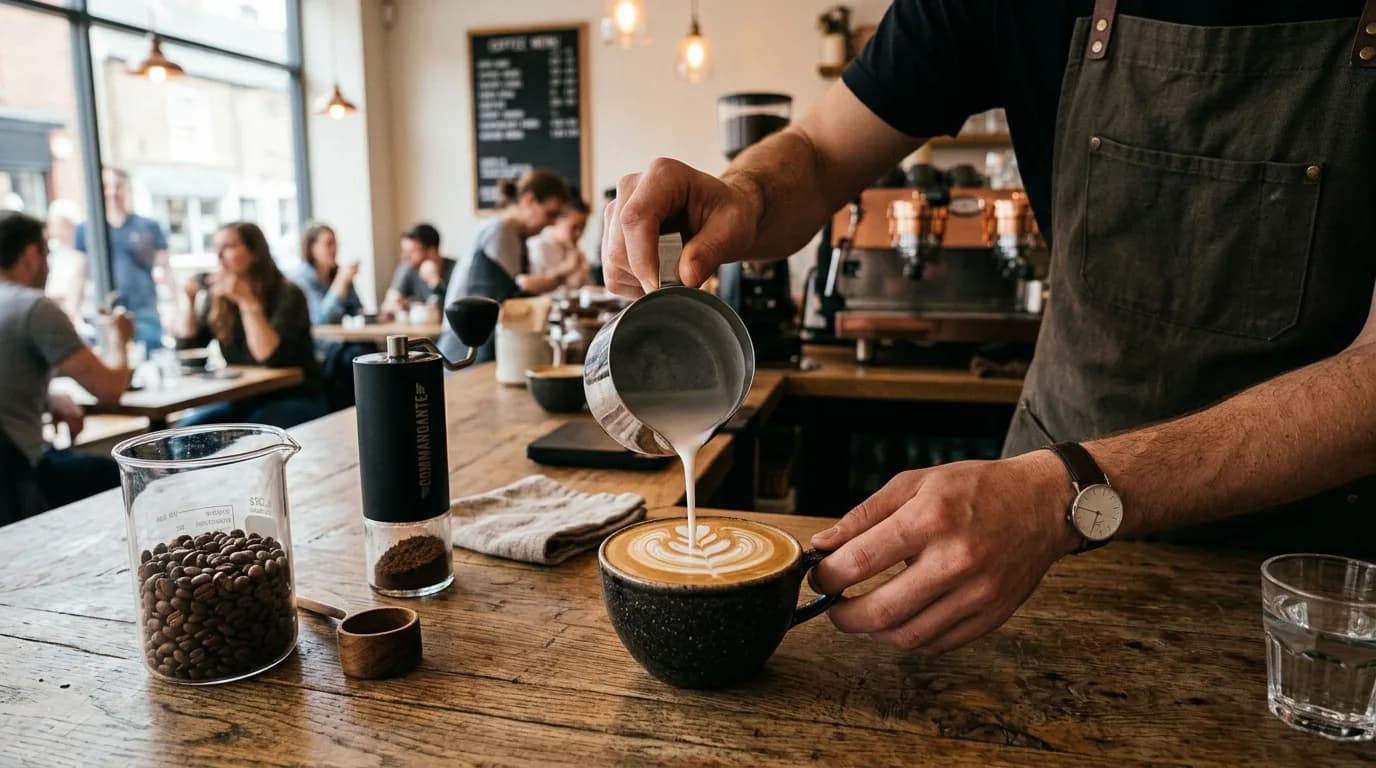
Specialty coffee has moved well past niche status. It now shapes how millions of people start their mornings, how farmers price their crops, and how roasters build their businesses. These 35 data points give you a clear picture of where the market stands and where it is heading.
The global market in numbers
The specialty coffee market was valued at roughly $47 billion globally in 2023, and most projections put it past $90 billion by 2030. That growth rate sits around 10 to 11 percent annually, which outpaces the broader coffee market by a wide margin.
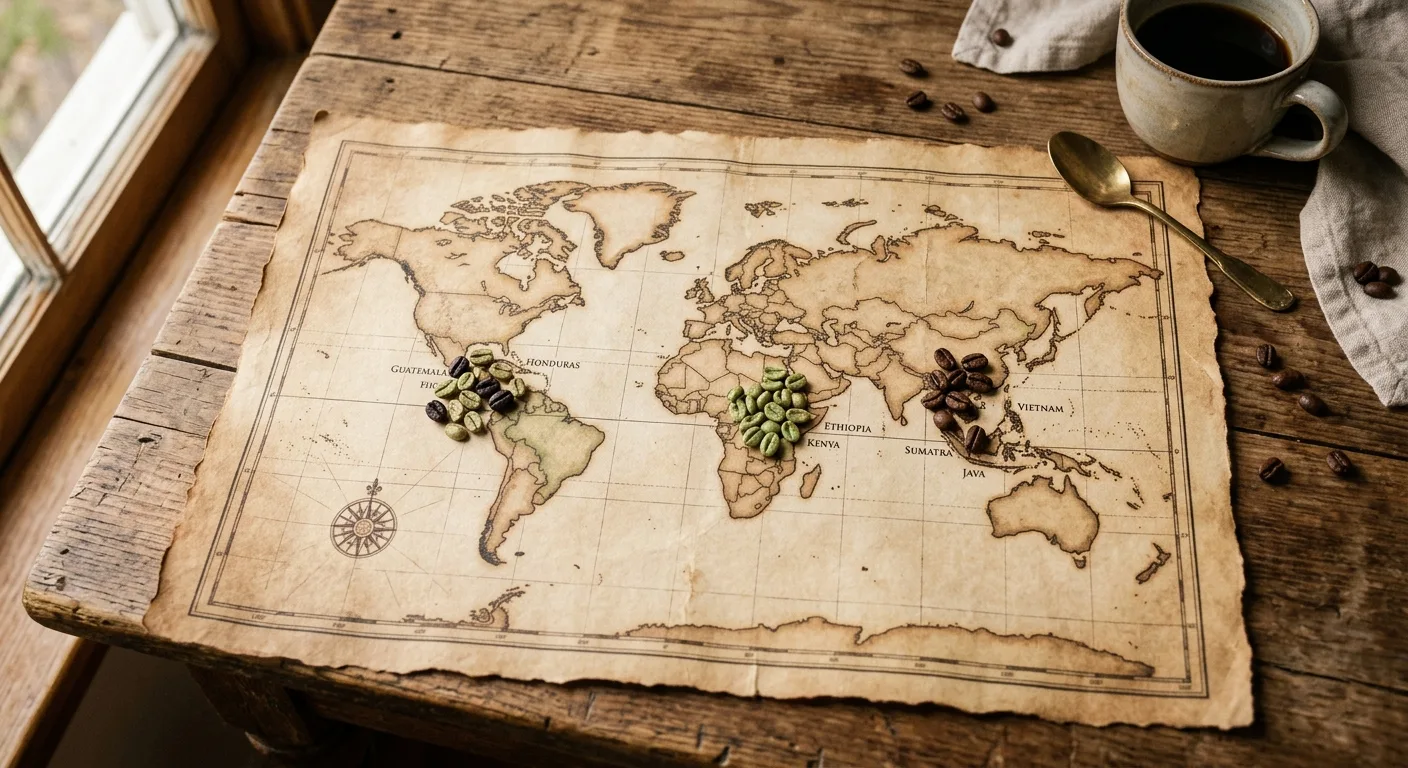
North America remains the largest regional market by revenue, but the Asia-Pacific region is growing fastest. Countries like South Korea, Japan, and China have seen specialty coffee culture accelerate sharply over the past five years. European markets, particularly Scandinavia and the UK, continue to lead in per-capita specialty consumption.
- The US specialty coffee market alone is estimated at over $47 billion when including retail, foodservice, and direct-to-consumer channels.
- Japan has more specialty coffee shops per capita than nearly any other country outside Scandinavia.
- The UK third-wave coffee sector grew by over 30 percent between 2019 and 2024, even accounting for pandemic disruptions.
- Australia is consistently ranked as one of the most coffee-literate markets in the world, with a strong flat white and filter culture.
Who is drinking specialty coffee
According to the Specialty Coffee Association, more than half of all American adults report drinking a specialty coffee beverage at least once a day. That figure has climbed steadily over the past decade.
- Millennials and Gen Z now account for the majority of specialty coffee spending in the US.
- Gen Z consumers are more likely than any other demographic to research coffee origin before buying.
- Consumers aged 25 to 39 drink an average of two to three specialty coffee beverages per day.
- Remote work is credited by multiple studies with increasing at-home specialty coffee preparation, with grinder and brewer sales rising significantly since 2020.
- Women represent a growing share of espresso-based drink consumption, particularly in ready-to-drink formats.
Gen Z consumers are more likely than any other demographic to research coffee origin before buying.
Brewing methods and format trends
How people brew has changed significantly. Drip coffee is still the most common method in US households, but its share is shrinking as pour-over, espresso, and cold brew pick up ground.
| Brewing Method | Estimated US Household Share | Trend |
|---|---|---|
| Drip coffee maker | ~41% | Declining |
| Single serve pods | ~27% | Stable |
| Espresso machine | ~12% | Growing |
| Pour-over / filter | ~9% | Growing |
| Cold brew | ~6% | Fast growing |
| French press | ~5% | Stable |
Cold brew is one of the standout format stories. The ready-to-drink cold brew segment grew by more than 25 percent year over year between 2021 and 2024. Retail shelf space dedicated to canned and bottled coffee drinks has more than doubled in most major grocery chains over that same period.
If you want to make cold brew at home, start with a coarse grind and a coffee-to-water ratio of around 1 to 8 by weight. Steep for 12 to 18 hours in the fridge. The Narwhal Cold Brew Blend from Diving Moose Coffee is built specifically for this method, using beans selected for low acidity and clean finish in cold water.
Single origin, traceability, and what buyers actually care about
Traceability has moved from a marketing angle to a real purchase driver. A 2024 consumer survey found that 62 percent of specialty coffee buyers said knowing where their coffee came from affected which brand they chose.
- Single-origin coffees now account for roughly 35 percent of all specialty coffee sales by volume in the US, up from under 20 percent in 2015.
- Ethiopia, Colombia, and Guatemala are the three most searched origin countries among specialty buyers in North America.
- Micro-lot and farm-direct coffees command price premiums of 30 to 80 percent over commodity-grade beans.
- Consumers are increasingly willing to pay more for coffees with verifiable supply chains.
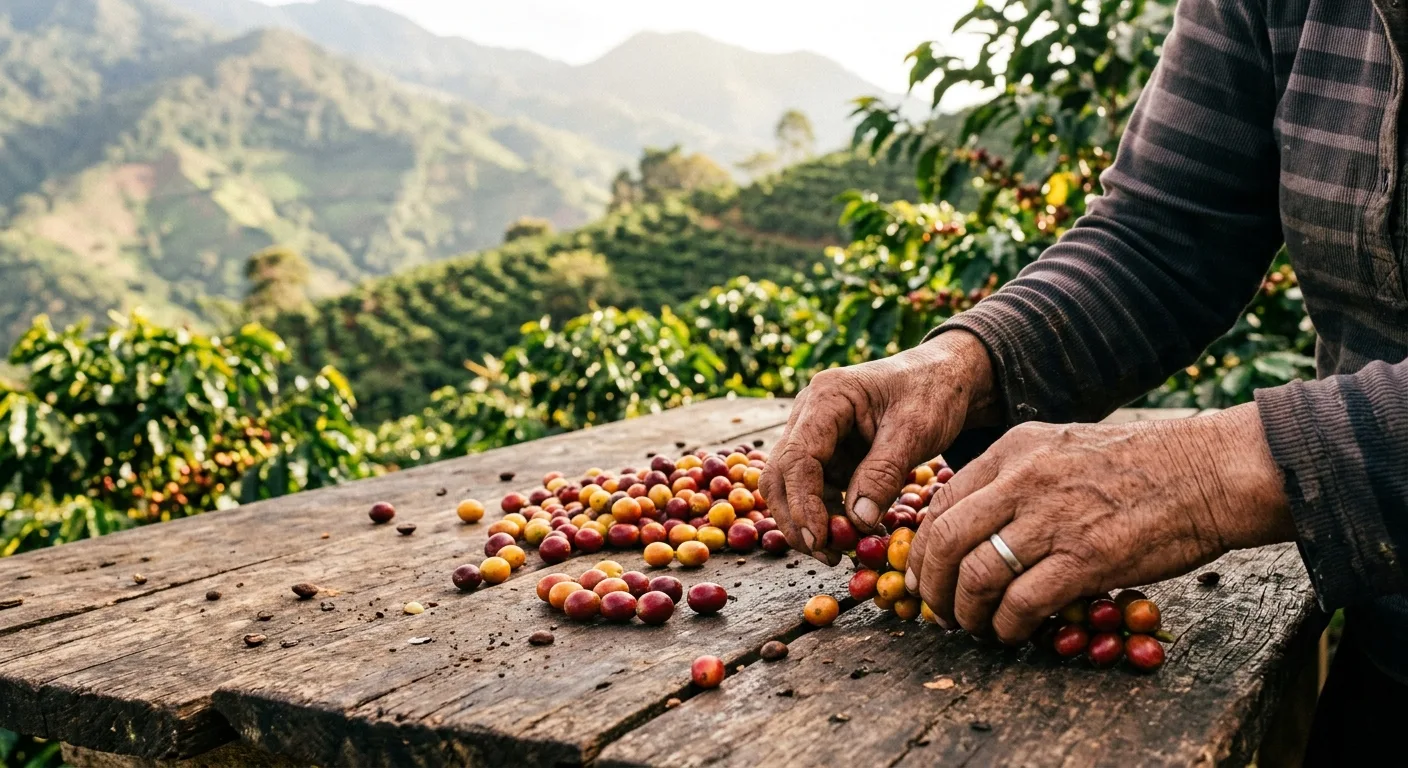
If you want to explore traceable single-origin coffees, the Georgia Roasted Single Origin collection at Diving Moose Coffee covers a solid range of origins, all 100% Arabica and specialty grade. Options include the Nyala from Ethiopia Sidamo, grown at high altitude and processed to bring out the region's naturally fruity notes.
Sustainability, organic, and fair trade data
Sustainability certifications are no longer a soft differentiator. Buying behavior data now shows them as a hard filter for a meaningful portion of shoppers.
- Organic certified coffee sales in the US grew by approximately 14 percent in 2023 alone.
- Fair Trade certified coffee now represents over $1 billion in annual retail value in North America.
- 68 percent of specialty coffee consumers say they prefer brands that demonstrate environmental responsibility.
- Brands with clear sustainability messaging report higher repeat purchase rates than those without.
- Shade-grown and bird-friendly certifications are gaining awareness, particularly among consumers who overlap with wildlife and conservation interests.
Diving Moose Coffee donates a portion of every purchase to wildlife conservation through a WWF partnership. If buying from a brand that funds conservation matters to you, that is worth knowing before you shop.
Price, premiumization, and the specialty gap
Specialty coffee commands a real price premium, and most consumers in the category accept it. The average specialty coffee drink sold in a US café runs between $5 and $7, compared to $2 to $3 for standard drip at a quick-service chain.
- The average price per pound for specialty-grade green coffee is two to four times higher than commodity-grade beans traded on the C market.
- US consumers spent an estimated $110 billion on coffee in all forms in 2024, with specialty accounting for a growing share each year.
- Premium home brewing gear sales, including burr grinders and espresso machines, grew by over 40 percent between 2020 and 2024.
- Subscription coffee services saw a 22 percent increase in subscribers between 2021 and 2023, driven largely by specialty roasters.
Buying whole bean and grinding at home gives you noticeably fresher coffee and better value per cup than pre-ground. A simple burr grinder makes a larger difference to cup quality than almost any other equipment upgrade.
The outlook heading into 2026 and beyond
Every major market indicator points in the same direction. Specialty coffee is not a trend that is peaking. Consumption is up, spending per cup is up, and consumer knowledge about origin, processing, and roast level is deeper than it has ever been.
- The specialty coffee market is forecast to add between $4 and $6 billion in annual value per year through 2028.
- Climate change remains the most significant supply-side risk, with Arabica growing regions facing increased pressure from rising temperatures and shifting rainfall patterns.
- Alternative processing methods, including anaerobic and honey process, are expanding the flavor range available to consumers and driving interest in experimental lots.
- Direct-to-consumer roasters are expected to continue gaining share from traditional retail channels.
Where to start if you want better coffee
The data reflects something straightforward. People are drinking better coffee, paying closer attention to where it comes from, and choosing brands that align with what they care about. If you are newer to specialty coffee, the easiest entry point is a well-roasted, clearly labeled single origin or a small-batch blend from a roaster you can actually learn about.
Diving Moose Coffee roasts in small batches in Georgia, sources 100% Arabica specialty-grade beans, and gives back to wildlife conservation with every purchase. The most popular roasts are a good place to start if you are not sure where to begin.