
Best Coffee for Espresso at Home (2026)
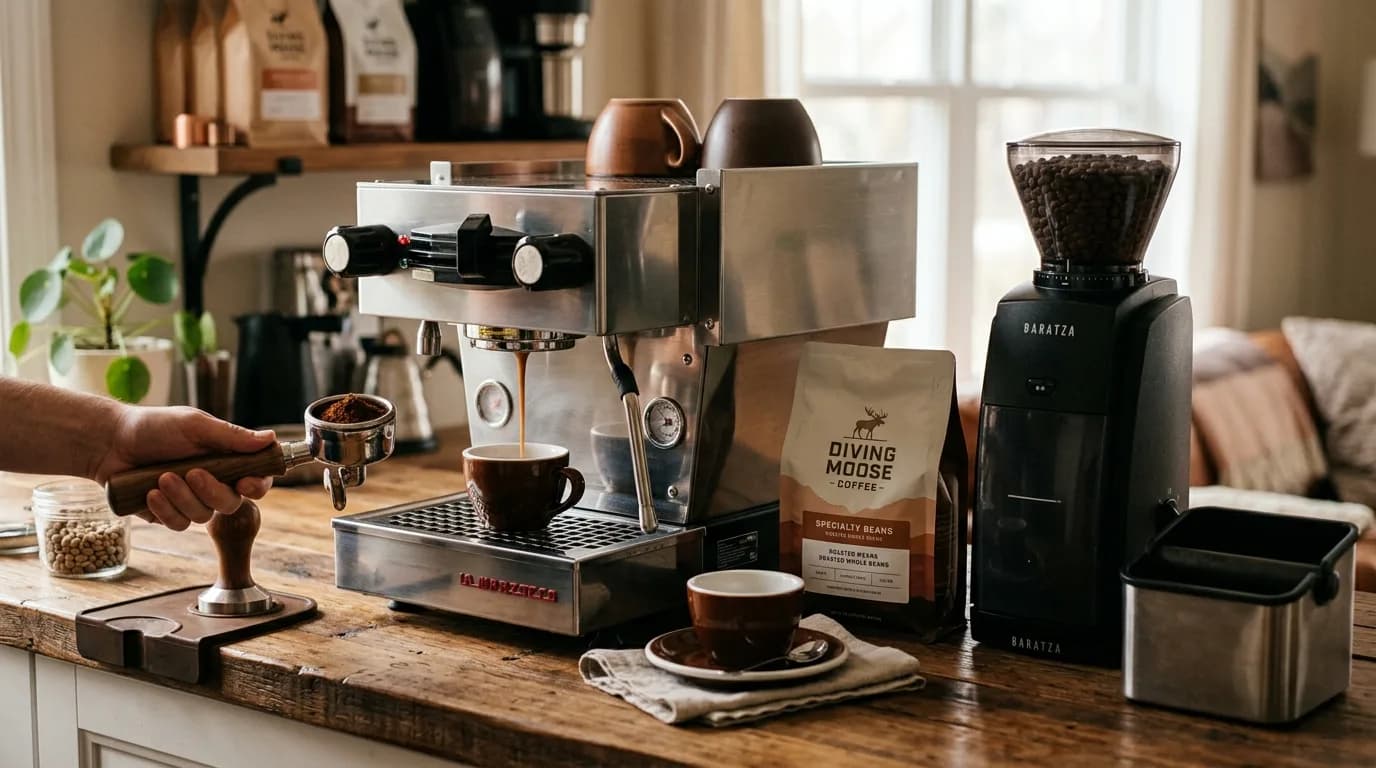
Making espresso at home is more accessible than ever, but picking the right coffee is still where most people go wrong. The bean matters as much as the machine.
What makes a coffee good for espresso
Espresso forces hot water through finely ground coffee at high pressure. That process amplifies everything in the bean. Bright, acidic coffees can taste sharp and unpleasant. Low-acid coffees with thick body tend to perform much better.
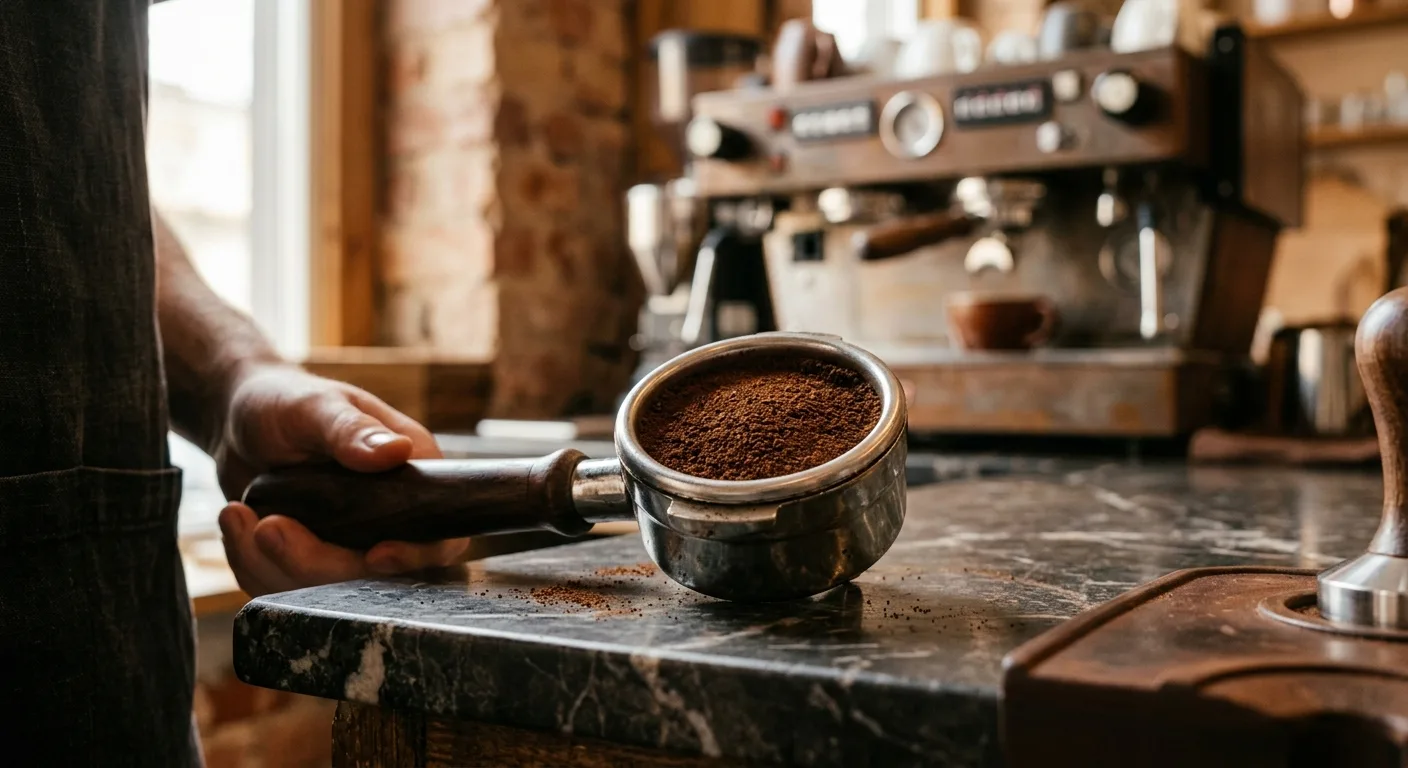
Roast level plays a big role too. Lighter roasts are denser and harder to extract evenly, which makes dialing in the grind more difficult. Medium-dark and dark roasts are more soluble, meaning they extract faster and more predictably. That is why most traditional espresso blends lean darker.
If you are new to home espresso, start with a medium-dark blend before moving to single origins. Blends are built for consistency, which gives you fewer variables to manage while you learn.
Blends vs. single-origin for espresso
Blends are the standard choice for espresso, and for good reason. Roasters craft them to hit a specific flavor profile cup after cup. The beans complement each other, often balancing sweetness, body, and finish across origins.
Single-origin espresso is worth trying once you are comfortable with your setup. A well-sourced Ethiopia or Colombia can produce remarkable shots with natural fruit and floral notes. But they are less forgiving of grind or temperature variations.
Blends are built for consistency. Single origins reward patience.
Roast matters more than most people think
| Roast level | Espresso performance | Flavor notes |
|---|---|---|
| Light | Difficult to extract evenly | Bright, acidic, floral |
| Medium-light | Possible with precise technique | Fruity, complex, clean |
| Medium-dark | Reliable, forgiving | Chocolate, caramel, nuts |
| Dark | Very consistent extraction | Bold, rich, low acidity |
Most home espresso machines perform best with medium-dark to dark roasts. Consumer-grade machines often cannot reach the pressure stability of commercial equipment, so a more soluble bean makes up for that gap.
Our picks from Diving Moose Coffee
We roast all our coffee in small batches in Georgia, and several of our offerings were built with espresso in mind.
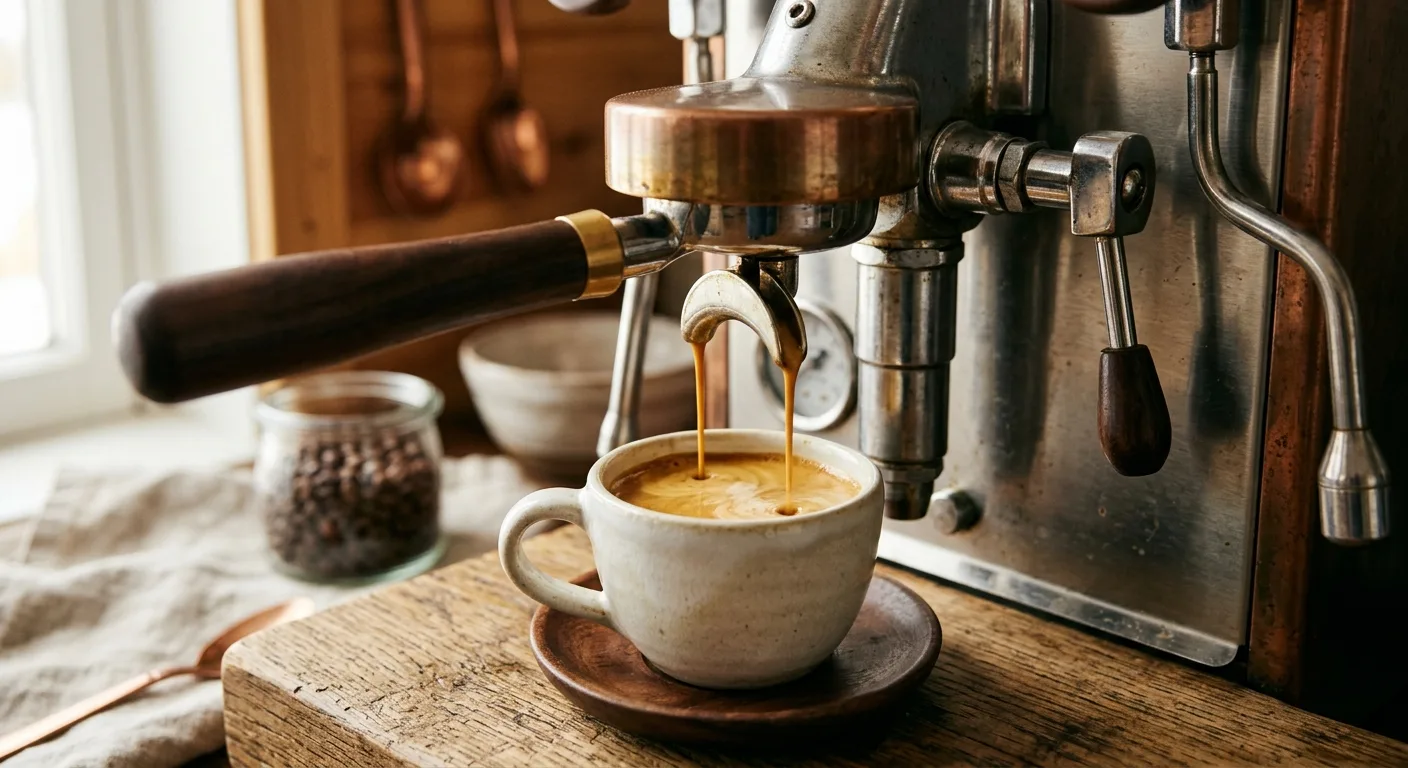
The Black Leopard is our dedicated espresso roast. It is a four-bean dark roast blend designed specifically for espresso drinks. It pulls rich, full-bodied shots with deep flavor and a clean finish, and it holds up well under milk in lattes and cappuccinos.
If you prefer something a little lighter, The Whale Shark is a medium-dark organic blend that works well as an everyday espresso. It has good body and a smooth, low-acid profile that translates well under pressure.
For a single-origin option, the Jimothy Roast from Indonesia Flores Bajawa is a medium-dark organic coffee with earthy, full-bodied character. It pulls a dense, heavy shot that works especially well as a straight double espresso or an Americano.
All three of these are available as whole beans. Grind fresh for every shot. Pre-ground coffee goes stale quickly and will noticeably flatten your espresso.
Grind size is where most people lose the shot
Even with great coffee, a wrong grind will ruin the shot. Espresso needs a grind that is finer than table salt but coarser than powder. If the shot pulls in under 20 seconds, grind finer. If it takes more than 35 seconds or barely drips, go coarser.
A burr grinder is worth the investment if you are serious about home espresso. Blade grinders produce uneven particles that cause inconsistent extraction, which shows up as bitter or sour shots with no middle ground.
Freshness and storage
Coffee degrades quickly after roasting. For espresso, beans are generally at their best between 7 and 21 days after the roast date. Very fresh beans, roasted within the last few days, can produce excessive crema that tastes hollow. A short rest improves the shot.
Store beans in an airtight container away from light and heat. Do not freeze unless you are storing a large quantity you will not open for weeks. Freeze-thaw cycles introduce moisture and degrade flavor.
Where to start
If you are putting together a home espresso setup in 2026, start with The Black Leopard. It is purpose-built for espresso, consistent to dial in, and rich enough to hold its own in any drink. Once you have your technique down, try the Jimothy Roast for something with more regional character. You can browse all our small-batch blends or single-origin coffees to find your next shot.