
How to Taste Coffee Like a Sommelier: A Beginner's Guide to Flavor Notes, Body, and Acidity
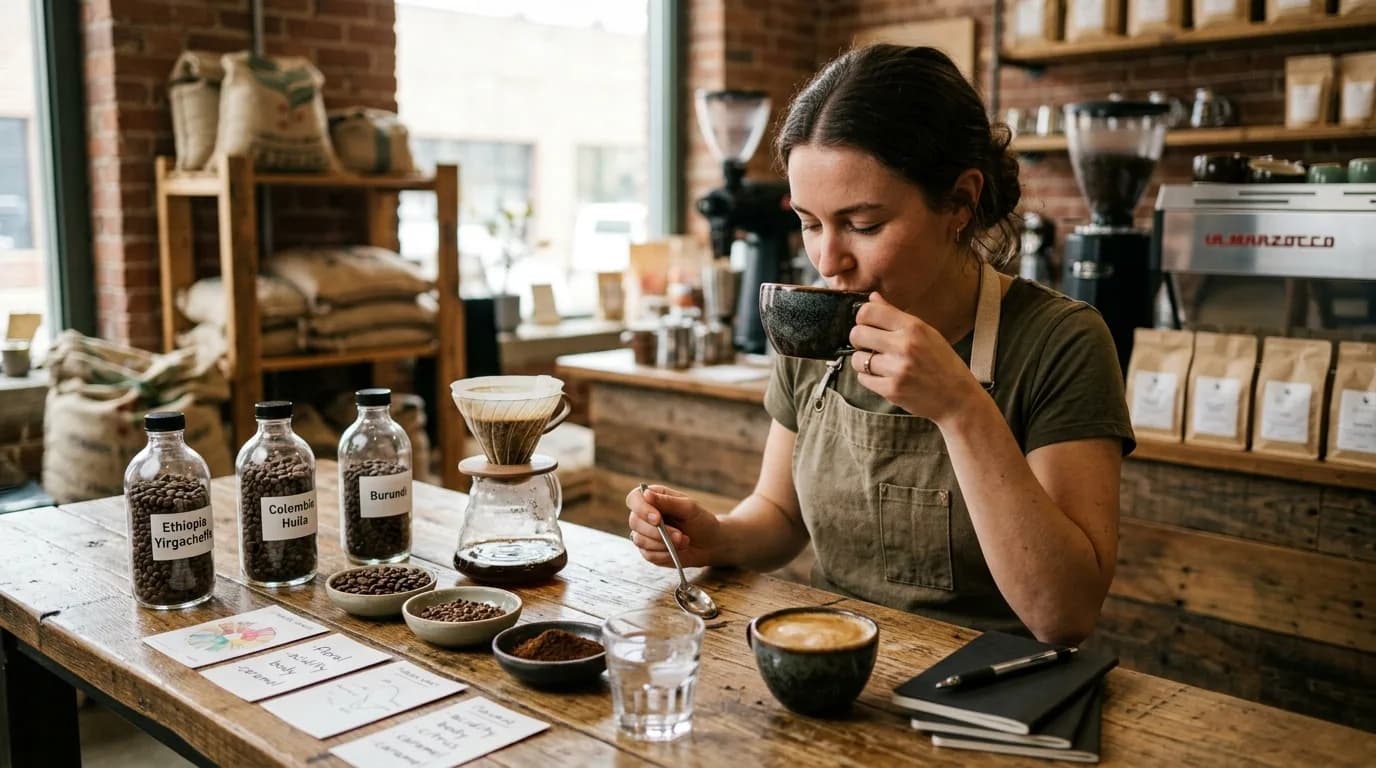
Coffee tasting is a real skill, and you don't need years of training to get started. Once you know what to pay attention to, a single cup tells you a lot about where the beans came from, how they were processed, and how they were roasted.
Start with smell
About 70 to 80 percent of what we taste actually comes from smell. Before you take a sip, bring the cup to your nose and breathe in. You might notice fruit, chocolate, nuts, florals, or earth. These aren't invented. They're real aromatic compounds produced during roasting and fermentation.
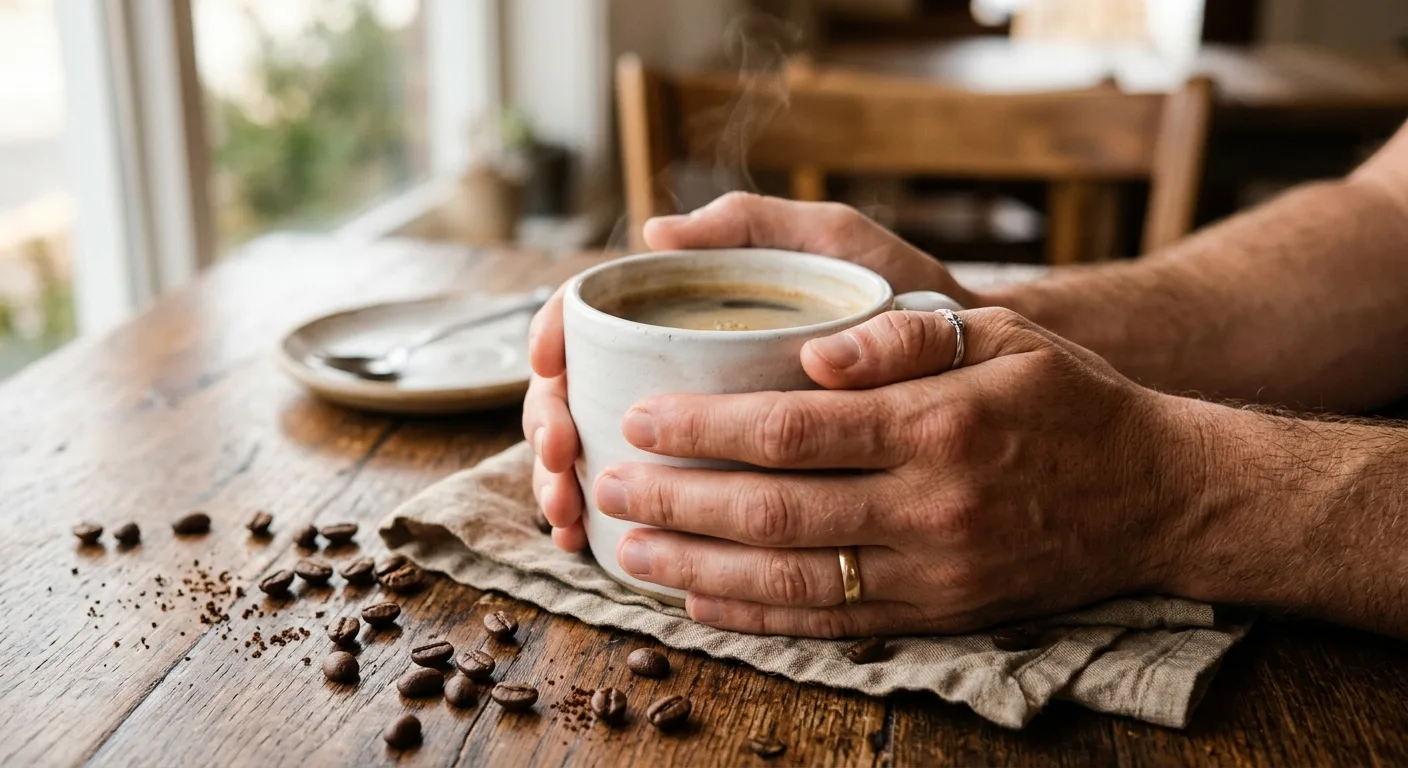
Try smelling the dry grounds before brewing too. The aroma shifts once water hits the coffee, and comparing the two is a useful exercise. Some people call the smell of freshly poured hot coffee the "wet aroma" or bloom. It often smells more intense than the brewed cup itself.
Rinse your cup with hot water before brewing. A cold cup dampens aroma fast and makes tasting harder.
What flavor notes actually mean
When a coffee bag says "notes of blueberry and dark chocolate," that doesn't mean someone added those flavors. It means the beans naturally produce compounds that your brain recognizes as similar to those things. Think of it like wine. No one adds oak to a barrel-aged Chardonnay. The flavor develops from the process.
Coffee has hundreds of flavor-active compounds. The roast level, the growing altitude, the soil, and the processing method all shape what ends up in your cup. A washed Ethiopian coffee might taste clean and floral. A natural-processed one from the same region can taste almost jammy, like fermented fruit.
The roast, the soil, the altitude, and the processing method all leave something behind in the cup.
Understanding body
Body is the weight and texture of the coffee in your mouth. A light-bodied coffee feels thin and clean, like water. A full-bodied one feels heavy and coating, more like whole milk. Neither is better. It depends on what you want from the cup.
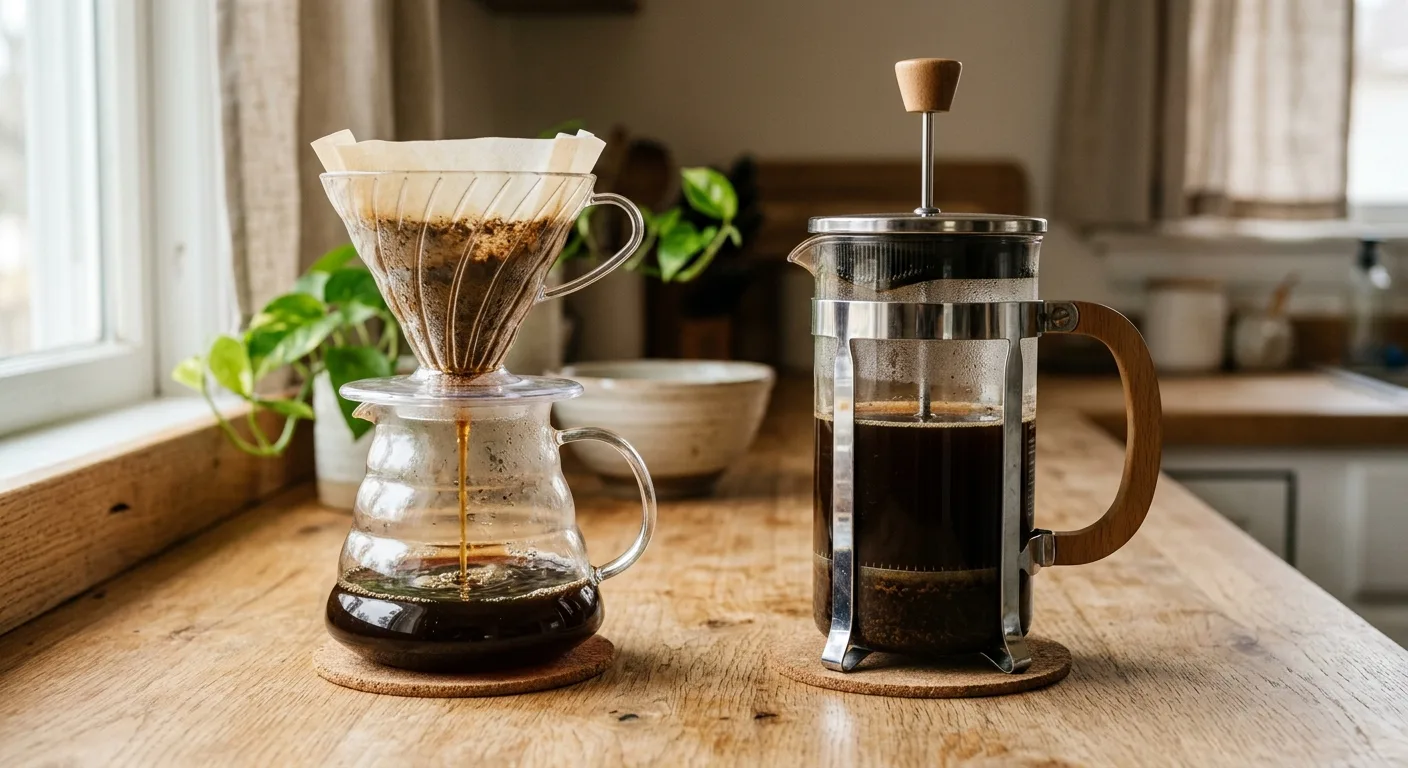
Brewing method affects body. A French press produces a fuller, heavier cup than a pour-over because the metal filter lets oils through. A paper filter absorbs those oils and produces a cleaner, lighter result. If you want to taste body clearly, try the same beans brewed two different ways.
| Brewing Method | Body | Clarity |
|---|---|---|
| French Press | Full | Lower (more sediment and oils) |
| Pour-Over | Light to medium | High (clean, bright) |
| Espresso | Very full | Concentrated, intense |
| Cold Brew | Medium to full | Smooth, low acidity |
Acidity is not a bad word
Most people hear "acidity" and think of something sharp or unpleasant. In coffee, acidity means brightness. It's the lively, crisp quality that makes a coffee feel refreshing. High-altitude coffees often have more of it. Think citrus, green apple, or stone fruit.
Low acidity coffees feel rounder and earthier. Indonesian coffees like Sumatra are a good example. They tend toward smoky, herbal, and heavy rather than bright and fruity. Neither profile is wrong. It comes down to personal preference.
If a coffee tastes sour rather than bright, that's usually a brewing problem. Under-extraction (too short a brew time or too coarse a grind) pulls acidic compounds before the sweeter ones develop.
The finish
The finish is what stays in your mouth after you swallow. A long finish means flavor lingers for several seconds. A short finish fades quickly. Some coffees leave a clean, sweet aftertaste. Others leave something bitter or dry. A bitter finish usually points to over-extraction or a very dark roast.
Pay attention here. The finish often reveals things the first sip doesn't. A chocolate note might not appear until after you swallow. A floral quality might linger longer than the fruit you noticed upfront.
How to actually taste: a simple process
- Smell the dry grounds before brewing.
- Brew at the correct temperature (around 200°F or just off boiling).
- Smell the wet coffee in the cup before you sip.
- Take a small sip and slurp it slightly to spread it across your palate.
- Let it sit for a second before swallowing.
- Note what you taste, and what lingers after.
- Let the cup cool slightly and taste again. Flavor changes a lot as temperature drops.
Origin as a shortcut to flavor
If you want a reliable entry point into tasting, start with origin. Most coffees from a given region share broad characteristics that make them recognizable. Ethiopia tends toward fruit and flowers. Brazil tends toward nuts and chocolate. Colombia often sits in the middle with sweetness and mild acidity. Papua New Guinea and Indonesian coffees tend toward earth, spice, and low acidity.
Learning a region's flavor profile first gives you a frame of reference. Then you can notice when a specific farm or processing method pushes outside that frame.
Where to start tasting
The easiest way to train your palate is to taste coffees side by side. Pick two different origins and brew them the same way on the same day. The contrast makes differences obvious.
Our 4-Count Most Popular Sample Pack is a practical starting point. You get four different coffees to compare at home without committing to a full bag of each. If you already have a sense of what regions interest you, our Georgia Roasted Single Origin Coffees let you go deeper with one origin at a time. And if you want to see how African brightness compares to Indonesian depth, the Africa and Arabia collection alongside the Indonesia and Pacific collection puts those two worlds right next to each other.
Tasting well is just paying close attention. Start with one cup and one question: what do I actually notice here? The rest follows from there.