
Best Coffee Brands That Donate to Wildlife Conservation (2026)
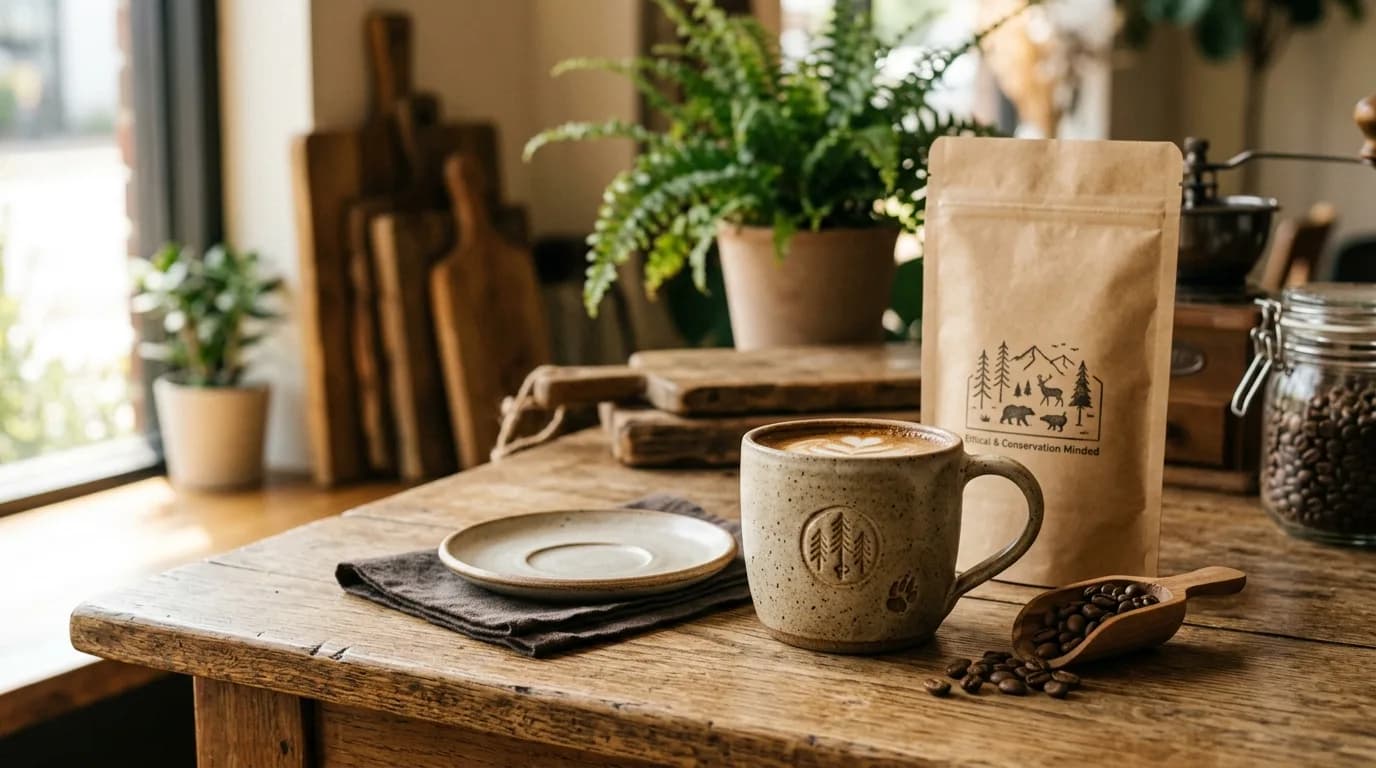
More coffee brands are connecting their products to conservation causes, but the quality of that commitment varies a lot. Some brands write a small check once a year. Others build conservation into every sale. Here is a look at how the space shapes up in 2026, and what to look for when you want your morning cup to do more than wake you up.
Why the coffee and conservation connection makes sense
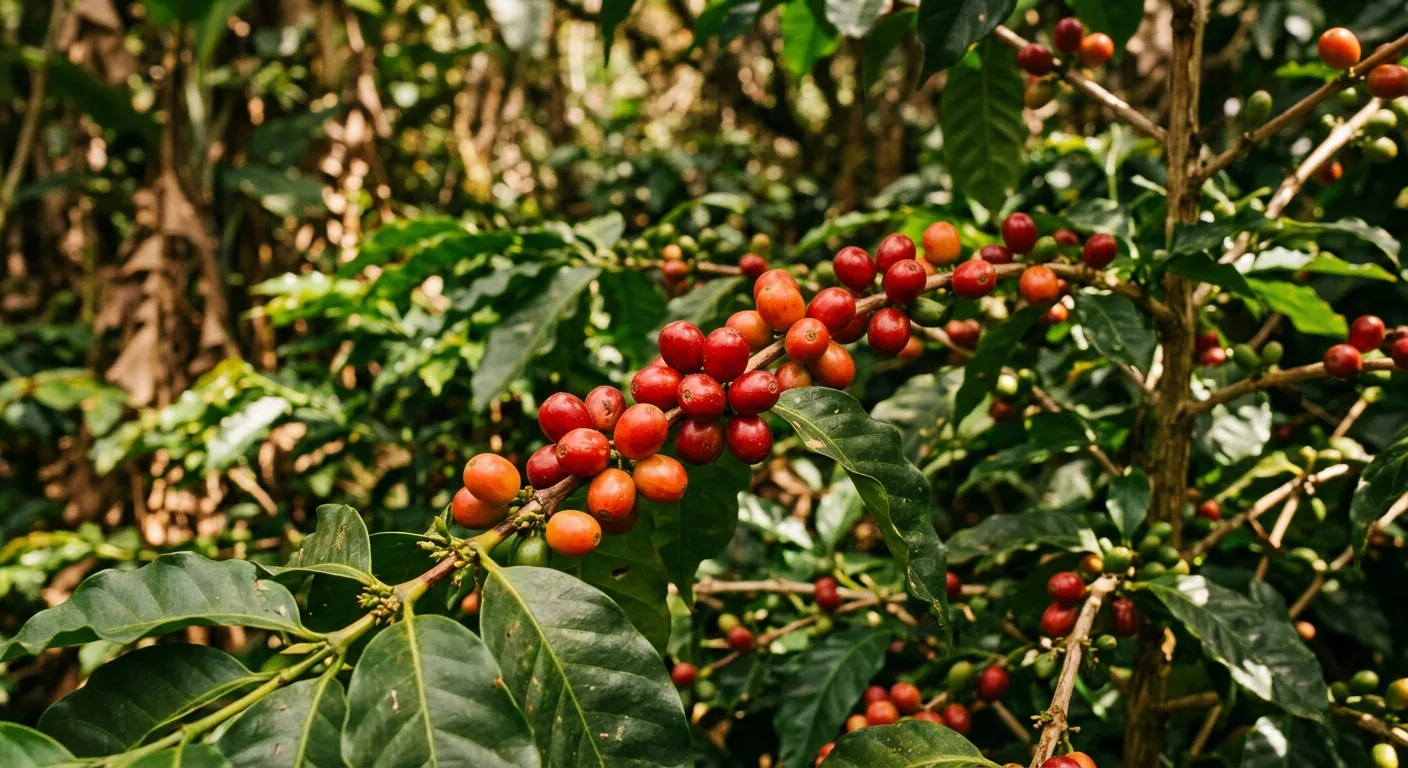
Coffee grows in what scientists call the "Bean Belt," a band of tropical regions between the Tropics of Cancer and Capricorn. These zones overlap heavily with biodiversity hotspots. Forests that shelter endangered species are often the same ones where shade-grown coffee thrives.
When a coffee company supports habitat preservation or anti-poaching programs, the benefit is direct. The land that produces the coffee is often the land that needs protecting.
What to look for in a conservation-focused brand
The phrase "we give back" appears on a lot of packaging. But giving back can mean almost anything. A few things worth checking before you commit to a brand are listed below.
- Named partner organizations. A brand that names WWF, Rainforest Alliance, or a specific wildlife fund is more accountable than one with vague language about "supporting nature."
- Tied to purchase. Per-bag or per-order donations are more consistent than annual lump sum giving.
- Transparency reports or pages. Some brands publish how much they have donated. That is a good sign.
- Certifications that back it up. Organic and Fair Trade certifications show the supply chain itself is managed with care, not just the marketing.
Rainforest Alliance certification means the coffee was grown using practices that protect biodiversity, soil health, and waterways. It is not the same as a direct donation to a wildlife fund, but it matters.
Brands worth knowing in 2026
This is not an exhaustive list, and rankings are not the point here. These brands each take a different approach to the conservation side of their business.
| Brand | Conservation approach | Certification |
|---|---|---|
| Diving Moose Coffee | Donates portion of every purchase via WWF partnership | Organic, Fair Trade (select products) |
| Grounds for Change | 1% for the Planet member, funds environmental nonprofits | Fair Trade, Organic |
| Cafédirect | Invests in farmer cooperatives, supports biodiversity programs | Fair Trade, Rainforest Alliance |
| Camano Island Coffee | Donates to animal welfare and rescue organizations | Fair Trade, Organic |
| Death Wish Coffee | 1% for the Planet member | Fair Trade, USDA Organic |
Each of these brands has structured giving into its model in some way. The approaches differ, and so does the depth of accountability. A named partnership with a global organization like WWF carries a different weight than a general commitment to environmental giving.
The land that produces the coffee is often the same land that needs protecting.
How Diving Moose Coffee does it
Diving Moose Coffee donates a portion of every purchase to wildlife conservation through its WWF partnership. That means every bag of coffee, every pod, every order moves the needle in a small but consistent way. The model is straightforward and tied directly to what you buy.
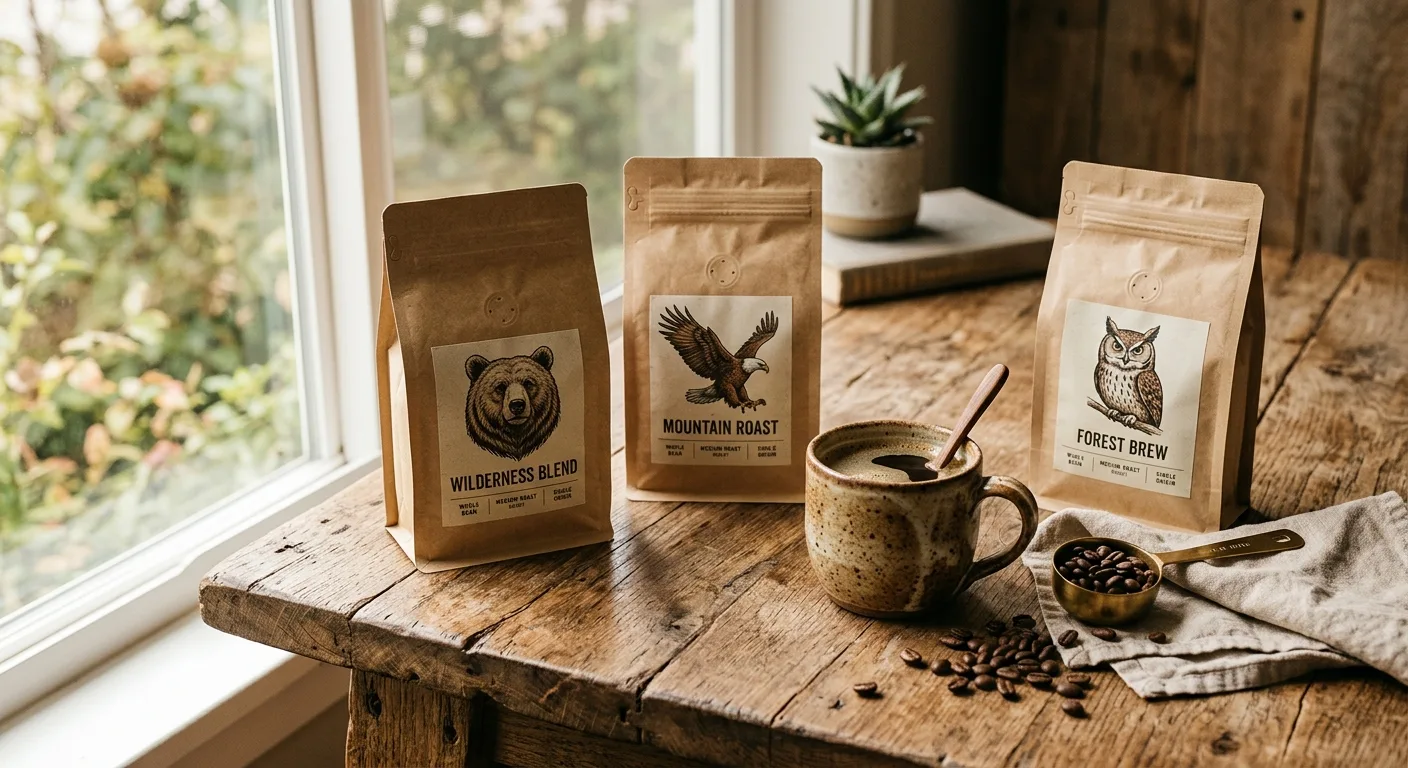
The coffee itself is specialty grade, Georgia roasted, and sourced from regions that matter to conservation. Products like The Nyala, an Ethiopia Sidamo Organic and The Condor, a Colombia Sierra Nevada Organic come from ecosystems where wildlife habitat and coffee farming intersect. Buying them means the origin story does not stop at flavor.
Single-origin coffee and habitat overlap
Single-origin coffees are often grown in places with high biodiversity. Ethiopia is the genetic birthplace of arabica coffee and home to species found nowhere else on earth. Colombia's Sierra Nevada region shelters endemic birds and mammals alongside some of the country's best coffee farms.
When you buy single-origin coffee from a brand with a conservation commitment, the connection between your cup and the wildlife fund is not abstract. The same geography is involved.
Diving Moose carries a full range of single-origin coffees sourced from these kinds of regions, including options from Africa, Indonesia, and the Americas.
Shade-grown coffee preserves tree canopy that migratory birds and other species depend on. If a brand sources shade-grown beans and has a conservation partnership, those two things reinforce each other.
Organic and Fair Trade certifications matter here
Conservation is not only about donation amounts. How coffee is grown affects habitat too. Conventional coffee farming often involves clearing forest and heavy pesticide use. Organic farming limits chemical inputs and tends to maintain more surrounding vegetation.
Fair Trade certification protects the farmers growing in these regions, which creates long-term stability for land stewardship. A farmer who earns a fair wage has less pressure to clear more land for other crops.
If you want your coffee purchase to do more good, look at Diving Moose's Organic and Fair Trade certified coffees as a starting point.
Where to start if you are new to this
You do not need to overhaul your whole routine. Pick one bag from a brand with a real conservation commitment and see how the coffee is. If it is good, keep buying it. If you are already buying Diving Moose Coffee, you are already part of the WWF partnership with every order.
Check out our most popular roasts if you are not sure where to begin. They are a good cross-section of what we do, and every one of them contributes to conservation.