
Why Is Coffee Getting More Expensive? How Climate Change Is Reshaping Coffee Farms and Wildlife Habitats
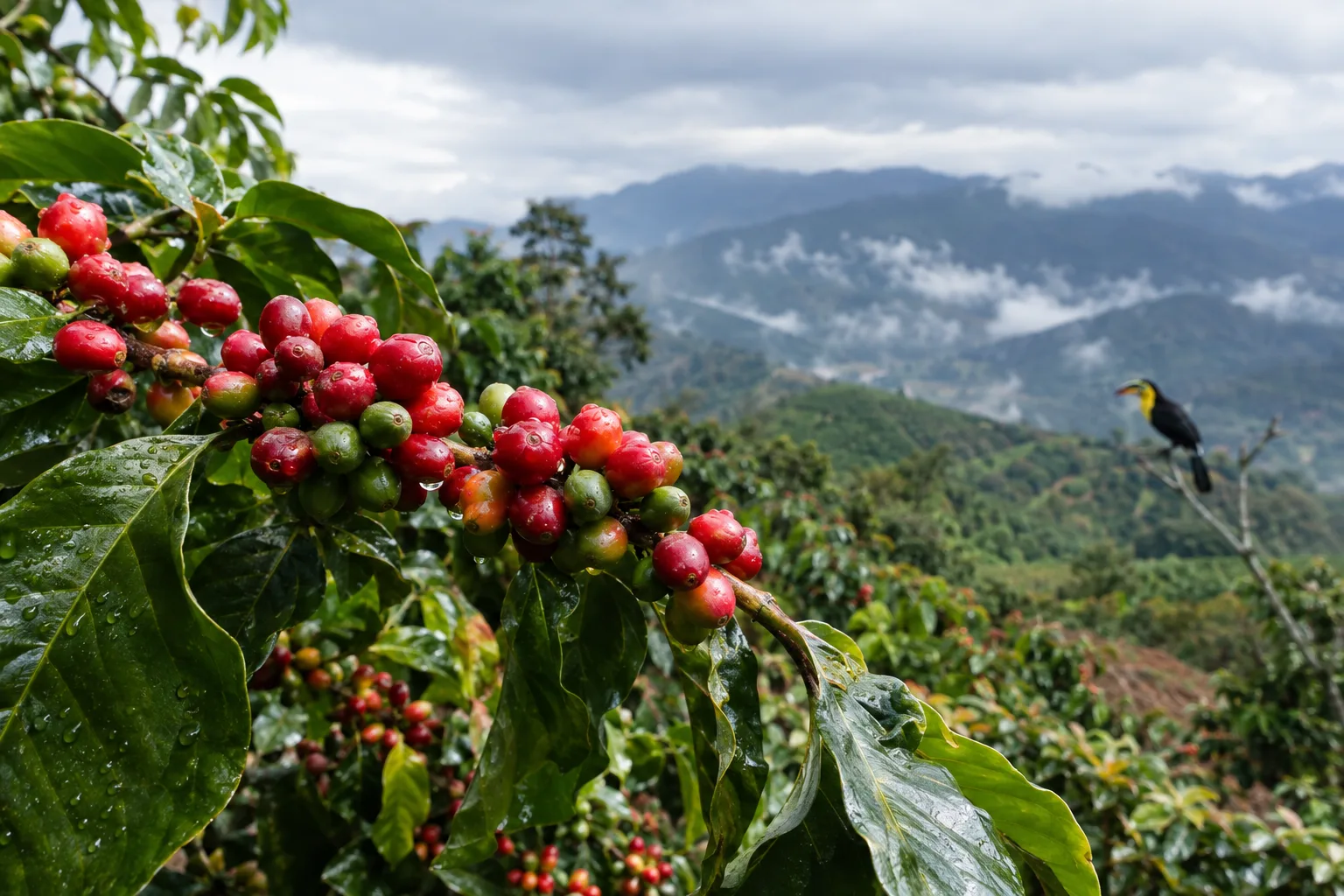
Coffee costs more because it has become harder and riskier to grow. Weather is the biggest driver, and climate change is making bad weather more common in the places that grow our beans.
Why coffee prices keep rising
No single thing explains it. Weather, production costs, and demand all push on the price at once.
Green coffee is traded as a commodity. Prices move on the expected size of the harvest, not just the beans already in warehouses. When a major grower like Brazil has a drought or a frost, the market reacts quickly. That cost shows up later at the roaster and then on the shelf.
How climate change hits coffee farms
Arabica trees are picky. They like mild temperatures, steady rain, and a clear dry season. Climate change disrupts all three.
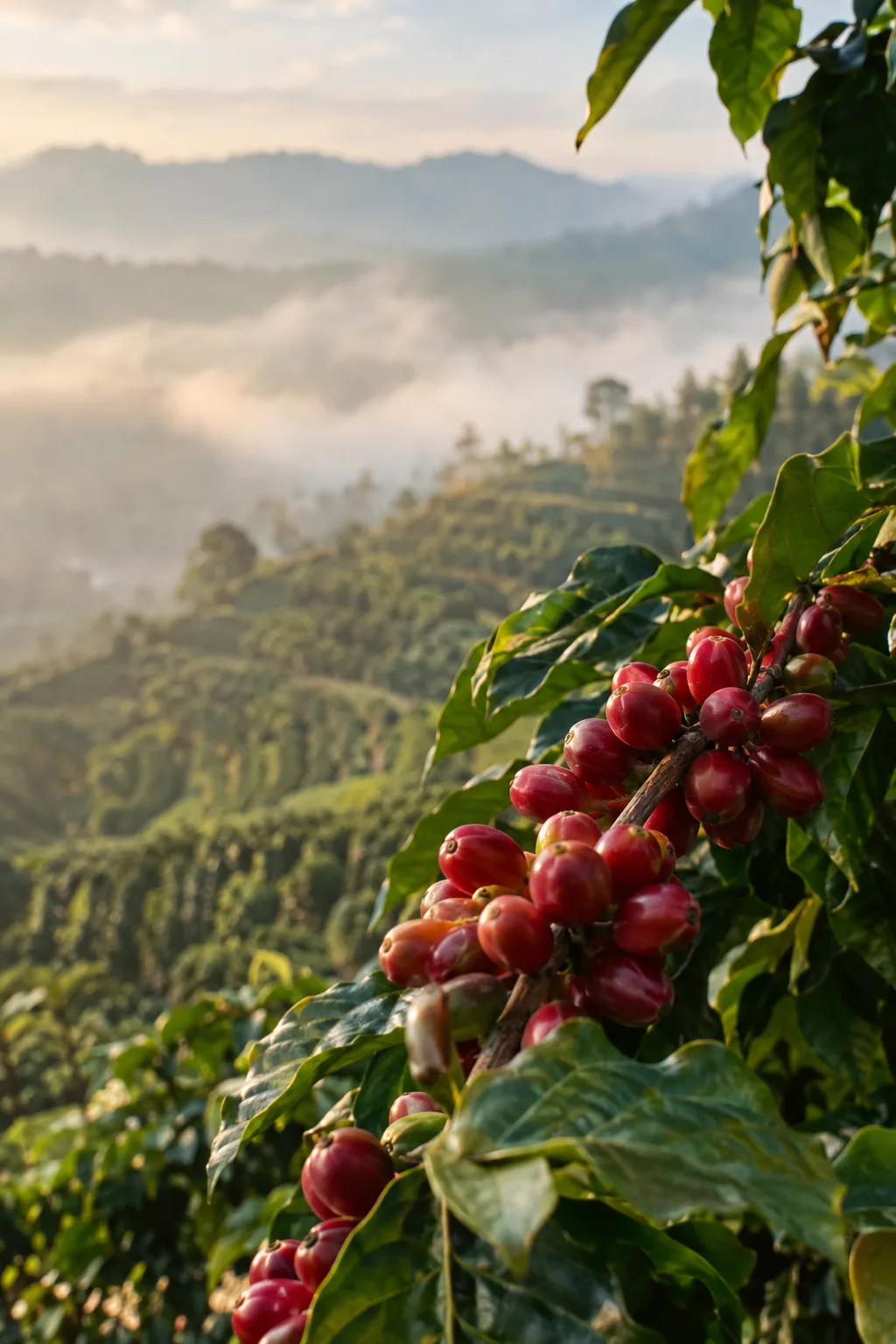
Heat stresses the trees and can lower yields. Rain that arrives at the wrong time can mess up flowering, which means fewer cherries to pick. Long dry spells can shrink the beans that do grow.
Warmer weather also helps pests and disease spread. Coffee leaf rust is a fungus that damages leaves and weakens trees. The coffee berry borer is a beetle that tunnels into the cherries. Farmers spend more on treatment and still lose part of the crop.
A higher price on the shelf does not always mean a higher payment to the farmer. The price you pay also covers shipping, roasting, packaging, and retail. Buying from sellers who share where their coffee comes from is the best way to know more.
Farmers move uphill, and wildlife feels it
Many farmers are planting at higher elevations where it is cooler. That works for a while, but mountains only have so much usable land. The higher you go, the less room there is.
New coffee plots often replace forest. Many coffee regions overlap with areas rich in birds, mammals, and plants. Clearing that land removes the habitat those animals need.
When coffee moves uphill, the forest is often what gets in the way.
It can go the other way too. Coffee grown under a canopy of native trees gives birds and insects a place to live. That is a big reason farm practices matter as much as the origin on the bag.
What is driving the cost
| Pressure | What happens on the farm | Effect on price |
|---|---|---|
| Drought and heat | Lower yields and smaller beans | Less supply, higher prices |
| Frost | Trees damaged or killed | Short harvests and slow recovery |
| Pests and disease | Crop loss and treatment costs | Higher cost per pound |
| Shipping and fuel | Higher costs moving beans to ports and roasters | Added to the final price |
| Labor and farm supplies | Costs to pick, prune, and fertilize | Added to the final price |
What farmers are doing about it
Farmers are adapting, and most of it takes money. They plant shade trees to cool the plots and hold moisture. They replace old trees with varieties that handle heat or disease better. They also improve irrigation and soil care.
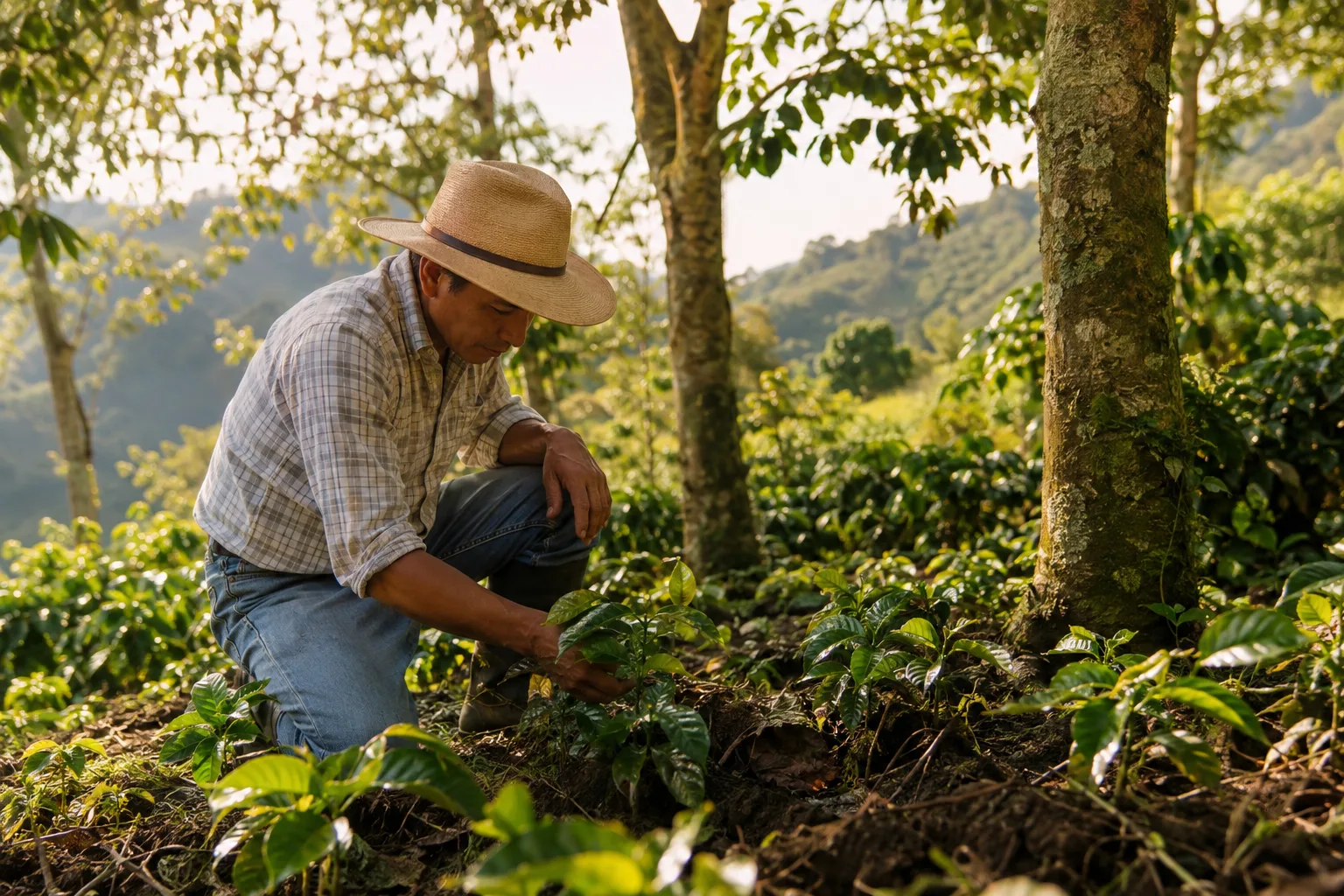
A new coffee tree takes several years to produce a real harvest. A farmer who replants today is waiting a long time to see it pay off. Specialty buyers who pay fair prices make that wait more realistic.
What you can do as a buyer
You can't fix climate change with a coffee order. But your buying choices do add up, and a few habits help both your budget and the farms.
- Buy whole bean and use it fresh. Stale coffee tends to get dumped, and that wastes beans.
- Weigh your dose. Guessing usually means using more coffee than you need.
- Look for certifications. Our Organic and Fair Trade Certified coffees are a good place to start.
- Try coffees from higher-altitude regions. The Condor is an organic, medium-light roast from the Sierra Nevada region of Colombia.
Use a kitchen scale for both beans and water. A steady ratio gives you a steady cup and stops you from burning through a bag too fast.
A fair look at what comes next
Nobody can promise coffee prices will stay flat. Weather, shipping, and farm costs will keep moving them. What we can do is buy carefully, pay for quality, and support farms that protect the land around them. A portion of every Diving Moose Coffee purchase goes to wildlife conservation through our WWF partnership.
If you want a place to start, browse our coffees from Central America, South America, and Hawaii and pick one bag to brew this week.