
Light vs Medium vs Dark Roast: How to Pick the Right Coffee
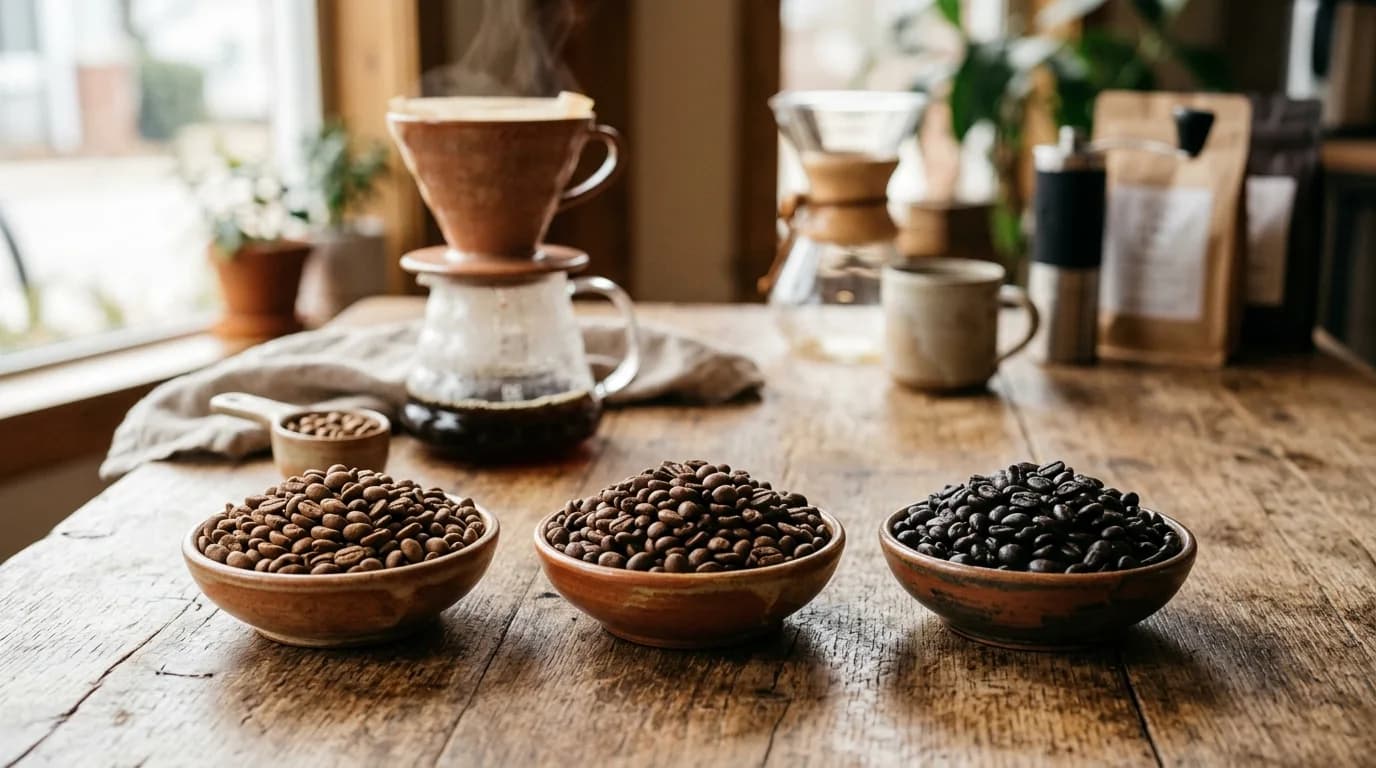
Roast level is one of the first things people notice on a bag of coffee, but it's also one of the most misunderstood. Choosing the right roast isn't about which one sounds boldest. It's about matching what's in the cup to what you actually want to drink.
What roasting actually does
Green coffee beans have almost none of the flavor you'd recognize in a cup. Roasting applies heat over time, triggering chemical changes that create aroma, color, and taste. The longer and hotter the roast, the more the bean's original character gives way to roasted flavors.
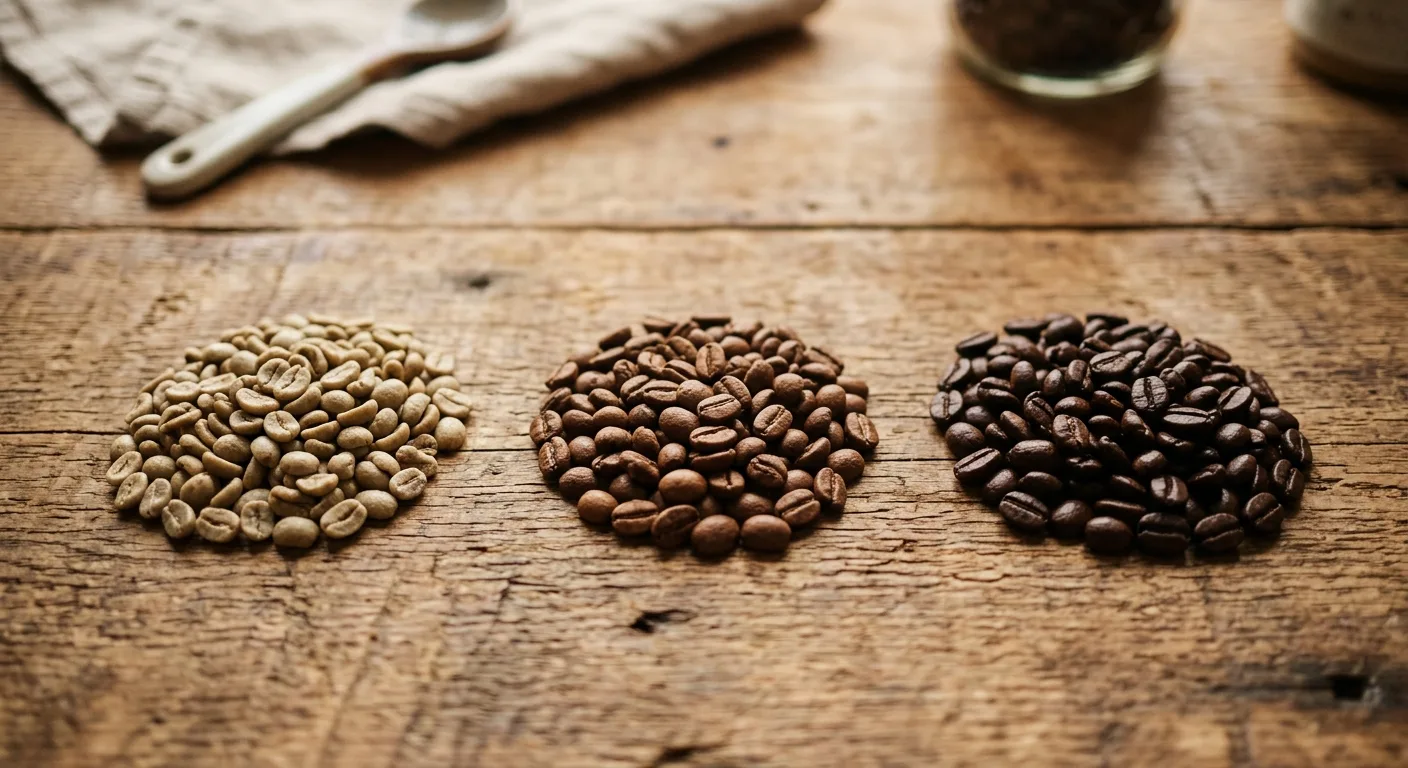
Roasters control this process carefully, stopping at different points to land specific flavor profiles. Those stopping points are what we call light, medium, and dark roast.
Light roast
Light roasts are pulled from heat early. The beans stay lighter in color, oils don't appear on the surface, and the cup retains a lot of what makes that coffee unique, its origin, its soil, its altitude. You'll often get brighter acidity, floral or fruity notes, and a lighter body.
Light roast works especially well with pour-over and drip brewing. The slower extraction pulls out the more delicate flavors that high heat from espresso can flatten.
People who enjoy tea, citrus, or wine-like complexity often take well to light roasts. They're also a good starting point if you want to taste where a coffee actually comes from. Our Toucan, a Costa Rica Tarrazú morning medium-light roast, is a good example of this style, with bright character and a clean finish.
Medium roast
Medium roasts are the most commonly sold roast level, and for good reason. They tend to be balanced, with moderate acidity, medium body, and a mix of origin flavor and roast character. The bean's original notes are still present but softer.
If you make coffee for multiple people with different preferences, a medium roast is usually the safest choice. It suits drip machines, French press, and pour-over equally well.
A medium roast doesn't mean a boring roast. It means a balanced one.
Our Red Panda House Blend is a medium-light roast that's smooth and approachable without being flat. It's one of our most popular blends for everyday drinking. If you want to sample a few roast levels before committing, the 4-Count Most Popular Sample Pack is a practical way to start.
Dark roast
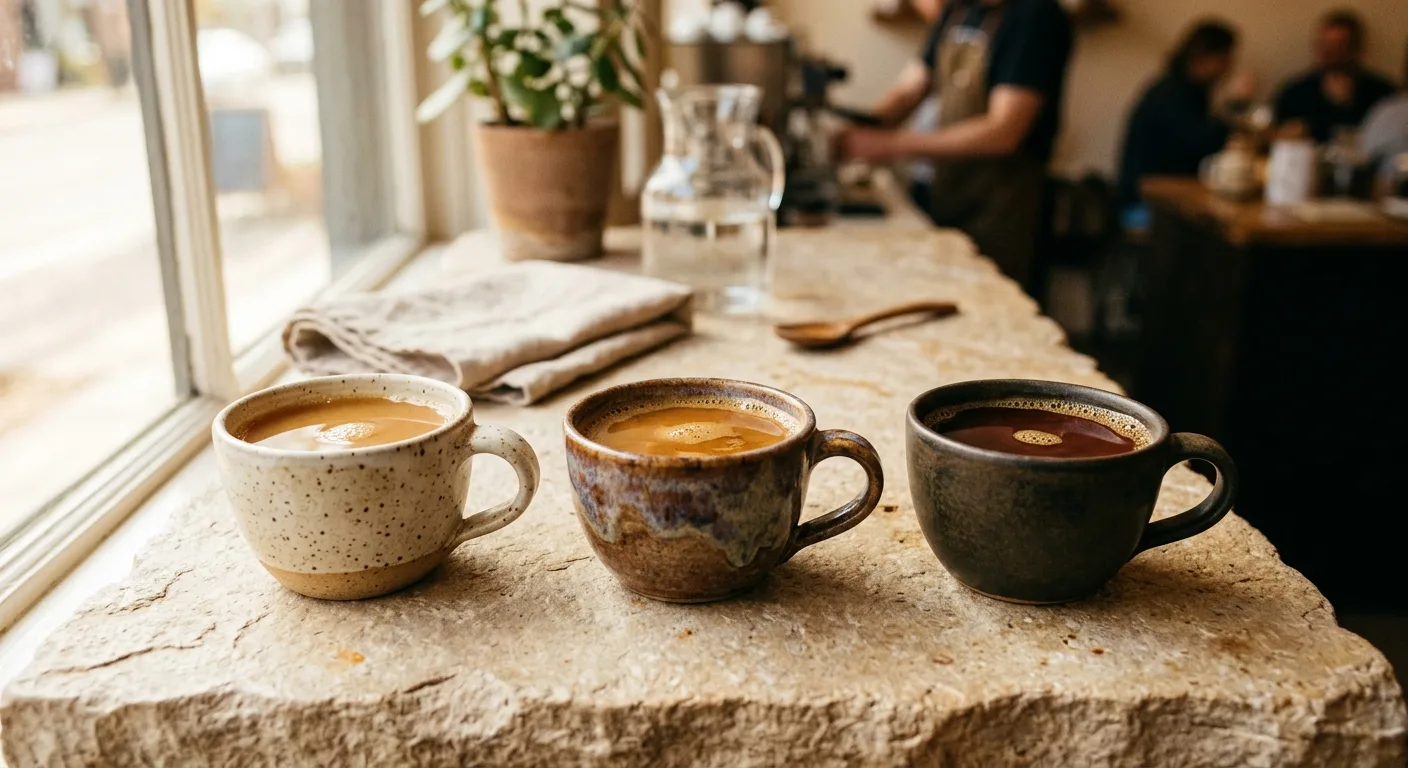
Dark roasts go further into the roasting process. The beans turn deep brown, oils come to the surface, and the original origin character mostly gives way to roasted, bitter, and sometimes smoky notes. Body tends to be heavier and acidity drops significantly.
Dark roast is often the default in espresso drinks and cold brew, where the concentrated or diluted format benefits from a fuller, bolder base. It's also a good fit if you add milk or cream, since those flavors hold up better against dairy.
A common myth is that dark roast has more caffeine. In reality, caffeine changes very little across roast levels. By weight, light roast coffee actually has slightly more caffeine because it's denser. By volume, the difference is minimal either way.
Our Black Leopard Specialty Espresso Blend is a four-bean dark roast built specifically for espresso drinks. It pulls a rich, full shot without going harsh.
How brewing method factors in
Roast level and brew method are connected. A mismatch between the two can make even a well-sourced coffee taste off.
| Brew method | Roast that tends to work well |
|---|---|
| Pour-over | Light to medium |
| Drip machine | Medium |
| French press | Medium to dark |
| Espresso | Medium-dark to dark |
| Cold brew | Medium-dark to dark |
| AeroPress | Any, depending on recipe |
These are general guidelines, not hard rules. Plenty of people pull excellent espresso from a medium roast, and some light roast cold brews are exceptional. Start with these pairings and adjust from there.
What about single origin vs blends?
Single origin coffees are sourced from one specific place, sometimes one farm. They tend to reward lighter roasting because there's a distinct flavor profile worth preserving. Blends are designed to balance multiple beans, and often hold up well across roast levels.
If you're curious about single origin options at different roast levels, our Georgia Roasted Single Origin collection covers a range worth exploring.
How to actually choose
Start with what you already like. If you drink your coffee black, try a light or medium roast where the flavor complexity will be more noticeable. If you drink it with milk or sugar, a medium-dark or dark roast will give you more presence in the cup.
- Like fruity or floral notes: start with light roast
- Want balance without strong acidity: try medium roast
- Prefer bold, rich, low-acid coffee: go dark
- Not sure yet: grab a sample pack and compare side by side
The best approach is to try more than one and pay attention to what you notice. Our 4-Count Most Popular Sample Pack includes a mix of roast levels so you can taste the difference in your own cup, with your own setup, without committing to a full bag of something unfamiliar.