
Best Small-Batch Coffee Roasters in Georgia (2026)
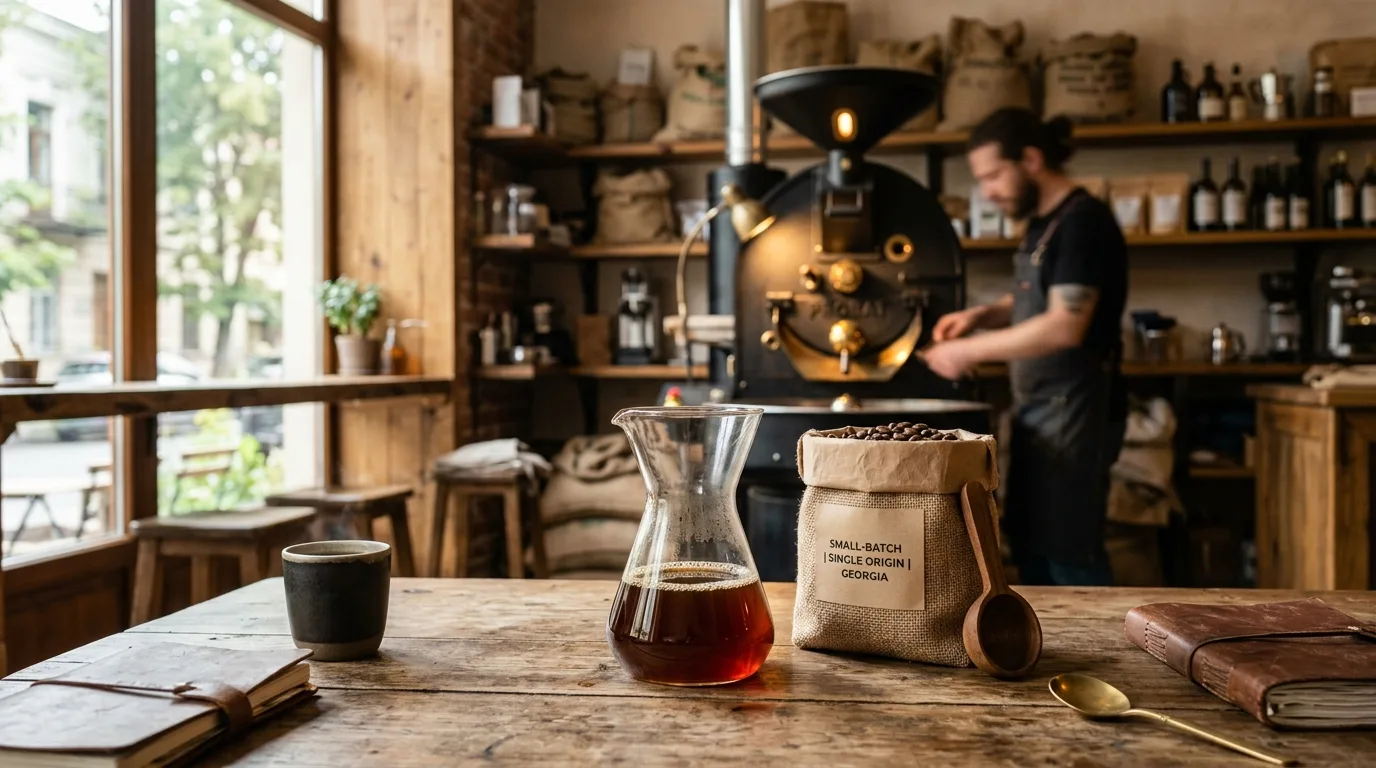
Georgia has quietly built a strong specialty coffee scene. From Atlanta neighborhoods to smaller towns, a handful of roasters are doing serious work with single-origin beans and thoughtful blends. If you want to know who is worth ordering from this year, here is a straightforward look at the state of small-batch roasting in Georgia.
What makes a roaster worth your attention
Not every roaster that calls itself "small-batch" actually operates that way. The ones worth following tend to share a few things in common. They source traceable beans, roast frequently so the coffee ships fresh, and they can tell you something real about where the coffee came from.
Roast date matters more than most people realize. Coffee is best in the two to four weeks after roasting. A bag sitting in a warehouse for months loses a lot of what made the green coffee worth buying in the first place.
Diving Moose Coffee
Based in Georgia. Ships nationwide. Diving Moose Coffee roasts 100% Arabica specialty grade coffee in small batches and donates a portion of every sale to wildlife conservation through a WWF partnership. The lineup covers a wide range of origins, from Ethiopian single origins to Indonesian naturals to Central American washed coffees.
A few standouts worth trying. The Nyala is a single-origin Ethiopia Sidamo organic with berry and floral notes that holds up well in a pour-over. The Condor is a clean, medium-light Colombian that works well as an everyday cup. And the Jimothy Roast, sourced from Flores Bajawa in Indonesia, is a medium-dark organic with a smooth, earthy character that is easy to drink black.
If you want to try a few things before committing, the 4-Count Most Popular Sample Pack is a practical way to start. All coffees are available through the Georgia Roasted Single Origin collection.
Roast date matters more than most people realize. Coffee is best in the two to four weeks after roasting.
Perc Coffee
Based in Savannah, Georgia. Perc has been roasting in Savannah since 2010 and is one of the more established names in the state. They focus on washed and natural process coffees from Africa and Latin America. Their Savannah cafes double as a retail and wholesale operation, and they ship nationally. The roasting is consistent and the sourcing is transparent.
Batdorf and Bronson
Roasts in Georgia and Washington State. Batdorf and Bronson have a long history in specialty coffee and operate a Dancing Goats location in Atlanta. They emphasize direct trade relationships and have a solid rotating single-origin lineup. Their approach is methodical, and the consistency across roast levels is strong.
Brash Coffee
Based in Atlanta. Brash is a smaller Atlanta roaster that puts a premium on light roasts and competition-level sourcing. They work with a tight selection of lots and rotate frequently. If you enjoy high-clarity, fruit-forward coffees, they are worth exploring. Their retail presence is limited but their online shop ships within the state.
How Georgia roasters compare on key factors
| Roaster | Location | Roast style | Organic options | Ships nationally | Conservation focus |
|---|---|---|---|---|---|
| Diving Moose Coffee | Georgia | Light to dark | Yes | Yes | Yes, WWF partner |
| Perc Coffee | Savannah, GA | Light to medium | Some | Yes | No |
| Batdorf and Bronson | Atlanta, GA | Light to dark | Some | Yes | No |
| Brash Coffee | Atlanta, GA | Light focused | Limited | Limited | No |
When ordering online from any roaster, check the roast date before you buy. If a retailer does not publish it, that is worth noting. Fresh coffee should ship within days of roasting.
What to look for when buying Georgia-roasted coffee
- Roast date on the bag. Not a best-by date. The actual roast date.
- Origin information. Country and region at minimum. Farm or cooperative is better.
- Process disclosure. Washed, natural, and honey-processed coffees taste very different. Knowing which you are buying helps you brew it better.
- Certifications that match your values. Organic, fair trade, and direct trade all mean different things. Look up what each one actually requires.
- Freshness on arrival. Good roasters ship fast. If your bag arrives stale, that is a logistics problem worth flagging.
Organic certification covers how the coffee was grown, not how it was roasted. A certified organic label on the bag means the farm avoided synthetic pesticides and fertilizers. It says nothing about roast quality.
Where to start
If you want a Georgia-roasted coffee with clear sourcing, genuine organic options, and a purchase that contributes to something beyond the cup, Diving Moose Coffee is a solid place to start. The Most Popular Roasts collection gives you a quick overview of what sells well and why. If you already know you prefer single origins, head straight to the single-origin lineup and filter by region.