
Single-Origin vs. Blended Coffee Beans: What's the Difference and Which Should You Buy?
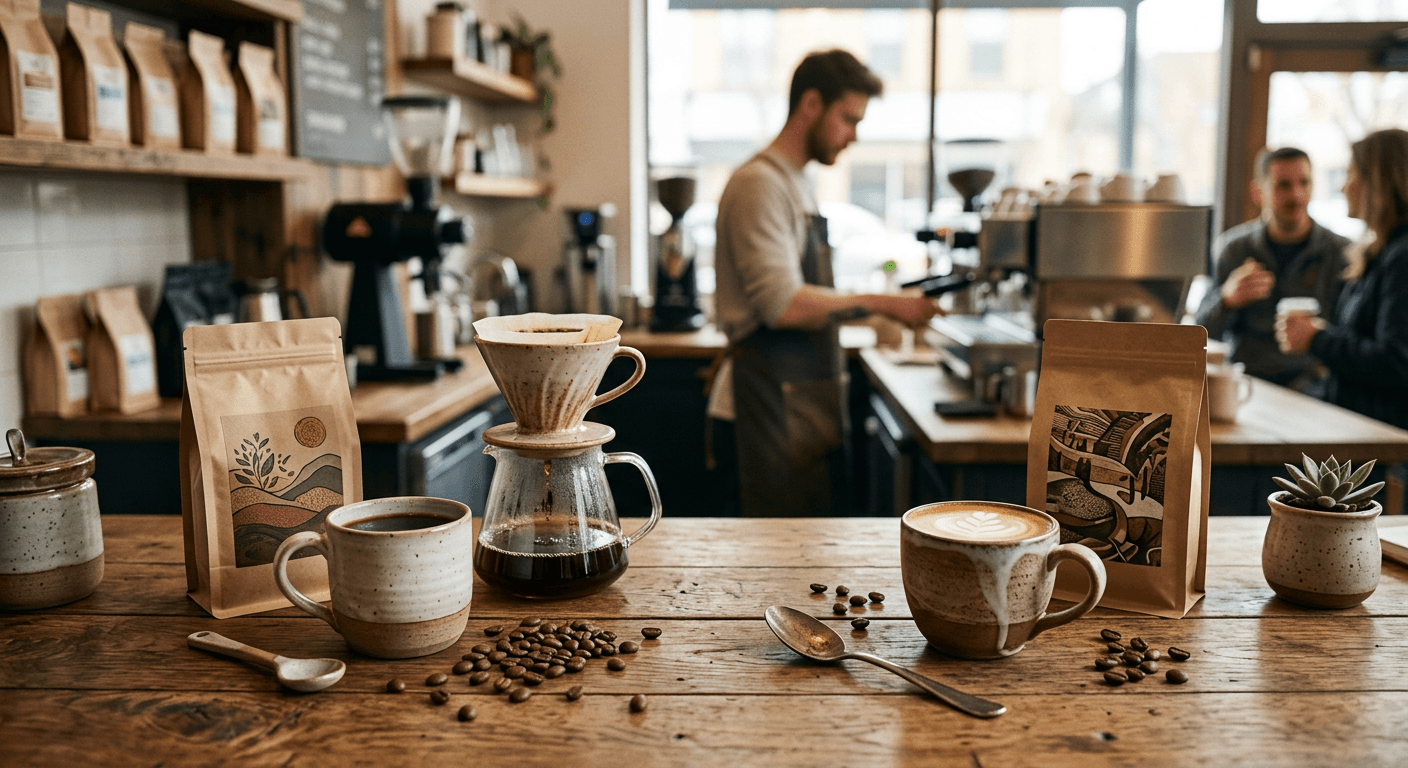
Walk into any specialty coffee shop and you'll see both single-origin and blended coffees on the menu. Maybe you've picked one at random, or maybe you always default to whatever sounds familiar. Either way, understanding the difference can genuinely change how you shop for coffee.
This isn't about one being better than the other. Both have real strengths. It comes down to what you're looking for in the cup.
What Is Single-Origin Coffee?
Single-origin coffee comes from one specific place. That might be a single country, a specific region within that country, or even one farm or cooperative. The idea is traceability. You know exactly where the beans grew.
When you buy an Ethiopian Yirgacheffe or a Colombian Huila, you're getting coffee that reflects that particular land, climate, and farming practice. Coffee people often call this terroir, borrowing the term from wine. The soil, altitude, rainfall, and even the specific variety of coffee plant all shape the final flavor.
Single-origin coffees tend to have more distinct, sometimes unusual flavor profiles. You might notice fruit, floral notes, or bright acidity that you wouldn't find in a typical breakfast blend. These characteristics are part of the appeal.
What Is a Coffee Blend?
A coffee blend combines beans from two or more origins. A roaster might mix a Brazilian bean with an Ethiopian and a Colombian to build a specific flavor profile that none of those beans could achieve on their own.
Blending is a skill. A good roaster thinks carefully about how different beans interact, how they behave during roasting, and how they'll taste brewed together. The goal is usually balance and consistency. Blends are often designed to taste the same cup after cup, regardless of what season the beans were harvested in.
Most espresso drinks at cafes are made with blends. The rich, full-bodied flavor that works well with milk comes from careful blending rather than a single origin.
How They Taste Differently
This is where things get interesting. Single-origin and blended coffees offer genuinely different drinking experiences.
Single-origin coffees tend to be expressive and specific. An Ethiopian natural process might taste like blueberries and dark chocolate. A Kenyan AA might have a bright, almost winey acidity. These are coffees worth slowing down for. They reward attention.
Blended coffees tend to be smoother and more predictable. They're often roasted to bring out caramel sweetness, chocolate depth, and a full body that works across different brewing methods. If you want coffee that's easy to drink every morning without much fuss, a well-made blend often delivers that.
Neither approach is a shortcut or a compromise. They just serve different purposes.
Which Is Better for Your Brewing Method?
Your brewing method matters more than most people realize when choosing between single-origin and blended beans.
- Espresso often works better with blends. The high pressure and short extraction time can amplify harsh notes in single-origin beans, making them taste sour or thin.
- Pour-over and filter brewing are great for single-origin. The slower, gentler extraction lets the nuanced flavors come through clearly.
- French press works well with both. The immersion style is forgiving and produces a full-bodied cup either way.
- Cold brew tends to suit medium or dark blends, since the long steep softens acidity and amplifies sweetness and chocolate notes.
That said, these aren't strict rules. Plenty of roasters release single-origin espressos that are outstanding. And a well-crafted blend can shine in a pour-over. Start with these guidelines and adjust based on your own taste.
What About Price?
Single-origin coffees, especially those from specific farms or small cooperatives, are often priced higher. There are good reasons for this. The supply is limited, the traceability requires more work throughout the supply chain, and the farmers growing these beans are typically paid more for their crop.
Blends can be more affordable because roasters have more flexibility. If one origin becomes expensive or unavailable, they can adjust the recipe. That consistency in supply often keeps prices steadier.
If budget is a concern, a quality blend is a smart choice. You're not sacrificing quality by choosing a blend over a single-origin. You're just getting a different kind of quality.
What About Sustainability?
Sustainability looks a little different depending on which type you buy. With single-origin, you can often trace exactly where the coffee came from and understand the farming practices behind it. That transparency matters if you care about how your coffee was grown and who was paid to grow it.
Blends can also be ethically sourced, but the traceability is harder to confirm unless the roaster is open about their supply chain. When you buy from a roaster who takes sourcing seriously, either option can support farmers and farming communities fairly.
At Diving Moose Coffee, every bag we sell contributes to wildlife conservation through our partnership with WWF. Sustainability isn't just about how the coffee was farmed. It's about what happens after the sale too.
So Which Should You Buy?
There's no single right answer, but here's a practical way to think about it.
- Buy single-origin if you're curious about where your coffee comes from, enjoy exploring different flavors, and usually brew with a filter method like pour-over or Chemex.
- Buy a blend if you want consistency, prefer a smooth balanced cup, pull espresso shots at home, or just want reliable morning coffee without having to think too much about it.
- Buy both and compare. Tasting them side by side with the same brew method is genuinely one of the most useful things you can do to understand your own coffee preferences.
Most coffee lovers end up with both in their rotation. A trusted blend for weekday mornings and a single-origin for the weekend when there's more time to pay attention.
A Final Thought
Coffee is pretty simple at its core. Beans, water, heat. But the choices you make along the way, from origin to roast to brew method, all shape what ends up in your cup. Understanding the difference between single-origin and blended beans is one of the most useful things you can know as a coffee drinker.
Start with what sounds good to you. Taste it. Then try something different. That's really all there is to it.