
What Is Coffee Processing? Natural vs. Washed vs. Honey Process Explained
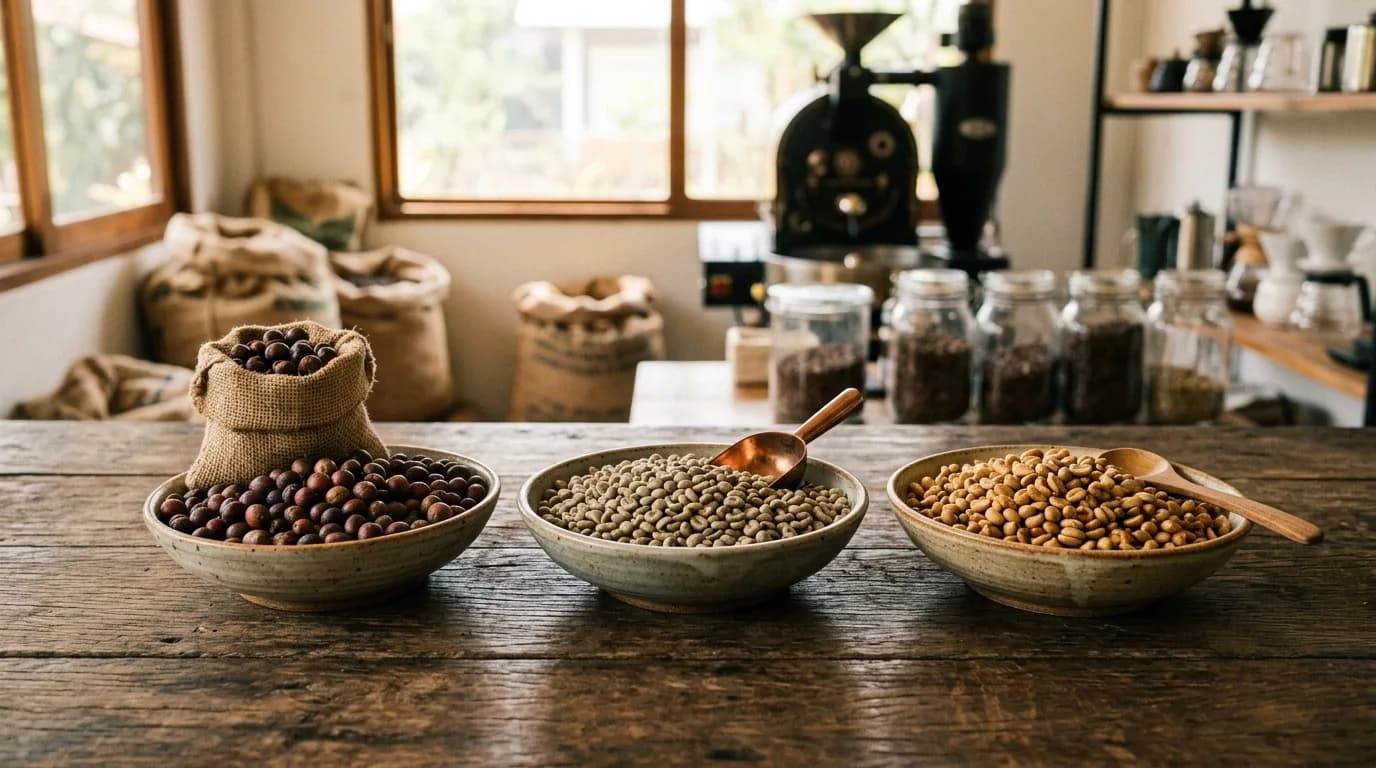
The way a coffee cherry is processed after harvest shapes almost everything about what ends up in your cup. Roast level gets a lot of attention, but processing is just as important, and most coffee drinkers have never heard it explained plainly.
Why processing matters
A coffee bean starts as the seed inside a fruit, called a cherry. That cherry has several layers: skin, pulp, mucilage (a sticky layer), parchment, and then the seed itself. How long those layers stay in contact with the seed during drying changes the flavor of the final coffee. It is one of the most influential variables in specialty coffee.
The natural process
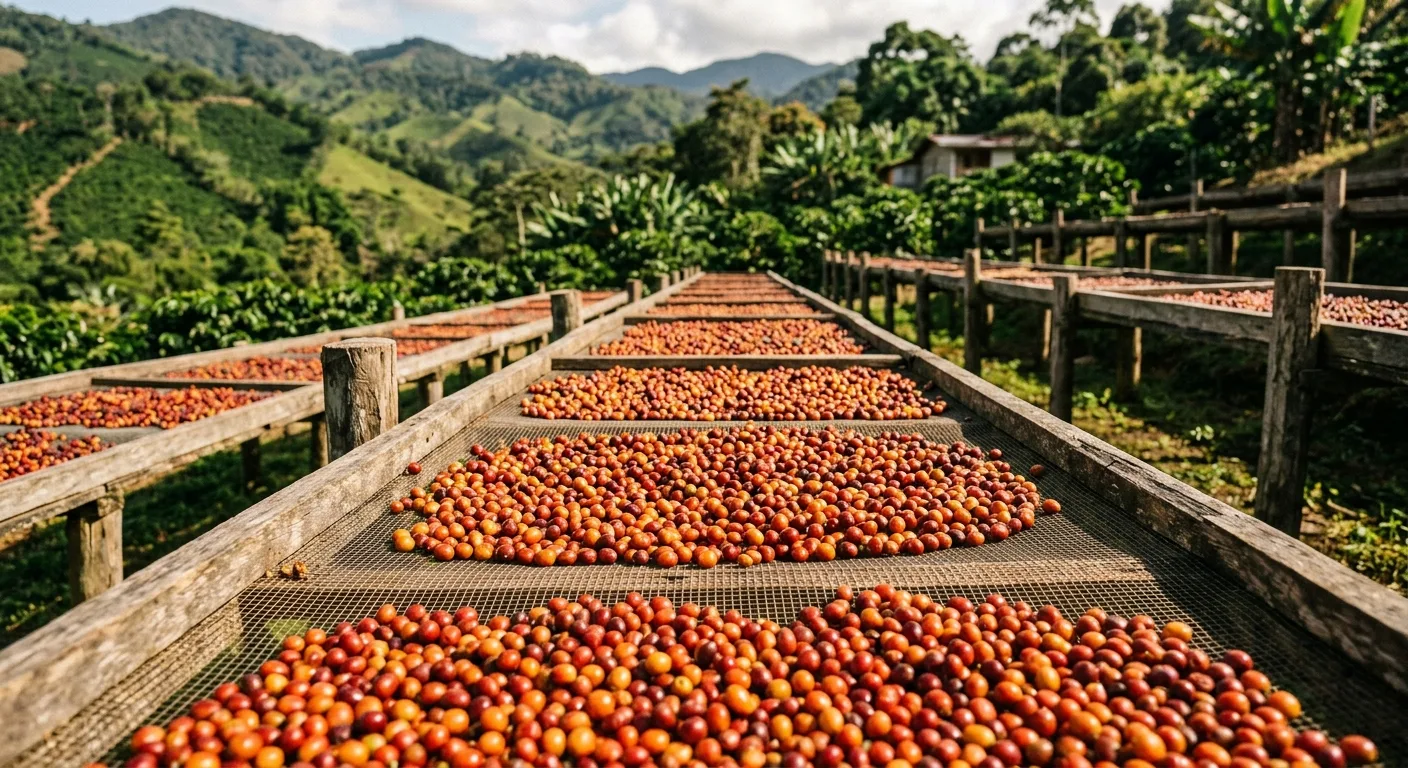
In natural processing (also called dry processing), the whole cherry is dried with the fruit still intact. The beans dry inside the fruit, sometimes for several weeks, absorbing sugars and fermentation compounds from the surrounding pulp.
This tends to produce coffees with a heavier body, lower acidity, and pronounced fruit flavors. You might taste blueberry, strawberry, or even wine-like notes. Ethiopia and Brazil are two of the most well-known regions for natural-processed coffees.
If you enjoy a full-bodied, fruity cup with low brightness, start with a natural-processed coffee from Ethiopia or Brazil. Our The Nyala, Ethiopia Sidamo Organic and The Otter, Brazil Mogiana are both good examples of what single-origin naturals can do.
The tradeoff is consistency. Because the fruit is left on, fermentation can go wrong if temperature or humidity is not controlled carefully. A poorly managed natural can taste muddy or over-fermented. A well-managed one is extraordinary.
The washed process
Washed processing (also called wet processing) removes the fruit before drying. The cherries are depulped right after harvest, and the beans are fermented in water tanks to break down the remaining mucilage, then washed clean and dried on raised beds or patios.
Because no fruit remains on the bean during drying, what you taste in a washed coffee is mostly the seed itself, shaped by terroir and variety. Washed coffees are typically cleaner, brighter, and more acidic. You get clarity over complexity in the traditional sense, with floral, citrus, and tea-like notes.
Washed coffees let the bean speak. Natural coffees let the fruit speak. Honey sits somewhere in between.
Ethiopia's Yirgacheffe region and Central American countries like Guatemala and Costa Rica are famous for high-quality washed coffees. Our The Kinkajou, Guatemala Huehuetenango is washed-processed and shows exactly what that clean, bright profile looks like in the cup.
The honey process
Honey processing is a middle path. The skin is removed, but some or all of the mucilage is left on the bean during drying. The name comes from the sticky texture of the mucilage, not from any added sweetener.
The amount of mucilage left on determines where the coffee falls on the flavor spectrum. Processors use color labels to describe this.
| Honey Type | Mucilage Left On | Flavor Profile |
|---|---|---|
| Yellow Honey | Very little | Closer to washed, mild sweetness, clean |
| Red Honey | Moderate | More sweetness, some fruit, medium body |
| Black Honey | Almost all | Very fruity, heavy body, closer to natural |
Costa Rica pioneered honey processing, and it remains one of the best places to find well-executed examples. Honey coffees tend to appeal to people who find naturals too funky and washed coffees too sharp.
How the same bean can taste completely different
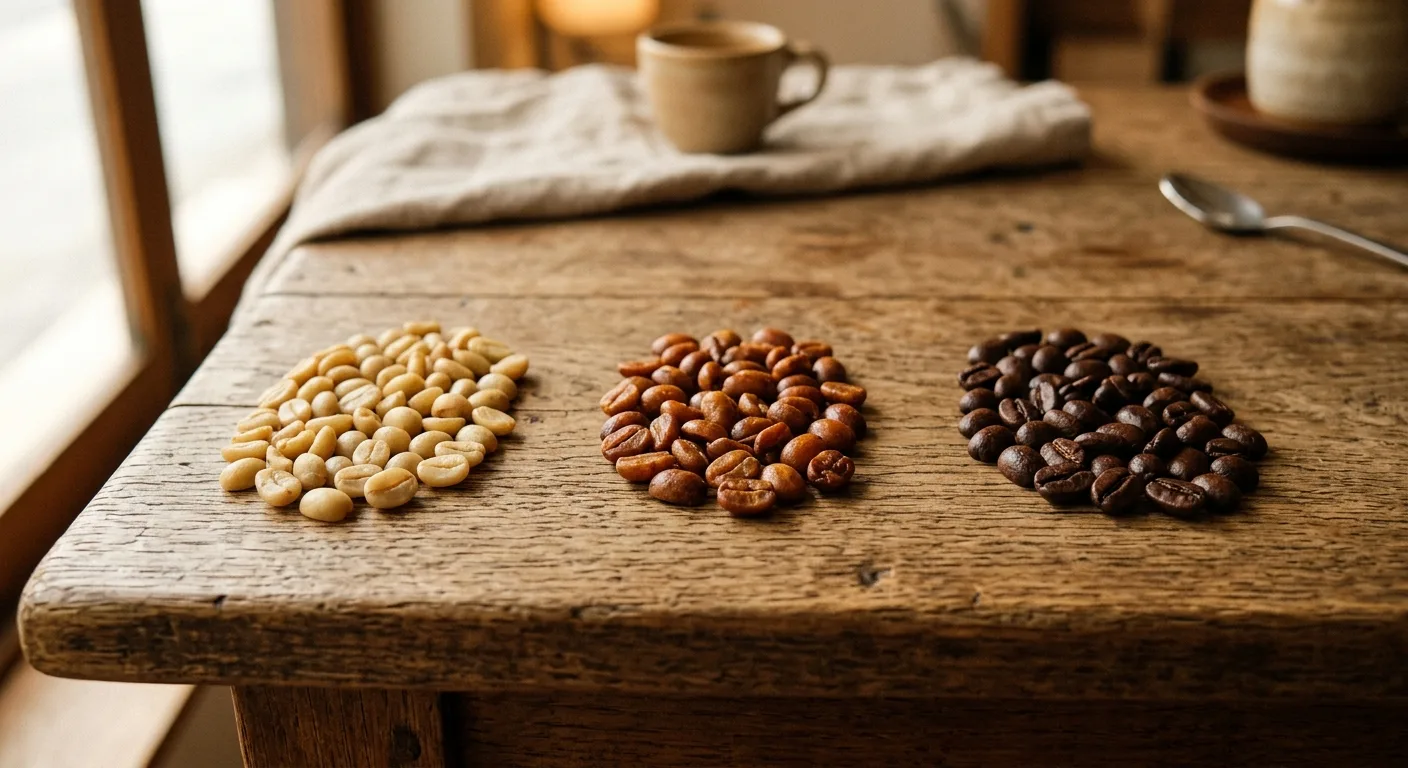
Farmers and processors sometimes run the same variety through different methods as an experiment. The results can be dramatic. A washed version might taste like lemon and jasmine. The same coffee processed as a natural might taste like cherry and chocolate. Same farm, same harvest, wildly different cups.
This is why reading the processing method on a bag is worth the effort. It gives you a real preview of what to expect, more reliable than vague tasting notes alone.
Processing method is always listed on Diving Moose Coffee product pages. If you want to explore different methods side by side, the Single Origin collection is a good place to start. Each coffee comes from one farm or region, so the processing method has a stronger effect on the flavor than it would in a blend.
What about anaerobic and carbonic maceration?
These are newer experimental methods that have gained traction in specialty coffee over the last decade. Anaerobic fermentation seals the beans in an oxygen-free environment before or during processing. Carbonic maceration, borrowed from wine, uses CO2 to control fermentation at the cellular level.
Both methods can produce intense, unusual flavors that polarize coffee drinkers. Think tropical fruit, funky florals, or candy-like sweetness. They are interesting to try once you have a sense of how the three core methods taste.
Matching a processing method to your taste
Here is a simple way to think about it. If you like wine, dark chocolate, or fruit-forward flavors, start with a natural. If you prefer tea, bright citrus, or a clean and precise cup, go washed. If you want something in between, with sweetness and body but not too funky, try a honey-processed coffee.
Our most popular roasts include coffees processed across all three methods, so you can try them without committing to a large bag. Check the product page for each one and look for the processing method in the description. That single detail will tell you more about the cup than almost anything else.